The Fascinating History of the White House Building: A Journey Through Time
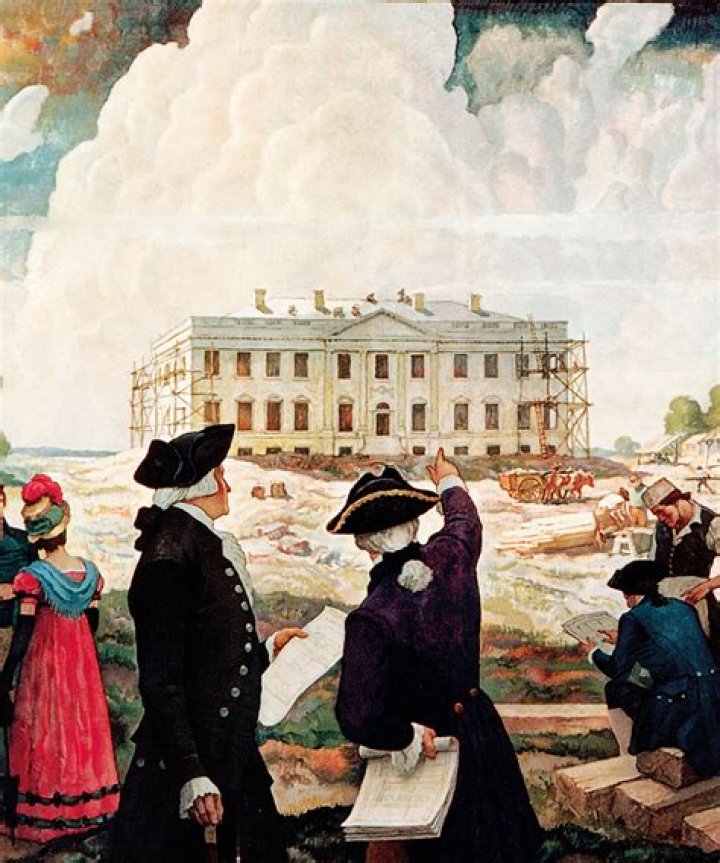
The White House, one of the most iconic symbols of American democracy, has a rich history that spans over two centuries. As the official residence and workplace of the President of the United States, this historic building is not only a symbol of power but also a testament to the nation's growth and evolution. Understanding the history of the White House building offers valuable insights into America's past and its enduring legacy.
Constructed during the late 18th century, the White House has witnessed countless historical events and hosted numerous influential figures. Its architecture, design, and purpose have evolved over time, reflecting the changing needs of the nation and its leaders. This article delves into the comprehensive history of the White House, exploring its origins, construction, renovations, and cultural significance.
From its humble beginnings as a presidential residence to its current status as a global symbol of democracy, the White House continues to inspire awe and admiration. By examining its history, we gain a deeper appreciation for the role it plays in shaping America's identity and future. Let's embark on this journey through time and explore the fascinating story of this iconic building.
Origins and Early Plans
The idea of constructing a presidential residence was conceived shortly after the United States gained independence. In 1790, Congress passed the Residence Act, which designated a site along the Potomac River as the location for the nation's capital. This decision led to the establishment of Washington, D.C., and the planning of the White House as its centerpiece.
President George Washington played a pivotal role in selecting the site and overseeing the early planning stages. Although he never lived in the White House, his vision and leadership laid the foundation for this historic building. Irish-born architect James Hoban won a competition to design the structure, drawing inspiration from European neoclassical architecture.
Why Washington, D.C.?
- Strategically located between northern and southern states.
- Intended to promote unity and balance within the newly formed nation.
- Chosen for its accessibility and proximity to key political centers.
Washington's decision to locate the capital in this area was influenced by political compromises and the desire to create a neutral space for governance. This decision set the stage for the White House's construction and its enduring role in American history.
Construction of the White House
The construction of the White House began in 1792 and took eight years to complete. Skilled laborers, including enslaved African Americans, played a crucial role in building this monumental structure. The use of Aquia Creek sandstone for the exterior walls gave the building its distinctive white appearance, which was later enhanced with whitewash to protect it from the elements.
President John Adams and his wife Abigail were the first residents of the White House, moving in before the construction was fully completed. Despite its unfinished state, the building quickly became the center of political and social life in the nation's capital.
Key Features of the Original Design
- Neoclassical architecture inspired by Irish and British designs.
- Two stories with a basement level, designed to accommodate the president's family and staff.
- A grand portico and central hallway to create an imposing entrance.
James Hoban's design emphasized simplicity, elegance, and functionality, setting a standard for future presidential residences. The building's layout and features were carefully planned to reflect the ideals of democracy and leadership.
The Burning of the White House
One of the darkest moments in the White House's history occurred during the War of 1812. In 1814, British forces invaded Washington, D.C., and set fire to several government buildings, including the White House. This event marked a turning point in the building's history and led to significant renovations and restorations.
President James Madison and his wife Dolley fled the White House just before the attack, salvaging important documents and artifacts, including Gilbert Stuart's portrait of George Washington. The rebuilding process, overseen by James Hoban, took several years and restored the building to its former glory.
Impact of the Burning
- Symbolized the resilience and determination of the American people.
- Highlighted the importance of protecting national landmarks and cultural heritage.
- Set a precedent for future renovations and preservation efforts.
The reconstruction of the White House reinforced its status as a symbol of national strength and unity, inspiring future generations to preserve its legacy.
Major Renovations and Additions
Over the years, the White House underwent numerous renovations and additions to accommodate changing needs and technologies. Each administration contributed to the building's evolution, reflecting the evolving role of the presidency and the nation's growth.
Notable Renovations
- 1902 renovation under President Theodore Roosevelt, which added the West Wing and expanded office space.
- 1948-1952 renovation under President Harry Truman, which involved a complete structural overhaul to address safety concerns.
- Modern updates during the 20th and 21st centuries, incorporating advanced technology and energy-efficient systems.
These renovations not only improved the building's functionality but also ensured its preservation for future generations. The careful balance between modernization and historical preservation has been a hallmark of the White House's evolution.
Architectural Design and Features
The White House's architecture is a testament to its enduring legacy and historical significance. Its neoclassical design reflects the ideals of democracy and leadership, while its features have evolved to meet the needs of modern presidents.
Key Architectural Features
- The East and West Wings, added to provide additional office space and public access.
- The State Floor, used for formal events and ceremonies.
- The Residence, a private area for the president and their family.
Each room in the White House serves a specific purpose, from the Oval Office to the Rose Garden. The building's design and layout have been carefully planned to create a harmonious blend of functionality and elegance.
Presidential Residences and Inhabitants
Throughout its history, the White House has been home to 46 U.S. presidents and their families. Each administration has left its mark on the building, contributing to its rich tapestry of stories and traditions.
Some notable presidential residents include:
- Thomas Jefferson, who expanded the building's library and introduced French cuisine.
- Abraham Lincoln, who used the building as a wartime command center during the Civil War.
- Franklin D. Roosevelt, who installed the first indoor swimming pool for therapeutic purposes.
The personal touches added by each president and their families have made the White House a unique and dynamic space, reflecting the diverse experiences of those who have lived there.
Cultural and Symbolic Significance
The White House is more than just a building; it is a symbol of American democracy and leadership. Its cultural significance extends beyond its role as a presidential residence, serving as a backdrop for countless historical events and cultural milestones.
Symbolism of the White House
- Represents the ideals of democracy, freedom, and equality.
- Serves as a unifying symbol for the American people and the global community.
- Reflects the nation's values and aspirations through its architecture and design.
As a cultural icon, the White House inspires pride and admiration, both domestically and internationally. Its presence in American culture is a testament to its enduring legacy and importance.
Modern Era and Technological Advancements
In the modern era, the White House has embraced technological advancements to enhance its operations and improve public access. From solar panels to advanced security systems, the building has been updated to meet the demands of a rapidly changing world.
Technological Innovations
- Installation of renewable energy sources to reduce the building's carbon footprint.
- Implementation of state-of-the-art security measures to protect the president and staff.
- Use of digital platforms to engage with the public and promote transparency.
These innovations have not only improved the White House's efficiency but also reinforced its role as a leader in sustainable and forward-thinking practices.
Tourism and Public Access
The White House is one of the most visited landmarks in the United States, attracting millions of tourists each year. Public tours offer visitors a glimpse into the building's history and the lives of those who have lived there.
Guided tours highlight key areas such as the East Room, State Dining Room, and Rose Garden, providing insights into the building's architecture and historical significance. Visitors can also explore the White House grounds and participate in special events hosted throughout the year.
Importance of Public Access
- Promotes transparency and engagement between the government and the public.
- Provides educational opportunities for students and history enthusiasts.
- Encourages appreciation for the nation's cultural heritage and democratic values.
By offering public access, the White House strengthens its role as a symbol of democracy and fosters a sense of connection between the American people and their leaders.
The Future of the White House
As the White House continues to evolve, its future remains closely tied to the nation's growth and development. Ongoing preservation efforts ensure that this historic building remains a vital part of America's cultural landscape for generations to come.
Future plans may include further technological advancements, sustainability initiatives, and expanded public access programs. By embracing innovation while preserving its historical integrity, the White House will continue to inspire and educate visitors from around the world.
Conclusion
The history of the White House building is a testament to America's enduring legacy and democratic values. From its origins as a presidential residence to its current status as a global symbol of democracy, the White House has played a crucial role in shaping the nation's identity and future.
We invite you to explore this fascinating history further and share your thoughts in the comments below. For more insights into American history and culture, be sure to check out our other articles and resources. Together, let's celebrate the rich heritage of this iconic building and its place in our shared history.