The Royal Distinction: Understanding the Difference Between a Duke and a Prince
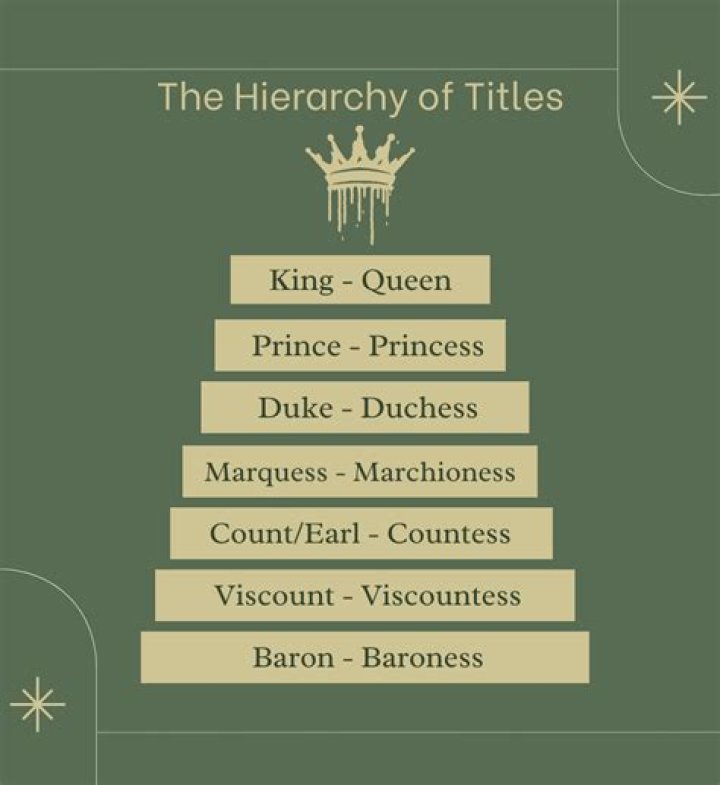
When it comes to royal titles, understanding the hierarchy and distinctions is crucial for appreciating the nuances of aristocratic systems. The terms "duke" and "prince" are often used interchangeably in popular culture, but they hold distinct meanings within the context of nobility. This article aims to clarify the difference between a duke and a prince, providing a comprehensive overview of their roles, origins, and significance in modern society.
Exploring the world of royalty can be fascinating, especially when delving into the intricacies of titles and their implications. While both dukes and princes belong to the upper echelons of nobility, their roles and responsibilities differ significantly. Understanding these differences not only enriches our knowledge of history but also helps us appreciate the complexity of royal traditions.
Whether you're a history enthusiast or simply curious about the nuances of royal titles, this article will provide valuable insights into the distinctions between a duke and a prince. By the end of this piece, you'll have a clearer understanding of how these titles fit into the broader framework of aristocratic systems.
Definition of Duke and Prince
To begin with, let's establish the basic definitions of a duke and a prince. A duke is a high-ranking nobleman in the European aristocracy, typically holding a dukedom or territory. The term "duke" originates from the Latin word "dux," meaning leader or commander. On the other hand, a prince is a male member of a royal family, often the son or grandson of a monarch. The title "prince" signifies royal bloodline and often carries more prestige than that of a duke.
Key Characteristics of a Duke
- A duke is a nobleman who holds a dukedom, which is a large territory or region.
- The title is hereditary and passed down through the male lineage.
- Dukes may have significant political and administrative responsibilities within their territories.
Key Characteristics of a Prince
- A prince is a member of a royal family, often directly related to the reigning monarch.
- The title is not necessarily hereditary but is often conferred based on birthright or marriage.
- Princes may hold ceremonial roles and represent the monarchy in various capacities.
Historical Origins of Titles
The origins of the titles "duke" and "prince" can be traced back to ancient times. The title of duke emerged in the Roman Empire, where "dux" referred to military leaders who commanded legions. Over time, the term evolved to denote territorial rulers in medieval Europe. Meanwhile, the title of prince has its roots in ancient monarchies, where it signified membership in a royal family. Both titles have undergone significant transformations throughout history, adapting to the changing political and social landscapes.
Evolution of the Title "Duke"
- In the Middle Ages, dukes were powerful feudal lords who governed vast territories.
- The title gained prominence during the Renaissance as European monarchies consolidated their power.
- Modern dukes retain ceremonial titles but have limited political influence compared to their historical counterparts.
Evolution of the Title "Prince"
- Historically, princes were seen as direct heirs to the throne, preparing for future leadership roles.
- In some cultures, the title was also conferred on foreign dignitaries as a gesture of goodwill.
- Today, princes often serve as ambassadors for their nations, promoting cultural and diplomatic ties.
Role and Responsibilities of a Duke
As a high-ranking nobleman, a duke holds significant responsibilities within his territory. Historically, dukes were tasked with governing their lands, collecting taxes, and maintaining order. In modern times, their roles are largely ceremonial, focusing on preserving traditions and supporting local communities. Despite the decline in political power, dukes continue to play an important role in maintaining the cultural heritage of their regions.
Modern Duties of a Duke
- Participating in charitable activities and community events.
- Preserving historical landmarks and traditions within their dukedoms.
- Serving as patrons for cultural and educational institutions.
Role and Responsibilities of a Prince
Princes, being members of royal families, have a unique set of responsibilities that reflect their royal status. While their duties vary depending on the country and monarchy, princes often focus on representing their nations on the global stage. They may engage in diplomatic missions, support charitable causes, and promote national interests. Their roles are deeply intertwined with the image and legacy of their respective monarchies.
Key Responsibilities of a Prince
- Acting as a representative of the monarchy in international events.
- Supporting charitable organizations and initiatives.
- Preserving the cultural and historical heritage of their nations.
Key Differences Between a Duke and a Prince
While both dukes and princes hold prestigious titles, several key differences distinguish them. Firstly, the title of duke is associated with territorial governance, whereas a prince's title is tied to royal lineage. Secondly, dukes are part of the nobility, while princes belong to the royal family. These distinctions have significant implications for their roles and responsibilities within their respective societies.
Comparison of Titles
- Dukes: Focus on territorial governance and local administration.
- Princes: Emphasize royal representation and ceremonial duties.
- Both titles carry historical significance but differ in scope and influence.
The Role of Dukes and Princes in Modern Times
In contemporary society, the roles of dukes and princes have evolved to align with changing societal values. While their political power has diminished, their cultural and ceremonial roles remain vital. Dukes and princes often serve as ambassadors for their nations, promoting unity and cultural heritage. Their involvement in charitable and educational initiatives underscores their commitment to public service and community development.
Modern Challenges and Opportunities
- Navigating the balance between tradition and modernity in their roles.
- Engaging with younger generations through digital platforms and social media.
- Addressing contemporary issues such as sustainability and social justice.
Famous Dukes in History
Throughout history, numerous dukes have left an indelible mark on their regions and beyond. From the Duke of Normandy to the Duke of Wellington, these individuals have played pivotal roles in shaping the course of history. Their achievements in governance, military leadership, and cultural patronage continue to inspire admiration and respect.
Notable Dukes
- Duke of Normandy: William the Conqueror, who became King of England in 1066.
- Duke of Wellington: Arthur Wellesley, renowned for his victory at the Battle of Waterloo.
- Duke of Edinburgh: Prince Philip, husband of Queen Elizabeth II.
Famous Princes in History
Similarly, many princes have achieved legendary status through their contributions to history. From Prince Charles to Prince Albert, these individuals have made lasting impacts on their nations and the world. Their legacies are celebrated in art, literature, and popular culture, ensuring their place in the annals of history.
Notable Princes
- Prince Charles: The heir apparent to the British throne, known for his charitable work.
- Prince Albert: Consort to Queen Victoria, credited with modernizing the British monarchy.
- Prince Harry: Member of the British royal family, celebrated for his advocacy of mental health awareness.
Cultural Representation of Dukes and Princes
The portrayal of dukes and princes in literature, film, and television has shaped public perceptions of these titles. From Shakespeare's plays to modern-day dramas, these characters often embody ideals of leadership, honor, and nobility. However, their representations can also reflect societal biases and stereotypes, underscoring the importance of nuanced storytelling.
Media Depictions
- Shakespearean dramas featuring dukes and princes as central characters.
- Modern films and series exploring the complexities of royal life.
- Documentaries and biographies providing insights into the lives of real-life dukes and princes.
Conclusion: Embracing the Legacy
In conclusion, the difference between a duke and a prince lies in their historical origins, roles, and responsibilities. While both titles carry immense prestige, they serve distinct purposes within the framework of aristocratic systems. Understanding these distinctions enriches our appreciation of royal traditions and their enduring legacy in modern society.
We invite you to explore further articles on our website, delving deeper into the fascinating world of royalty and nobility. Your feedback and engagement are invaluable to us, so please feel free to leave comments or share this article with fellow enthusiasts. Together, let's celebrate the rich tapestry of history and culture that these titles represent.