Understanding Extreme Thinness: Causes, Risks, and Solutions
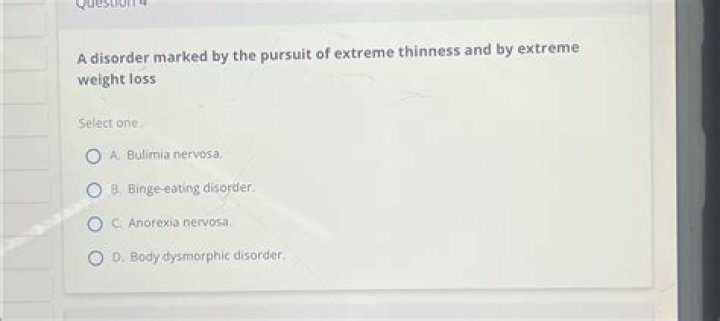
Extreme thinness is a condition that affects millions of people globally, often linked to various health and psychological factors. It is characterized by a significantly lower body weight than what is considered healthy for an individual's height and age. This condition can have serious implications for overall well-being, making it crucial to understand its causes, effects, and potential solutions.
While many discussions focus on obesity and weight gain, extreme thinness remains an underrepresented yet equally concerning issue. People experiencing this condition may face challenges such as weakened immunity, hormonal imbalances, and even mental health struggles. In this article, we will delve into the intricacies of extreme thinness, exploring its causes, risks, and possible interventions.
By the end of this article, you will gain a comprehensive understanding of extreme thinness and how to address it effectively. Whether you are personally affected or know someone who is, this guide aims to provide valuable insights and actionable advice.
What is Extreme Thinness?
Extreme thinness refers to a body weight that falls significantly below the normal range for an individual's height and age. It is often measured using the Body Mass Index (BMI), where a BMI below 18.5 indicates underweight, and values below 16 are considered severe thinness. This condition can result from a variety of factors, including genetic predispositions, metabolic conditions, and lifestyle choices.
Individuals with extreme thinness may face challenges such as low energy levels, difficulty concentrating, and increased susceptibility to infections. Understanding the nuances of this condition is essential for addressing it effectively.
Variations in Extreme Thinness
Extreme thinness can manifest differently depending on age, gender, and underlying health conditions. For instance:
- Children with extreme thinness may experience stunted growth and developmental delays.
- Adults may encounter issues such as osteoporosis, infertility, and chronic fatigue.
- Elderly individuals may face a higher risk of fractures and weakened immune systems.
Causes of Extreme Thinness
Extreme thinness can arise from a combination of genetic, environmental, and psychological factors. Below, we explore the primary causes:
- Genetic Factors: Some individuals are naturally predisposed to having a lower body weight due to their genetic makeup.
- Metabolic Disorders: Conditions such as hyperthyroidism can accelerate metabolism, leading to weight loss.
- Eating Disorders: Disorders like anorexia nervosa and bulimia can result in extreme thinness due to restrictive eating habits.
- Chronic Illnesses: Diseases such as cancer, tuberculosis, and HIV/AIDS can cause significant weight loss.
Psychological and Social Influences
Psychological factors, such as stress, anxiety, and depression, can also contribute to extreme thinness. Additionally, societal pressures and unrealistic beauty standards may influence individuals to pursue extreme weight loss.
Health Risks Associated with Extreme Thinness
Extreme thinness poses numerous health risks that can affect both physical and mental well-being. Some of the most common risks include:
- Weakened immune system
- Osteoporosis and bone fractures
- Infertility and hormonal imbalances
- Increased risk of infections
- Cardiovascular issues
These risks underscore the importance of addressing extreme thinness promptly and effectively.
Diagnosis and Assessment
Diagnosing extreme thinness involves a comprehensive evaluation of an individual's medical history, lifestyle, and physical health. Healthcare providers may use tools such as BMI calculations, blood tests, and imaging studies to assess the severity of the condition.
Key Diagnostic Criteria
Some of the key criteria for diagnosing extreme thinness include:
- A BMI below 16
- Significant weight loss over a short period
- Presence of underlying medical conditions
Early diagnosis and intervention are crucial for mitigating the risks associated with extreme thinness.
Nutritional Interventions
Nutrition plays a pivotal role in addressing extreme thinness. A well-balanced diet rich in essential nutrients can help individuals gain weight in a healthy manner. Key nutritional strategies include:
- Incorporating calorie-dense foods such as nuts, avocados, and whole grains
- Consuming protein-rich foods like lean meats, eggs, and legumes
- Taking supplements to address nutrient deficiencies
Meal Planning Tips
Creating a structured meal plan can help individuals with extreme thinness achieve their weight gain goals. Consider the following tips:
- Eat smaller, more frequent meals throughout the day
- Include healthy fats in every meal
- Stay hydrated to support overall health
Psychological Impact and Support
Extreme thinness can have a profound psychological impact on individuals, affecting their self-esteem, relationships, and mental health. Seeking support from mental health professionals, support groups, and loved ones can be beneficial in overcoming these challenges.
Coping Strategies
Some effective coping strategies for individuals with extreme thinness include:
- Practicing mindfulness and stress-reduction techniques
- Engaging in therapy or counseling
- Building a strong support network
Lifestyle Changes for Weight Gain
In addition to nutritional interventions, making lifestyle changes can support healthy weight gain. These changes may include:
- Incorporating strength training exercises to build muscle mass
- Getting adequate sleep to promote recovery and growth
- Reducing stress through relaxation techniques
Exercise and Weight Gain
Exercise, particularly resistance training, can play a vital role in gaining weight healthily. Focus on exercises that target major muscle groups and gradually increase intensity over time.
Medical Treatments and Therapies
In some cases, medical treatments may be necessary to address underlying conditions contributing to extreme thinness. These treatments can include hormone therapy, medications, and other interventions tailored to the individual's needs.
Consulting Healthcare Professionals
It is essential to consult with healthcare professionals to determine the most appropriate treatment plan. They can provide guidance on medications, therapies, and lifestyle changes that may be beneficial.
Prevention Strategies
Preventing extreme thinness involves adopting healthy habits and addressing potential risk factors early on. Some prevention strategies include:
- Maintaining a balanced diet
- Engaging in regular physical activity
- Seeking medical attention for underlying health issues
By taking proactive steps, individuals can reduce their risk of developing extreme thinness and its associated complications.
Conclusion
Extreme thinness is a complex condition with various causes, risks, and solutions. Understanding its intricacies is essential for addressing it effectively and improving overall health and well-being. By implementing nutritional interventions, making lifestyle changes, and seeking professional support, individuals can achieve healthy weight gain and enhance their quality of life.
We encourage you to share your thoughts and experiences in the comments below. Additionally, feel free to explore other articles on our website for more insights into health and wellness. Together, let's promote a healthier, happier world!
References:
- World Health Organization. (2023). Underweight and Health Risks.
- National Institutes of Health. (2022). Nutritional Approaches to Weight Gain.
- Mayo Clinic. (2021). Extreme Thinness: Causes and Treatments.