Understanding File Formats: A Comprehensive Guide for Digital Users
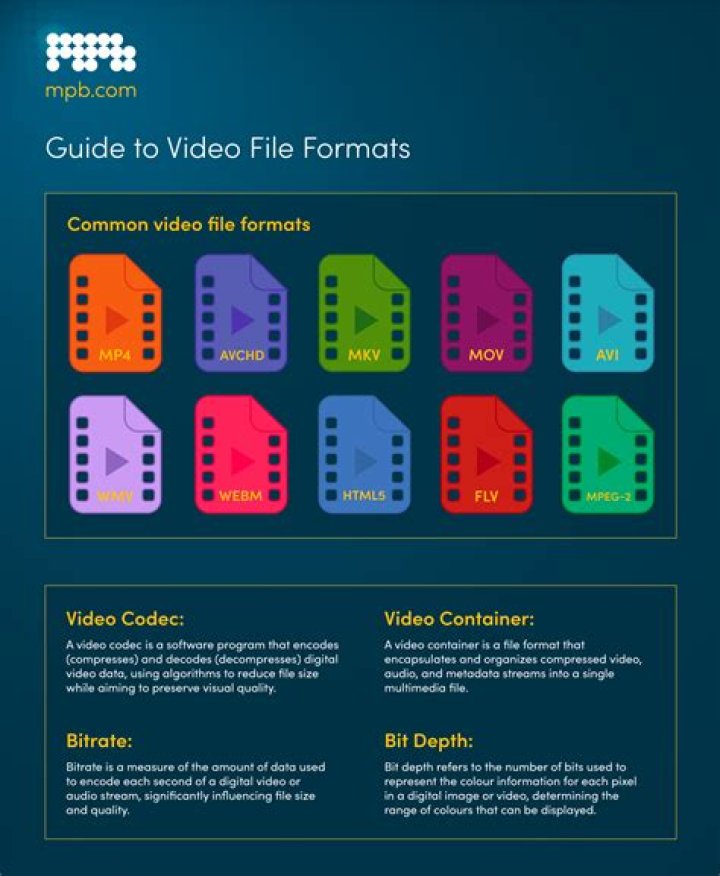
File formats are essential elements of digital communication, allowing users to save, share, and exchange information across various platforms and devices. As technology evolves, understanding the different types of file formats becomes increasingly important for optimizing productivity and ensuring compatibility. Whether you're a student, professional, or casual user, knowing the right file format for the right task is crucial.
In today's digital age, the ability to manage file formats effectively can significantly enhance your experience. From organizing documents to sharing multimedia content, file formats play a pivotal role in how we interact with digital information. This guide aims to provide an in-depth understanding of file formats, their types, and their applications, making it easier for you to make informed decisions.
By exploring the nuances of file formats, we will uncover the best practices for file management and storage. This article will delve into the technical aspects of file formats while maintaining a user-friendly approach, ensuring that readers of all levels can grasp the concepts. Let's embark on this journey to master the world of file formats.
What Are File Formats?
A file format refers to the structure and encoding of data within a computer file. It determines how information is stored, retrieved, and processed by software applications. Each file format is designed for specific purposes, such as text documents, images, audio, video, or spreadsheets. Understanding the purpose of each format helps users select the most appropriate option for their needs.
File formats are identified by extensions, such as .docx for Microsoft Word documents or .jpg for image files. These extensions provide clues about the type of content contained within the file and the programs capable of opening it. Knowing the file format is essential for ensuring compatibility and accessibility across different platforms.
Why Are File Formats Important?
- They ensure data integrity and consistency.
- They facilitate seamless sharing and collaboration.
- They optimize storage and retrieval processes.
By understanding file formats, users can better manage their digital resources, improving efficiency and reducing potential issues like file corruption or incompatibility.
Types of File Formats
File formats can be broadly categorized into several types based on their primary function and structure. These categories include document files, image files, audio files, video files, and others. Each type serves a unique purpose and is optimized for specific applications.
Document File Formats
Document file formats are designed for storing textual information and are commonly used in word processing applications. Examples include:
- .docx: Microsoft Word's default format.
- .pdf: Portable Document Format for universal compatibility.
- .txt: Plain text format for simple documents.
These formats are essential for creating, editing, and sharing written content across various platforms.
Common File Formats
Some file formats are more prevalent than others due to their versatility and widespread adoption. Below are some of the most commonly used file formats across different categories:
Image File Formats
- .jpg: Ideal for photographs and web images.
- .png: Suitable for images requiring transparency.
- .gif: Used for animated graphics.
Audio File Formats
- .mp3: Popular for compressed audio files.
- .wav: High-quality, uncompressed audio format.
- .flac: Lossless audio compression format.
These formats cater to a wide range of multimedia needs, from casual listening to professional audio editing.
File Format Compatibility
Compatibility is a critical factor when working with file formats. Not all software applications can open or process every file type, which can lead to compatibility issues. To ensure smooth operations, users should consider the following:
- Use universally accepted formats like .pdf or .jpg when sharing files.
- Convert files to compatible formats if necessary.
- Regularly update software to support the latest file formats.
By prioritizing compatibility, users can avoid common pitfalls and streamline their digital workflows.
File Size and Format
File size is closely related to the file format, as certain formats are optimized for compression and efficient storage. For example, .mp3 files are smaller than .wav files due to their compressed nature, making them ideal for online sharing. However, this compression may result in a slight loss of quality.
Tips for Managing File Size
- Choose the right format for the intended use.
- Compress files when necessary to save space.
- Use tools to optimize images and videos for web use.
Understanding the trade-offs between file size and quality is essential for effective file management.
Converting File Formats
Converting file formats is a common task that allows users to make files compatible with different applications or platforms. Numerous tools and software are available for converting files, ranging from simple online converters to advanced desktop applications.
Popular File Conversion Tools
- Adobe Acrobat: For converting documents to and from PDF format.
- GIMP: For image format conversion and editing.
- VLC Media Player: For converting audio and video files.
When converting files, it's important to ensure that the quality and integrity of the original content are preserved.
Best Practices for File Management
Effective file management is crucial for maintaining organization and accessibility. Here are some best practices to consider:
- Use descriptive filenames to make files easily identifiable.
- Organize files into folders based on categories or projects.
- Regularly back up important files to prevent data loss.
- Adopt a consistent naming convention for easier navigation.
Implementing these practices can significantly enhance your file management capabilities, saving time and reducing stress.
File Security and Privacy
File security is a growing concern in the digital age, as sensitive information is often stored in digital formats. To protect files from unauthorized access or data breaches, users should:
- Encrypt files containing sensitive information.
- Use strong passwords for file protection.
- Limit access to files by setting permissions.
- Regularly update security software to detect threats.
By prioritizing file security, users can safeguard their digital assets and maintain privacy.
The Future of File Formats
As technology continues to evolve, so too will file formats. Emerging trends such as cloud storage, artificial intelligence, and augmented reality are shaping the future of how we store and interact with digital information. New formats may emerge to address the demands of these technologies, offering enhanced functionality and improved user experiences.
Predicted Developments
- Increased focus on interoperability and cross-platform compatibility.
- Advancements in compression algorithms for better efficiency.
- Integration of AI-driven features for smarter file management.
Staying informed about these developments will help users adapt to the changing landscape of file formats.
Conclusion
File formats are indispensable components of digital communication, playing a vital role in how we create, share, and manage information. By understanding the different types of file formats and their applications, users can optimize their digital workflows and improve overall efficiency. From ensuring compatibility to enhancing security, mastering file formats empowers users to take full advantage of the digital tools at their disposal.
We encourage you to explore the topics discussed in this guide further and apply the knowledge gained to your everyday tasks. Feel free to leave a comment or share this article with others who may benefit from it. For more informative content, visit our website and stay updated on the latest trends in technology and digital solutions.