Understanding OSHA: A Comprehensive Guide to Workplace Safety and Health
Occupational Safety and Health Administration (OSHA) plays a pivotal role in ensuring safe and healthy working conditions for employees across the United States. Established in 1970 under the Occupational Safety and Health Act, OSHA has become a cornerstone of workplace safety regulations. Its mission is to prevent work-related injuries, illnesses, and deaths by setting and enforcing standards while providing training, outreach, and education.
In today's rapidly evolving work environments, understanding OSHA's role and compliance requirements is more critical than ever. Employers and employees alike must familiarize themselves with OSHA standards to create safer workplaces and avoid costly violations. This guide will delve into the intricacies of OSHA, its significance, and how it impacts businesses and workers.
As you explore this article, you'll gain valuable insights into OSHA's history, regulations, enforcement mechanisms, and the resources available to help organizations achieve compliance. Whether you're an employer seeking to enhance workplace safety or an employee wanting to understand your rights, this guide will provide comprehensive information to empower you.
OSHA History and Formation
The Occupational Safety and Health Administration was established in 1970 through the Occupational Safety and Health Act. This landmark legislation aimed to ensure that every working person in the United States would have a safe and healthful workplace. Prior to OSHA's creation, workplace injuries and fatalities were alarmingly high, prompting the need for comprehensive federal oversight.
Key Milestones in OSHA's History
- 1970: The Occupational Safety and Health Act is signed into law by President Richard Nixon.
- 1971: OSHA begins operations, introducing its first set of safety standards.
- 1980s: OSHA expands its focus to include ergonomics and chemical exposure regulations.
- 2000s: The agency enhances its emphasis on whistleblower protection and global safety practices.
OSHA's formation marked a significant turning point in the history of workplace safety, leading to measurable improvements in worker health and safety across various industries.
Key OSHA Regulations and Standards
OSHA has developed a wide array of regulations and standards to address specific hazards in the workplace. These standards are categorized into several areas, including General Industry, Construction, Maritime, and Agriculture.
Notable OSHA Standards
- Hazard Communication (HazCom): Ensures employees are informed about chemical hazards.
- Fall Protection: Mandates safety measures to prevent falls in construction and other industries.
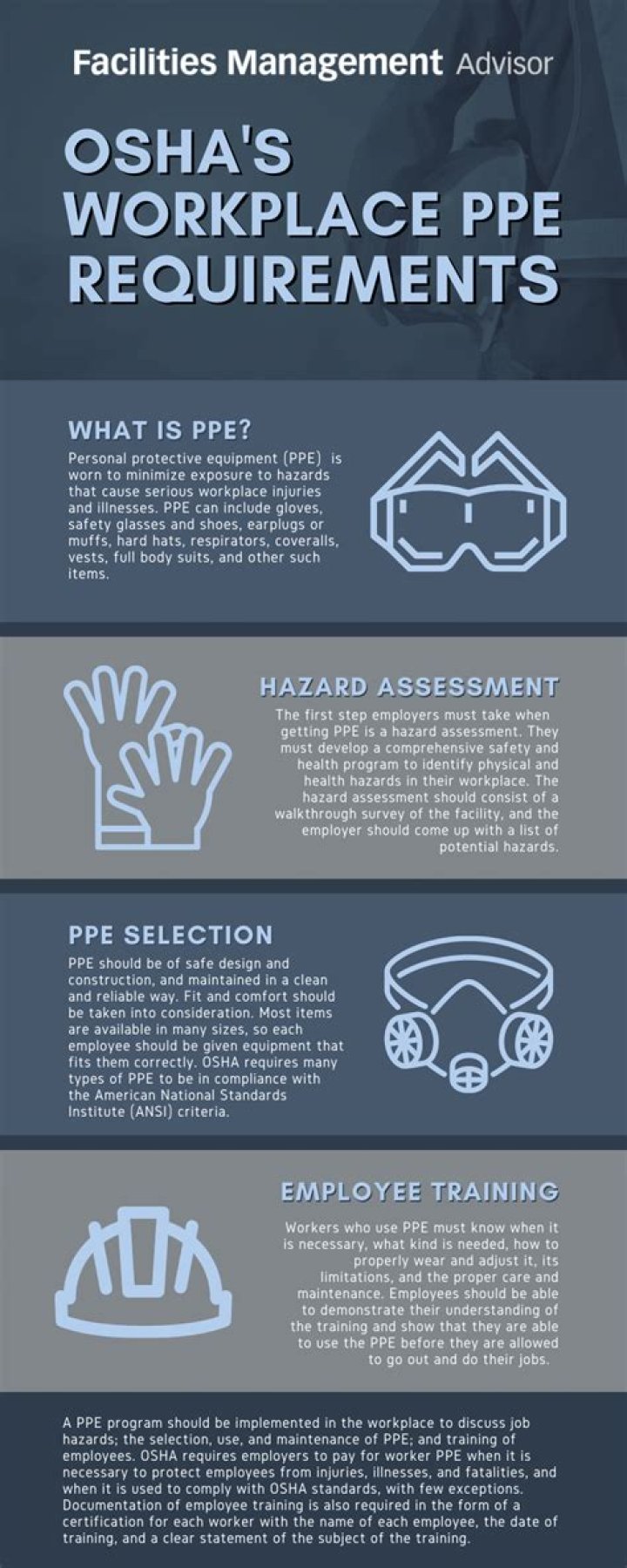
- Personal Protective Equipment (PPE): Requires employers to provide necessary safety gear.
Compliance with these standards is essential for maintaining a safe work environment and avoiding penalties.
OSHA Enforcement and Compliance
Enforcement is a critical component of OSHA's operations. The agency conducts inspections, investigates complaints, and issues citations for non-compliance. Inspections can be triggered by several factors, including employee complaints, referrals, or severe accidents.
Inspection Process
During an inspection, OSHA compliance officers evaluate workplace conditions, review records, and interview employees. Employers are required to cooperate fully with inspectors and address any identified violations promptly.
Employee Rights Under OSHA
Under OSHA, employees have the right to a safe workplace and the ability to report unsafe conditions without fear of retaliation. They can file complaints anonymously and request inspections if they believe their workplace is unsafe.
Key Employee Rights
- Right to request an OSHA inspection.
- Right to access workplace injury and illness records.
- Right to participate in OSHA investigations.
These rights empower employees to advocate for their safety and well-being in the workplace.
Employer Responsibilities Regarding OSHA
Employers have a legal obligation to comply with OSHA standards and provide a safe working environment. This includes conducting regular safety audits, providing training, and ensuring proper use of personal protective equipment.
Employer Obligations
- Comply with all applicable OSHA standards.
- Maintain accurate records of workplace injuries and illnesses.
- Post the OSHA poster in a visible location.
Failure to meet these responsibilities can result in significant fines and legal consequences.
Common OSHA Violations and Penalties
Despite OSHA's efforts, violations remain a common issue in many workplaces. Some of the most frequently cited violations include inadequate fall protection, improper hazard communication, and lack of machine guarding.
Penalties for Non-Compliance
Penalties for OSHA violations can range from minor fines to substantial monetary penalties, depending on the severity and frequency of the violations. Repeat offenders may face increased scrutiny and higher fines.
OSHA Training Programs and Resources
OSHA offers a variety of training programs and resources to help employers and employees improve workplace safety. These include the OSHA Training Institute, Outreach Training Program, and numerous online courses.
Benefits of OSHA Training
- Enhanced understanding of safety standards.
- Improved compliance and reduced risk of violations.
- Increased employee awareness and participation in safety efforts.
Investing in OSHA training can lead to safer workplaces and more productive employees.
OSHA's Influence on International Safety Standards
While OSHA primarily focuses on U.S. workplaces, its principles and practices have influenced global safety standards. Many countries have adopted similar regulatory frameworks to improve workplace safety and health.
Global Safety Initiatives
OSHA collaborates with international organizations to promote best practices in workplace safety. These efforts contribute to a global culture of safety and health in the workplace.
Future Directions for OSHA
As technology and work environments continue to evolve, OSHA must adapt to address emerging hazards. Future priorities may include addressing ergonomic issues in remote work settings, enhancing cybersecurity standards, and improving mental health resources for workers.
Innovations in Workplace Safety
Advancements in technology, such as wearable safety devices and artificial intelligence, offer new opportunities for improving workplace safety. OSHA will likely incorporate these innovations into its standards and guidelines.
Conclusion: Embracing Workplace Safety
In conclusion, OSHA plays a vital role in ensuring safe and healthy workplaces across the United States. By understanding and adhering to OSHA regulations, employers and employees can create environments where productivity and well-being thrive.
We encourage you to take action by reviewing OSHA standards relevant to your industry, participating in training programs, and staying informed about updates in workplace safety. Share this article with colleagues and explore additional resources on our website to further your knowledge of workplace safety.
Together, we can build a safer and healthier future for all workers.