Understanding Psychopaths: A Comprehensive Guide to Identifying and Coping with Psychopathy
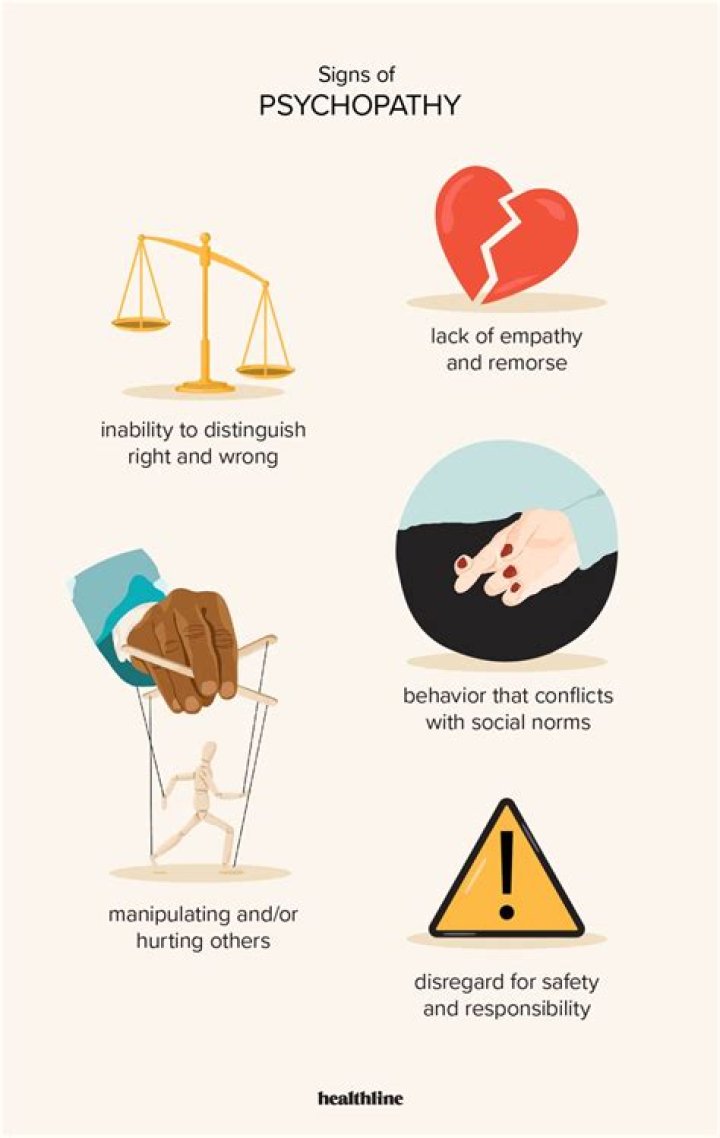
Psychopathy is a complex psychological condition that affects a significant portion of the population, often misunderstood and misrepresented in popular media. It is characterized by specific traits such as a lack of empathy, manipulative behavior, and impulsivity. Understanding psychopathy is crucial, not only for mental health professionals but also for the general public, as it helps in recognizing potential red flags and protecting oneself from harmful situations. This article delves into the intricacies of psychopathy, offering valuable insights and practical advice.
While psychopathy might seem like a distant concept to many, its prevalence in society is more common than one might think. Studies suggest that approximately 1% of the general population exhibits psychopathic traits, making it essential to be informed about the condition. By gaining a deeper understanding of psychopathy, individuals can better navigate interpersonal relationships and safeguard their mental well-being.
This article aims to provide a comprehensive overview of psychopathy, covering its causes, symptoms, and implications. Whether you're a psychologist, a concerned individual, or simply someone seeking knowledge, this guide will equip you with the necessary tools to recognize and address psychopathic behavior effectively.
What is Psychopathy?
Psychopathy is a personality disorder that affects an individual's emotional and interpersonal functioning. It is characterized by a combination of traits, including superficial charm, manipulation, and a lack of remorse or empathy. Unlike popular depictions in movies and TV shows, not all psychopaths are violent criminals. Many lead seemingly normal lives, blending into society while exhibiting subtle signs of the condition.
Key Characteristics of Psychopathy
- Superficial charm and charisma
- Manipulative behavior aimed at personal gain
- Shallow emotional experiences
- Impulsivity and a tendency to engage in risky behaviors
- Lack of empathy and remorse
- Grandiose sense of self-worth
These traits often manifest in various aspects of life, affecting relationships, work, and social interactions. Recognizing these characteristics is the first step in understanding psychopathy and its impact on individuals and society.
Causes and Risk Factors of Psychopathy
While the exact cause of psychopathy remains unclear, research suggests a combination of genetic, environmental, and neurological factors contribute to its development. Studies indicate that individuals with a family history of psychopathy are more likely to exhibit similar traits, highlighting the role of genetics. Additionally, early childhood experiences, such as trauma or neglect, can exacerbate the condition.
Neurological Basis of Psychopathy
Research has shown that psychopaths often display abnormalities in brain structure and function, particularly in areas responsible for emotion regulation and decision-making. For instance, the amygdala, which processes emotions like fear and empathy, tends to be underactive in individuals with psychopathy. This neurological difference may explain their lack of emotional depth and inability to connect with others on an emotional level.
Identifying Psychopathic Traits
Recognizing psychopathic traits can be challenging, especially in individuals who excel at masking their true nature. However, certain signs and behaviors can serve as red flags, prompting further investigation. These include a pattern of deceit, disregard for the rights of others, and a tendency to exploit people for personal gain.
Common Signs of Psychopathy
- Charming and charismatic demeanor
- Frequent lying and deception
- Manipulative tactics to control others
- Lack of guilt or remorse
- Impulsive and reckless behavior
By paying attention to these signs, individuals can protect themselves and others from potential harm caused by psychopathic behavior.
Psychopathy in Relationships
Psychopathy can significantly impact interpersonal relationships, often leading to emotional distress and manipulation. Individuals with psychopathic tendencies may use charm and manipulation to gain control over their partners, creating an imbalance of power in the relationship. This can result in emotional abuse, financial exploitation, and other forms of harm.
How to Protect Yourself in a Relationship with a Psychopath
- Trust your instincts and be wary of overly charming individuals
- Set clear boundaries and enforce them consistently
- Seek support from friends, family, or mental health professionals
- Document any instances of manipulation or abuse
By taking these precautions, individuals can minimize the impact of psychopathy on their relationships and maintain their emotional well-being.
Psychopathy in the Workplace
Psychopathy can also manifest in professional settings, where individuals with the condition may use their charm and manipulation skills to climb the corporate ladder. While some psychopaths excel in high-pressure environments, their behavior can create a toxic work culture, affecting colleagues and subordinates alike.
Managing Psychopathy in the Workplace
- Encourage transparency and open communication
- Implement clear policies and procedures to address unethical behavior
- Provide training on recognizing and addressing psychopathic tendencies
- Support employees who may be affected by psychopathic behavior
Creating a workplace culture that prioritizes empathy and accountability can help mitigate the negative effects of psychopathy on organizational dynamics.
Psychopathy and the Law
While not all psychopaths engage in criminal behavior, studies suggest a higher prevalence of psychopathic traits among incarcerated populations. The lack of empathy and remorse exhibited by psychopaths can lead to repeated offenses, making them a significant concern for the legal system. Understanding the connection between psychopathy and criminal behavior is crucial for developing effective rehabilitation and prevention strategies.
Challenges in Dealing with Psychopathic Offenders
- Difficulty in rehabilitation due to lack of remorse
- Manipulative tactics used to exploit the legal system
- Higher likelihood of recidivism compared to non-psychopathic offenders
Addressing these challenges requires a multidisciplinary approach, involving mental health professionals, legal experts, and policymakers to develop comprehensive strategies for managing psychopathic offenders.
Treatment and Management of Psychopathy
Despite its complex nature, psychopathy can be managed through various therapeutic approaches and interventions. While there is no cure for the condition, treatments such as cognitive-behavioral therapy and medication can help mitigate its effects and improve overall functioning.
Therapeutic Approaches for Psychopathy
- Cognitive-behavioral therapy to address maladaptive thought patterns
- Anger management and impulse control training
- Family therapy to improve interpersonal relationships
While progress may be slow, consistent treatment can lead to positive outcomes, enabling individuals with psychopathy to lead more fulfilling and productive lives.
Living with a Psychopath
Living with a psychopath can be emotionally draining and challenging, requiring a strong support system and coping strategies. It is essential to prioritize self-care and seek professional guidance to navigate the complexities of such relationships.
Strategies for Coping with Psychopathy
- Maintain open lines of communication with trusted individuals
- Engage in activities that promote emotional well-being
- Set realistic expectations and boundaries
By implementing these strategies, individuals can better manage the challenges of living with a psychopath and maintain their mental health.
Psychopathy in Popular Culture
Psychopathy has been a popular theme in movies, TV shows, and literature, often portrayed as a mysterious and intriguing condition. While these depictions can raise awareness, they sometimes perpetuate harmful stereotypes and misconceptions about the condition.
Separating Fact from Fiction
- Recognize the difference between fictional portrayals and real-life psychopathy
- Seek accurate information from reputable sources
- Critically evaluate media representations of psychopathy
By distinguishing between fact and fiction, individuals can gain a more nuanced understanding of psychopathy and its implications.
Conclusion
In conclusion, psychopathy is a multifaceted condition that affects individuals and society in profound ways. By understanding its causes, symptoms, and implications, we can better address the challenges it presents and promote a safer, more empathetic world. We encourage readers to share this article, leave comments, and explore other resources to deepen their knowledge of psychopathy.
For further reading, consider exploring academic journals, books, and reputable websites dedicated to psychology and mental health. Together, we can foster a greater understanding of psychopathy and its impact on our lives.
References
- Porter, S., & Woodworth, M. (2007). "Psychopathy: Theories, Measurement, and Criminal Behavior." Cambridge University Press.
- American Psychiatric Association. (2013). "Diagnostic and Statistical Manual of Mental Disorders (DSM-5)." American Psychiatric Publishing.
- Babiak, P., & Hare, R. D. (2006). "Snakes in Suits: When Psychopaths Go to Work." HarperCollins Publishers.