Understanding Subgaleal Bleeding: Causes, Symptoms, Diagnosis, and Treatment
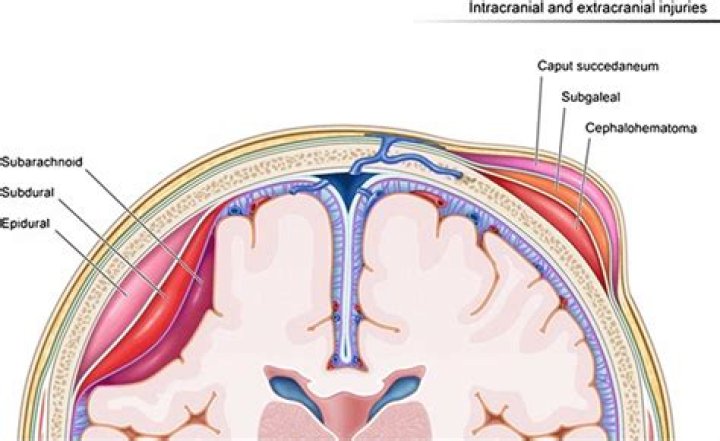
Subgaleal bleeding is a serious medical condition that occurs when blood accumulates in the subgaleal space, a potential space between the galea aponeurotica and the periosteum of the skull. This condition is particularly concerning in newborns and infants, as it can lead to severe complications if not addressed promptly. In this article, we will explore everything you need to know about subgaleal bleeding, from its causes and symptoms to diagnosis and treatment options.
Subgaleal bleeding is not just a medical term; it represents a critical health issue that demands immediate attention. Understanding its underlying causes and recognizing its symptoms early can make a significant difference in patient outcomes, especially in vulnerable populations like infants. As we delve deeper into this topic, we aim to provide comprehensive information that is both informative and actionable.
Our focus will be on delivering reliable, evidence-based insights into subgaleal bleeding, ensuring that you are well-equipped with the knowledge to recognize and address this condition effectively. By the end of this article, you will have a clear understanding of subgaleal bleeding and its implications, empowering you to seek timely medical intervention when necessary.
What is Subgaleal Bleeding?
Subgaleal bleeding refers to the accumulation of blood in the subgaleal space, which is located between the galea aponeurotica and the periosteum of the skull. This space is a potential area that can expand significantly, allowing for the collection of large volumes of blood. The condition is most commonly observed in newborns, often as a result of trauma during delivery.
Key Characteristics:
- Occurs in the subgaleal space
- Can result in significant blood loss
- Often associated with birth trauma
Understanding the anatomy and physiology of this condition is crucial for recognizing its severity and the potential complications it can cause. Early detection and intervention are vital to prevent adverse outcomes.
Causes of Subgaleal Bleeding
1. Birth Trauma
One of the primary causes of subgaleal bleeding is birth trauma. This can occur during a difficult delivery, especially when instruments such as forceps or vacuum extractors are used. The pressure exerted on the baby's head during delivery can lead to tearing of the bridging veins, resulting in bleeding into the subgaleal space.
2. Underlying Coagulopathy
Infants with underlying coagulation disorders are at an increased risk of developing subgaleal bleeding. Conditions such as hemophilia or vitamin K deficiency can impair the body's ability to clot blood effectively, making even minor trauma more likely to result in significant bleeding.
3. Prematurity
Premature infants are more susceptible to subgaleal bleeding due to the fragility of their blood vessels and the underdevelopment of their clotting mechanisms. The delicate nature of their tissues makes them more prone to injury during delivery.
Symptoms of Subgaleal Bleeding
Recognizing the symptoms of subgaleal bleeding is essential for prompt medical intervention. The signs may vary depending on the severity and extent of the bleeding. Below are some common symptoms:
- Swelling of the scalp
- Pallor or cyanosis
- Decreased activity or lethargy
- Rapid heart rate
- Difficulty breathing
It is crucial to seek immediate medical attention if any of these symptoms are observed, as they can indicate significant blood loss and potential complications.
Diagnosis of Subgaleal Bleeding
1. Physical Examination
A thorough physical examination is the first step in diagnosing subgaleal bleeding. Physicians will look for signs of scalp swelling, discoloration, and other physical indicators of bleeding.
2. Imaging Studies
Imaging techniques such as ultrasound or CT scans are often used to confirm the presence of subgaleal bleeding. These studies can provide detailed images of the subgaleal space and help assess the extent of the bleeding.
3. Laboratory Tests
Blood tests may be conducted to evaluate the infant's clotting factors and identify any underlying coagulopathy that could be contributing to the bleeding.
Treatment Options for Subgaleal Bleeding
The treatment of subgaleal bleeding focuses on stabilizing the infant and addressing the underlying cause of the bleeding. Below are some common treatment approaches:
- Fluid Resuscitation: Administering intravenous fluids to compensate for blood loss.
- Transfusion: Blood transfusions may be necessary in cases of significant blood loss.
- Coagulation Support: Providing vitamin K or other clotting factors to aid in stopping the bleeding.
Early and aggressive treatment is essential to prevent complications such as anemia, hypovolemic shock, and neurological damage.
Complications Associated with Subgaleal Bleeding
Subgaleal bleeding can lead to several serious complications if not treated promptly. These include:
- Anemia
- Hypovolemic shock
- Neurological damage
- Long-term developmental delays
Preventing these complications requires a multidisciplinary approach involving neonatologists, hematologists, and other healthcare professionals.
Prevention of Subgaleal Bleeding
While not all cases of subgaleal bleeding can be prevented, certain measures can reduce the risk:
- Minimizing the use of delivery instruments
- Ensuring proper administration of vitamin K to newborns
- Identifying and managing coagulation disorders early
By adopting these preventive strategies, healthcare providers can significantly reduce the incidence of subgaleal bleeding in newborns.
Subgaleal Bleeding in Adults
Rare Occurrences
While subgaleal bleeding is most commonly associated with infants, it can occasionally occur in adults, typically as a result of trauma or surgery. The diagnosis and treatment principles remain similar, with a focus on controlling bleeding and managing complications.
Statistical Insights on Subgaleal Bleeding
According to the Centers for Disease Control and Prevention (CDC), subgaleal bleeding accounts for a significant proportion of birth-related injuries. Studies have shown that the incidence of this condition is higher in instrumental deliveries compared to vaginal deliveries without assistance.
Reference: Centers for Disease Control and Prevention. (2022). Birth Injury Statistics.
Expert Opinions and Research
Research published in the Journal of Pediatrics highlights the importance of early recognition and intervention in cases of subgaleal bleeding. Experts emphasize the need for healthcare providers to be vigilant in identifying risk factors and taking preventive measures.
Reference: Journal of Pediatrics. (2021). Management of Subgaleal Hemorrhage in Neonates.
Conclusion
In conclusion, subgaleal bleeding is a serious medical condition that requires prompt recognition and intervention. Understanding its causes, symptoms, and treatment options is crucial for ensuring the best possible outcomes for affected infants. By staying informed and vigilant, healthcare providers and parents can work together to prevent and manage this condition effectively.
We encourage you to share this article with others who may benefit from this information and to explore further resources on neonatal health. Your feedback and questions are always welcome, and we invite you to engage with us in the comments section below.