Understanding Trisomy 13 Mosaicism: Causes, Symptoms, Diagnosis, and Management
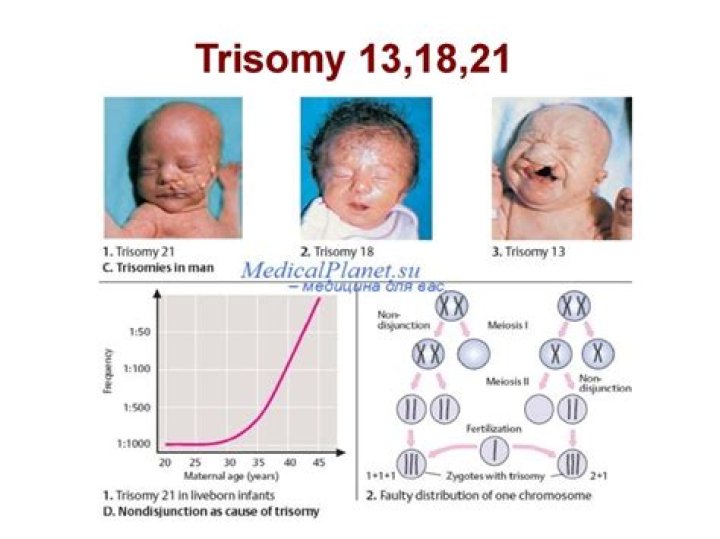
Trisomy 13 mosaicism is a rare genetic condition that occurs when an individual has an extra copy of chromosome 13 in some, but not all, of their cells. This condition is a variation of trisomy 13, also known as Patau syndrome, and it presents unique challenges and complexities. Understanding this condition is essential for families, caregivers, and healthcare providers to provide the best possible care and support for affected individuals.
Trisomy 13 mosaicism is a condition that arises due to an error in cell division during early development. Unlike full trisomy 13, where every cell in the body contains an extra chromosome 13, individuals with trisomy 13 mosaicism have a mix of cells with and without the extra chromosome. This variation can lead to a wide range of symptoms and outcomes, making each case unique.
This article aims to provide comprehensive information about trisomy 13 mosaicism, including its causes, symptoms, diagnostic methods, and management strategies. By the end of this article, readers will have a deeper understanding of this complex condition and the resources available to support those affected by it.
What is Trisomy 13 Mosaicism?
Trisomy 13 mosaicism is a genetic disorder characterized by the presence of an extra chromosome 13 in some cells of the body. This condition is a form of mosaicism, meaning that not all cells in the body are affected. Mosaicism occurs when an error in cell division happens after fertilization, leading to a mixture of normal and abnormal cells.
How Does Mosaicism Affect Trisomy 13?
In full trisomy 13, every cell in the body contains an extra chromosome 13, resulting in severe developmental and health issues. However, in trisomy 13 mosaicism, the presence of normal cells can sometimes mitigate the severity of symptoms. The proportion of affected cells can vary widely between individuals, leading to a spectrum of outcomes.
According to research published in the Journal of Medical Genetics, trisomy 13 mosaicism occurs in approximately 5% of cases of trisomy 13. This variation can lead to milder symptoms compared to full trisomy 13, although each case is unique.
Causes of Trisomy 13 Mosaicism
The primary cause of trisomy 13 mosaicism is an error in cell division during early embryonic development. This error, known as nondisjunction, results in some cells receiving an extra chromosome 13 while others remain unaffected.
Factors Contributing to Trisomy 13 Mosaicism
- Maternal Age: Older maternal age is a known risk factor for chromosomal abnormalities, including trisomy 13 mosaicism.
- Random Genetic Errors: Most cases of trisomy 13 mosaicism occur randomly and are not inherited from the parents.
- Environmental Factors: While not directly linked, exposure to certain environmental factors during pregnancy may increase the risk of chromosomal abnormalities.
It is important to note that trisomy 13 mosaicism is not caused by any actions or behaviors of the parents. It is a random genetic event that occurs during early development.
Symptoms of Trisomy 13 Mosaicism
The symptoms of trisomy 13 mosaicism can vary widely depending on the proportion of affected cells and the specific tissues involved. Common symptoms include:
Physical Features
- Cleft lip or palate
- Small or poorly developed eyes
- Low-set ears
- Heart defects
Developmental Delays
Individuals with trisomy 13 mosaicism often experience delays in physical and cognitive development. These delays can include:
- Delayed motor skills
- Speech and language difficulties
- Learning disabilities
Diagnosis of Trisomy 13 Mosaicism
Diagnosing trisomy 13 mosaicism typically involves a combination of prenatal testing and postnatal evaluations. Prenatal testing methods include:
Prenatal Screening
- Ultrasound imaging
- Chorionic villus sampling (CVS)
- Amniocentesis
Postnatal diagnosis may involve karyotyping, a test that examines the chromosomes in a blood sample, or fluorescence in situ hybridization (FISH), which detects specific chromosomal abnormalities.
Management and Treatment
There is no cure for trisomy 13 mosaicism, but various treatments and interventions can help manage symptoms and improve quality of life. Management strategies include:
Medical Interventions
- Surgical correction of physical abnormalities
- Medications to manage health complications
- Regular monitoring by healthcare professionals
Therapeutic Support
Therapies such as physical therapy, occupational therapy, and speech therapy can help address developmental delays and improve functional abilities.
Prognosis and Outlook
The prognosis for individuals with trisomy 13 mosaicism varies depending on the severity of symptoms and the proportion of affected cells. While some individuals may have a shorter life expectancy, others may live into adulthood with appropriate care and support.
Factors Affecting Prognosis
- Severity of organ involvement
- Availability of medical and therapeutic interventions
- Family support and resources
Research published in the American Journal of Medical Genetics suggests that early intervention and comprehensive care can significantly improve outcomes for individuals with trisomy 13 mosaicism.
Support for Families
Families of individuals with trisomy 13 mosaicism often require emotional, financial, and practical support. Resources available to families include:
Support Groups
- Local and online support groups for parents and caregivers
- Access to genetic counseling services
- Connections with other families facing similar challenges
Support groups can provide a sense of community and shared experiences, helping families navigate the challenges of raising a child with trisomy 13 mosaicism.
Research and Advancements
Ongoing research into trisomy 13 mosaicism aims to improve diagnostic methods, develop new treatments, and enhance quality of life for affected individuals. Recent advancements include:
Genetic Testing Innovations
- Improved accuracy of prenatal testing techniques
- Development of non-invasive prenatal testing (NIPT)
- Advancements in genetic counseling practices
These innovations hold promise for earlier and more accurate diagnosis, as well as better support for affected families.
Frequently Asked Questions
What is the Difference Between Trisomy 13 and Trisomy 13 Mosaicism?
While both conditions involve an extra chromosome 13, trisomy 13 affects all cells in the body, whereas trisomy 13 mosaicism affects only some cells. This difference can lead to a wider range of symptoms and outcomes in trisomy 13 mosaicism.
Can Trisomy 13 Mosaicism Be Inherited?
In most cases, trisomy 13 mosaicism is not inherited but occurs as a random genetic event during early development. However, in rare cases, a parent may carry a balanced translocation that increases the risk of having a child with trisomy 13 mosaicism.
Conclusion
Trisomy 13 mosaicism is a complex genetic condition that requires a multidisciplinary approach to management and care. By understanding its causes, symptoms, and available treatments, families and healthcare providers can work together to improve outcomes for affected individuals.
We encourage readers to share this article with others who may benefit from the information. For further support and resources, consider reaching out to local support groups or consulting with a genetic counselor. Together, we can make a difference in the lives of those affected by trisomy 13 mosaicism.