Unlocking the Secrets of Sustainable Eco-Friendly Living: A Comprehensive Guide
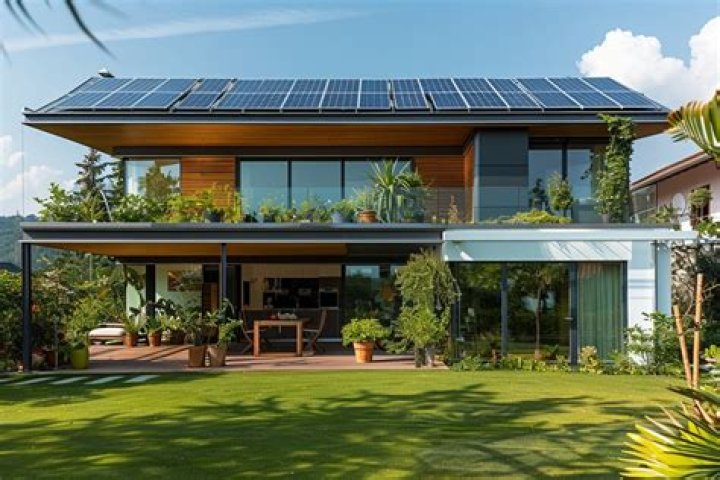
Living an eco-friendly lifestyle has become more than just a trend; it is a necessity for preserving our planet's future. As climate change continues to threaten ecosystems and human life, adopting sustainable practices is critical for minimizing our carbon footprint. By understanding the principles of eco-friendly living, individuals can contribute to global efforts aimed at protecting the environment while improving their quality of life.
In this article, we will explore the concept of sustainable living, its benefits, and practical steps you can take to reduce your environmental impact. Whether you're a beginner or already familiar with eco-friendly practices, this guide will provide valuable insights to help you make informed decisions for a greener future.
From reducing waste to conserving energy, every small action counts. By the end of this article, you will have a clear understanding of how to implement eco-conscious habits that align with your lifestyle and values. Let's dive in and discover the power of sustainable living.
Understanding the Concept of Eco-Friendly Living
Eco-friendly living revolves around making choices that minimize harm to the environment. This lifestyle prioritizes sustainability by reducing waste, conserving natural resources, and promoting ethical consumption. It involves rethinking daily habits and adopting practices that support ecological balance.
Key aspects of eco-friendly living include:
- Reducing reliance on single-use plastics
- Conserving water and energy
- Supporting local and organic agriculture
- Minimizing carbon emissions
According to the United Nations Environment Programme (UNEP), adopting sustainable practices can significantly reduce greenhouse gas emissions and promote environmental health. By understanding these principles, individuals can make meaningful contributions to global sustainability efforts.
Benefits of Adopting an Eco-Friendly Lifestyle
Living sustainably offers numerous advantages that extend beyond environmental protection. Some of the key benefits include:
1. Environmental Impact
Eco-friendly practices help preserve natural resources, reduce pollution, and combat climate change. By adopting sustainable habits, individuals can contribute to cleaner air, healthier ecosystems, and reduced waste.
2. Cost Savings
Switching to energy-efficient appliances, reducing water consumption, and minimizing waste can lead to significant cost savings over time. According to the U.S. Environmental Protection Agency (EPA), households that implement sustainable practices often experience reduced utility bills and lower maintenance costs.
3. Health Benefits
Eco-friendly living promotes healthier living environments by reducing exposure to harmful chemicals and pollutants. Using natural cleaning products, eating organic foods, and improving indoor air quality can enhance overall well-being.
Practical Steps to Start Living Sustainably
Transitioning to an eco-friendly lifestyle doesn't require drastic changes overnight. Here are some practical steps to get started:
1. Reduce Single-Use Plastics
Switch to reusable alternatives such as stainless steel water bottles, cloth shopping bags, and glass food containers. According to National Geographic, reducing plastic use can significantly decrease marine pollution and protect wildlife.
2. Conserve Water
Install low-flow showerheads, fix leaks promptly, and practice water-efficient habits like turning off the tap while brushing teeth. The World Wildlife Fund (WWF) estimates that these small changes can save thousands of gallons of water annually.
3. Embrace Energy Efficiency
Upgrade to LED lighting, use smart power strips, and unplug electronics when not in use. Energy Star-certified appliances can reduce electricity consumption by up to 30%, leading to substantial savings.
Creating a Sustainable Home Environment
Your home is an excellent place to implement eco-friendly practices. Consider the following tips:
1. Green Your Garden
Use native plants, implement rainwater harvesting, and avoid chemical pesticides. Sustainable gardening practices support biodiversity and reduce water usage.
2. Optimize Indoor Air Quality
Incorporate air-purifying plants, use natural cleaning products, and maintain proper ventilation. Improved indoor air quality can enhance respiratory health and overall comfort.
3. Reduce Waste
Compost organic waste, recycle properly, and repurpose items before discarding them. The Environmental Protection Agency reports that reducing waste can significantly decrease landfill contributions.
Building a Sustainable Wardrobe
Fashion has a significant environmental impact, but sustainable fashion offers a solution:
1. Choose Ethical Brands
Support companies that prioritize fair labor practices, use sustainable materials, and minimize waste. Look for certifications like Global Organic Textile Standard (GOTS) and Fair Trade.
2. Buy Secondhand
Thrift shopping reduces textile waste and promotes circular fashion. According to the Ellen MacArthur Foundation, extending the life of clothing by just nine months can reduce its carbon and water footprint by 20-30%.
3. Care for Clothes Properly
Wash clothes in cold water, air dry when possible, and repair items instead of replacing them. These practices extend garment lifespan and reduce resource consumption.
Supporting Sustainable Food Systems
Food production contributes significantly to environmental degradation. Here's how you can make a difference:
1. Eat Locally and Seasonally
Support local farmers, reduce food miles, and enjoy fresher produce. The Food and Agriculture Organization (FAO) emphasizes the importance of sustainable agriculture in combating climate change.
2. Reduce Meat Consumption
Adopt plant-based meals or participate in Meatless Mondays. The production of plant-based foods generally requires fewer resources than animal products.
3. Minimize Food Waste
Plan meals, store food properly, and compost scraps. The Natural Resources Defense Council (NRDC) estimates that reducing food waste can save billions of gallons of water annually.
Transportation and Eco-Friendly Choices
Transportation accounts for a significant portion of greenhouse gas emissions. Consider these alternatives:
1. Use Public Transit
Utilize buses, trains, or carpooling options to reduce individual carbon footprints.
2. Walk or Bike
For short distances, walking or biking is an excellent way to stay active while minimizing emissions.
3. Drive Electric Vehicles
Invest in electric or hybrid vehicles if feasible. The International Energy Agency (IEA) highlights the growing importance of electric vehicles in reducing transportation-related emissions.
Community Engagement and Advocacy
Individual actions are powerful, but collective efforts can create even greater impact:
1. Join Local Environmental Groups
Participate in community clean-ups, tree planting events, and advocacy campaigns.
2. Educate Others
Share knowledge about sustainable practices with friends, family, and colleagues.
3. Support Policy Change
Advocate for environmental policies at local, national, and international levels.
Measuring Your Environmental Impact
Tracking progress helps maintain motivation and identify areas for improvement:
1. Calculate Your Carbon Footprint
Use online calculators to assess your environmental impact and set reduction goals.
2. Monitor Resource Usage
Track water, energy, and waste metrics to evaluate sustainability efforts.
3. Celebrate Milestones
Recognize achievements and share successes with your community.
Conclusion
Adopting an eco-friendly lifestyle is a journey that benefits both the environment and personal well-being. By implementing sustainable practices in various aspects of life, individuals can contribute to global efforts aimed at combating climate change and preserving natural resources.
We encourage you to take action today by incorporating at least one new sustainable habit into your routine. Share your experiences in the comments below, and explore other articles on our website for further inspiration. Together, we can create a healthier planet for future generations.