Unveiling the Climate of Geneva, Switzerland: A Comprehensive Guide
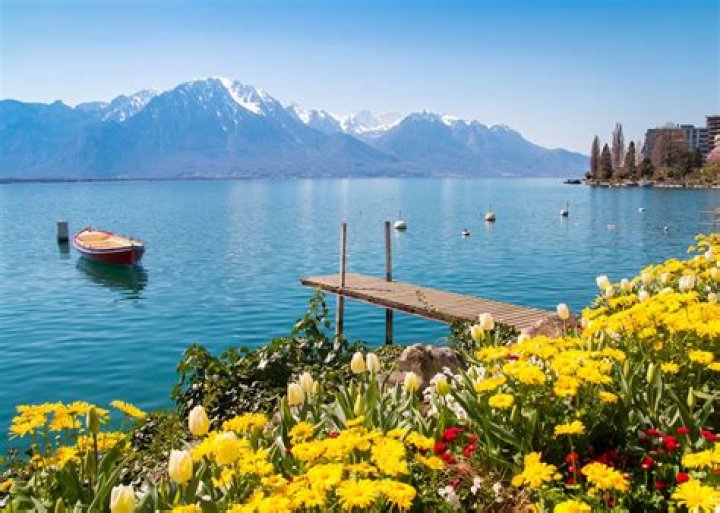
Geneva, Switzerland, is renowned for its breathtaking landscapes and stable climate, making it one of the most desirable places to live in the world. The city's unique geographical location, nestled between the Alps and Lake Geneva, contributes to its distinct weather patterns. Understanding the climate of Geneva, Switzerland, is essential for anyone planning to visit or reside in this beautiful city.
As global climate patterns continue to evolve, Geneva's climate remains a subject of interest for scientists and tourists alike. Its temperate climate offers four distinct seasons, providing a variety of experiences throughout the year. Whether you're planning a summer getaway or a winter retreat, knowing what to expect from Geneva's weather will enhance your experience.
This article delves into the intricacies of Geneva's climate, offering insights into its seasonal variations, historical weather patterns, and the factors influencing its weather. By the end of this guide, you'll have a comprehensive understanding of what makes Geneva's climate so unique and how to prepare for it effectively.
Geographical Influence on Geneva's Climate
The climate of Geneva, Switzerland, is heavily influenced by its geographical location. Situated in the southwestern part of the country, Geneva is surrounded by the majestic Alps and lies on the shores of Lake Geneva, one of the largest lakes in Europe. These natural features play a crucial role in shaping the city's weather patterns.
Alpine Influence
The presence of the Alps creates a barrier that affects air circulation, leading to cooler temperatures during the summer months. This mountain range also contributes to the formation of precipitation, ensuring that Geneva receives adequate rainfall throughout the year.
Lake Geneva's Role
Lake Geneva acts as a natural temperature regulator, moderating the city's climate. During the summer, the lake helps to cool the air, while in winter, it provides a slight warming effect. This phenomenon ensures that Geneva experiences a relatively mild climate compared to other regions at a similar latitude.
Seasonal Variation in Geneva
Geneva's climate is characterized by four distinct seasons, each offering its own charm and attractions. Understanding these seasonal variations is key to planning your visit or adjusting to life in the city.
Spring in Geneva
Spring in Geneva typically begins in March and lasts until May. The weather during this time is mild, with temperatures ranging from 8°C to 15°C. This season is ideal for outdoor activities, as the city comes alive with blooming flowers and lush greenery.
Summer Weather
Summer in Geneva, from June to August, is warm but not excessively hot. Average temperatures range from 20°C to 25°C, making it perfect for exploring the city's parks, lakeside promenades, and cultural attractions. Occasional thunderstorms can occur, providing refreshing breaks from the warm weather.
Historical Weather Patterns
Examining historical weather patterns provides valuable insights into the stability and predictability of Geneva's climate. Over the years, scientists have collected extensive data on temperature, precipitation, and other climatic factors.
According to data from the Swiss Federal Office of Meteorology and Climatology, Geneva's average annual temperature has remained relatively stable, with minor fluctuations due to natural variability and climate change. This consistency makes Geneva an attractive destination for those seeking a reliable climate.
Impact of Climate Change on Geneva
Like many regions around the world, Geneva is experiencing the effects of climate change. Rising global temperatures have led to changes in weather patterns, including increased frequency of extreme weather events and shifts in precipitation levels.
Rising Temperatures
Over the past few decades, Geneva has witnessed a gradual increase in average temperatures. This trend is consistent with global observations and underscores the need for sustainable practices to mitigate the impact of climate change.
Increased Precipitation
While overall precipitation levels have remained stable, there has been an increase in the intensity of rainfall events. This change can pose challenges for urban infrastructure and highlights the importance of adaptive measures to manage water resources effectively.
Tourism and Climate in Geneva
The climate of Geneva, Switzerland, plays a significant role in attracting tourists from around the world. Each season offers unique experiences that cater to different interests and preferences.
- Spring: Ideal for nature lovers and those seeking a peaceful escape.
- Summer: Perfect for outdoor enthusiasts and cultural explorers.
- Autumn: Offers stunning fall foliage and a variety of festivals.
- Winter: Attracts skiers and those looking to enjoy the city's cozy atmosphere.
Average Weather Statistics
Understanding average weather statistics is crucial for planning your visit to Geneva. Below are some key figures based on historical data:
- Average Annual Temperature: 10°C
- Warmest Month: July (22°C)
- Coldest Month: January (1°C)
- Average Annual Precipitation: 1,000 mm
Sub-Seasonal Weather Patterns
Within each season, Geneva experiences subtle variations in weather patterns that can influence your experience. Recognizing these sub-seasonal changes allows you to plan your activities accordingly.
Early Spring vs. Late Spring
Early spring in Geneva can still be chilly, with occasional frost, while late spring brings warmer temperatures and longer days, perfect for outdoor activities.
Early Winter vs. Late Winter
Early winter is characterized by crisp, clear days, while late winter may see more snowfall, creating a picturesque winter wonderland.
Emerging Climate Trends
As climate science advances, new trends are emerging that could shape the future of Geneva's climate. Researchers are closely monitoring changes in temperature, precipitation, and extreme weather events to better understand their implications.
One notable trend is the increasing frequency of heatwaves during the summer months. This development highlights the need for adaptive strategies to ensure the well-being of residents and visitors alike.
Preparing for Geneva's Climate
To make the most of your time in Geneva, it's essential to prepare for its climate. Here are some tips to help you stay comfortable and enjoy the city to the fullest:
- Wear layers to accommodate changing temperatures.
- Carry an umbrella or raincoat for unexpected showers.
- Invest in quality sunscreen for summer outings.
- Stay hydrated, especially during warmer months.
Conclusion
In conclusion, the climate of Geneva, Switzerland, is a defining feature of this beautiful city. Its unique geographical location and stable weather patterns make it an ideal destination for travelers and residents alike. By understanding the seasonal variations, historical weather patterns, and emerging trends, you can better prepare for your visit or life in Geneva.
We invite you to share your thoughts and experiences in the comments section below. Additionally, feel free to explore our other articles for more insights into the wonders of Switzerland. Together, let's celebrate the beauty and resilience of Geneva's climate.