Unveiling the Monumental Achievements of NAACP: A Beacon of Justice and Equality
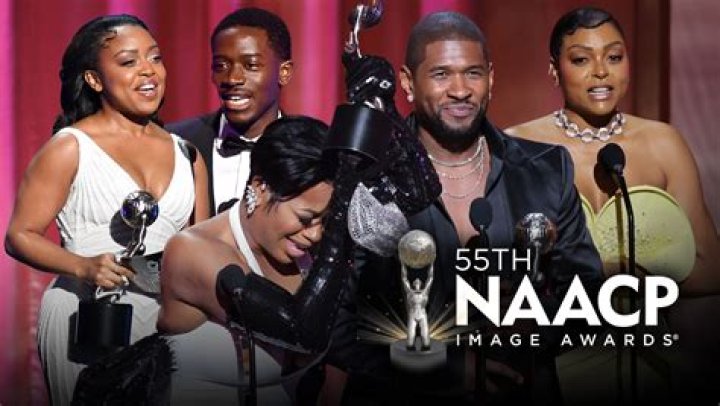
The NAACP, or the National Association for the Advancement of Colored People, stands as a pivotal organization in the fight for civil rights and racial equality in the United States. Founded over a century ago, its achievements have been instrumental in shaping the nation's legal, social, and political landscape. This organization has consistently championed the rights of African Americans and other marginalized communities, making it a cornerstone of the civil rights movement.
Since its inception in 1909, the NAACP has been at the forefront of advocating for justice, equality, and human rights. Its efforts have resulted in landmark legal victories, policy changes, and societal transformations that continue to resonate today. The organization's resilience and commitment to its mission have earned it a place in history as a powerful force for change.
As we delve into the achievements of the NAACP, it becomes evident that its work extends beyond mere advocacy. It represents a legacy of courage, determination, and unwavering dedication to dismantling systemic racism and fostering a more inclusive society. In this article, we will explore the organization's major accomplishments and their lasting impact on American society.
A Brief History of the NAACP
The NAACP was founded in 1909 by a group of activists, including W.E.B. Du Bois, Ida B. Wells, and Mary White Ovington, among others. This coalition of individuals came together to address the rampant racial injustice and violence faced by African Americans during the early 20th century. From its humble beginnings, the NAACP has grown into one of the most influential civil rights organizations in the world.
Over the years, the NAACP has evolved to tackle a wide range of issues affecting marginalized communities. Its mission remains steadfast: to ensure the political, educational, social, and economic equality of rights for all persons and to eliminate race-based discrimination.
Key Milestones in the NAACP's History
- 1909: Founding of the NAACP in response to the Springfield Race Riot.
- 1915: Successful campaign against the release of the film "The Birth of a Nation," which perpetuated racist stereotypes.
- 1941: Establishment of the NAACP Legal Defense and Educational Fund (LDF), a legal arm dedicated to fighting racial injustice through the courts.
Landmark Legal Cases Championed by the NAACP
The NAACP's legal victories have been instrumental in dismantling institutionalized racism. Through its Legal Defense Fund, the organization has argued and won numerous cases that have reshaped American jurisprudence. One of the most notable achievements is the Brown v. Board of Education case in 1954, which declared segregation in public schools unconstitutional.
Other significant cases include:
- Plessy v. Ferguson: Although the NAACP initially lost this case in 1896, it laid the groundwork for future challenges to segregation laws.
- Smith v. Allwright (1944): Struck down the "white primary" system, allowing African Americans to participate in political primaries.
- Loving v. Virginia (1967): Overturned laws banning interracial marriage.
Impact of Legal Advocacy
Through its legal advocacy, the NAACP has not only secured justice for individuals but has also set precedents that continue to protect civil rights today. The organization's commitment to using the courts as a tool for change has been a cornerstone of its strategy.
Advancing Voting Rights
Voting rights have been a central focus of the NAACP's work. The organization has fought tirelessly to ensure that all citizens, regardless of race, have equal access to the ballot box. Its efforts have been crucial in the passage of landmark legislation such as the Voting Rights Act of 1965.
Today, the NAACP continues to monitor and challenge voting restrictions that disproportionately affect minority communities. Through education and advocacy, it empowers citizens to exercise their right to vote.
Challenges to Voting Rights
Despite progress, challenges to voting rights persist. Voter suppression tactics, such as strict ID laws and gerrymandering, remain obstacles that the NAACP actively combats. By raising awareness and mobilizing communities, the organization strives to protect this fundamental democratic right.
Transforming Education
Education has been a key battleground for the NAACP. The organization has worked to eliminate disparities in educational opportunities and resources for minority students. Its efforts have led to increased access to quality education and the dismantling of discriminatory practices in schools.
Through programs like the Back-to-School/Stay-in-School initiative, the NAACP supports students and families in achieving academic success. It also advocates for policies that promote equity in education funding and resources.
Addressing Educational Inequities
- Promoting diversity in schools and curricula.
- Advocating for equitable funding for public schools.
- Supporting teachers and educators in underprivileged communities.
Contributions to the Civil Rights Movement
The NAACP played a pivotal role in the broader civil rights movement of the 1950s and 1960s. Its grassroots activism and strategic litigation were instrumental in advancing the cause of equality. The organization worked alongside other civil rights leaders, such as Martin Luther King Jr., to push for systemic change.
Through marches, protests, and legal challenges, the NAACP helped secure landmark victories, including the Civil Rights Act of 1964 and the Fair Housing Act of 1968.
Key Figures in the Movement
Many influential figures have been associated with the NAACP, including:
- Rosa Parks: Iconic activist whose arrest sparked the Montgomery Bus Boycott.
- Thurgood Marshall: First African American Supreme Court Justice and key legal strategist for the NAACP.
- Medgar Evers: Civil rights leader and NAACP field secretary who was tragically assassinated in 1963.
Fighting Against Discrimination
Discrimination in all its forms has been a persistent target of the NAACP's advocacy. The organization has addressed issues ranging from employment discrimination to housing segregation. Its efforts have led to significant policy changes and increased awareness of these critical issues.
Through education, advocacy, and litigation, the NAACP continues to challenge discriminatory practices that hinder equality and justice for all.
Modern-Day Discrimination Issues
Today, the NAACP is actively involved in addressing contemporary forms of discrimination, such as:
- Police brutality and racial profiling.
- Workplace discrimination and wage disparities.
- Housing discrimination and gentrification.
Promoting Economic Justice
Economic empowerment is a critical component of the NAACP's mission. The organization works to address economic disparities that disproportionately affect minority communities. Through programs and advocacy, it seeks to promote financial literacy, job creation, and wealth-building opportunities.
The NAACP's Economic Department focuses on initiatives that support entrepreneurship, fair lending practices, and access to capital for minority-owned businesses.
Strategies for Economic Empowerment
- Providing resources for financial education and planning.
- Advocating for fair labor practices and wage equity.
- Supporting minority-owned businesses through partnerships and grants.
The NAACP's Modern-Day Impact
In the 21st century, the NAACP remains a powerful force for change. Its work continues to address pressing issues such as criminal justice reform, climate justice, and healthcare access. The organization leverages technology and social media to amplify its message and engage a new generation of activists.
Through its national and local branches, the NAACP mobilizes communities to take action on issues that affect their daily lives. Its commitment to justice and equality remains unwavering.
NAACP's Role in Digital Advocacy
The digital age has opened new avenues for the NAACP to connect with supporters and effect change. Social media campaigns, online petitions, and virtual events have expanded the organization's reach and impact. This modern approach ensures that the NAACP remains relevant and effective in today's rapidly changing world.
International Efforts and Advocacy
While the NAACP's primary focus is on domestic issues, it also engages in international advocacy. The organization works to address global human rights concerns and promote racial justice on a worldwide scale. Its partnerships with international organizations and governments help amplify its message and influence.
Through conferences, research, and collaboration, the NAACP contributes to the global fight against racism and inequality.
Global Challenges Addressed by the NAACP
- Racial profiling and discrimination in international contexts.
- Human rights violations against minority communities.
- Promoting diversity and inclusion in global institutions.
Future Directions and Goals
Looking ahead, the NAACP is committed to building on its legacy of achievement. Its future goals include:
- Expanding its reach and influence through innovative strategies.
- Addressing emerging issues such as climate justice and digital rights.
- Empowering the next generation of leaders to continue the fight for equality.
As the organization enters its second century, it remains steadfast in its mission to create a more just and equitable society.
Call to Action
The achievements of the NAACP demonstrate the power of collective action and unwavering commitment to justice. We invite you to join the movement by supporting the NAACP's initiatives, volunteering your time, and spreading awareness about its important work. Together, we can continue to build a brighter future for all.
Share this article with your network and explore more resources on the NAACP's website to learn how you can get involved. Your support can make a difference in the ongoing fight for equality and justice.
References
This article draws on information from reputable sources, including the NAACP's official website, historical archives, and academic research. For further reading, consider exploring the following:
- NAACP: naacp.org
- U.S. Department of Justice Civil Rights Division
- Library of Congress