US Dollar Debt Clock: A Comprehensive Guide to Understanding the National Debt
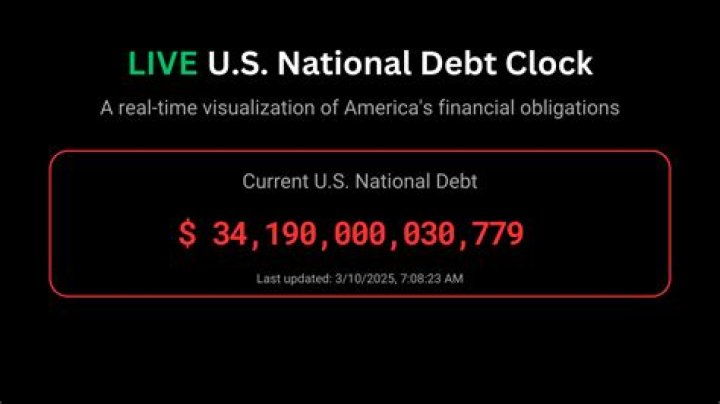
The US Dollar Debt Clock has become a critical tool for tracking the United States' growing national debt. As the government continues to borrow money to fund various initiatives, understanding the implications of this debt is more important than ever. The debt clock provides real-time updates on the total public debt outstanding, allowing citizens and policymakers to stay informed about the nation's financial health.
In recent years, the national debt has grown at an unprecedented rate, sparking concerns about its long-term effects on the economy. From interest payments to potential inflation, the consequences of mounting debt can be far-reaching. This article aims to provide a thorough understanding of the US Dollar Debt Clock and its significance in today's economic landscape.
Whether you're an economist, a student, or simply a curious citizen, this guide will walk you through the intricacies of the US national debt, its causes, and its potential impact on the future. Let's dive in and explore what the debt clock means for the United States and the global economy.
What is the US Dollar Debt Clock?
The US Dollar Debt Clock is a digital tool that provides real-time updates on the total public debt of the United States. This debt includes both intragovernmental debt (money owed to government accounts) and debt held by the public (money borrowed from individuals, businesses, and foreign entities). The clock serves as a visual representation of the growing national debt, often sparking discussions about fiscal responsibility and economic stability.
Initially created in 1989 by Seymour Durst, a New York real estate developer, the debt clock was first displayed on a billboard in Times Square. Since then, it has evolved into an online resource that millions of people access daily. The clock not only tracks the national debt but also highlights related statistics, such as the debt per taxpayer and the deficit per second.
How Does the Debt Clock Work?
- The debt clock uses data from the U.S. Treasury Department to calculate the total public debt.
- It updates in real-time, reflecting changes in the debt as they occur.
- Additional metrics, such as debt per capita and interest payments, are also displayed to provide context.
Understanding the mechanics of the debt clock is essential for grasping the magnitude of the national debt and its implications for the economy.
History of US National Debt
The history of the US national debt dates back to the nation's founding. In 1790, the United States had an initial debt of approximately $75 million, primarily stemming from the costs of the Revolutionary War. Over the years, the debt has fluctuated due to various factors, including wars, economic downturns, and government spending programs.
Key milestones in the history of the national debt include:
- World War II: The debt surged to finance the war effort, reaching over 100% of GDP by 1945.
- Great Recession (2008): The financial crisis led to significant government intervention, increasing the debt to over $10 trillion.
- Covid-19 Pandemic (2020): Emergency relief packages and economic stimulus measures caused the debt to surpass $28 trillion.
Each of these periods highlights the cyclical nature of the national debt and its connection to major historical events.
Current Statistics of the Debt Clock
As of 2023, the US national debt exceeds $31 trillion, a figure that continues to grow. Below are some key statistics related to the debt clock:
- Total Public Debt: Over $31 trillion
- Debt Per Taxpayer: Approximately $250,000
- Annual Interest Payments: Over $400 billion
These numbers underscore the urgency of addressing the national debt and its potential impact on future generations. For context, the debt-to-GDP ratio currently stands at around 120%, one of the highest levels in U.S. history.
Causes of the Rising National Debt
The rise in the national debt can be attributed to several factors:
1. Government Spending
Increased government expenditures on programs such as Social Security, Medicare, and defense contribute significantly to the debt. These programs often require more funding than the government collects in tax revenue.
2. Tax Cuts
Tax cuts implemented by various administrations have reduced government revenue, leading to higher deficits and increased borrowing. While these cuts can stimulate economic growth, they also exacerbate the debt in the short term.
3. Economic Downturns
Recessions and economic crises, such as the 2008 financial crisis and the 2020 pandemic, have necessitated large-scale government intervention, further adding to the debt.
Addressing these causes requires a balanced approach that considers both fiscal responsibility and economic growth.
Effects of National Debt on the Economy
The national debt can have both positive and negative effects on the economy:
Positive Effects
- Economic Stimulus: Government borrowing can fund infrastructure projects and social programs, boosting economic activity.
- Investment Opportunities: Treasury bonds issued to finance the debt provide investors with safe assets.
Negative Effects
- Interest Payments: High debt levels result in substantial interest payments, reducing funds available for other priorities.
- Inflation Risk: Excessive debt can lead to inflation if not managed properly.
Understanding these effects is crucial for policymakers and citizens alike as they consider strategies to manage the debt.
Global Impact of US Dollar Debt
The US Dollar Debt Clock has implications beyond the borders of the United States. As the world's largest economy, the U.S. debt affects global financial markets:
- Currency Fluctuations: High debt levels can influence the value of the dollar, impacting international trade.
- Investor Confidence: Perceptions of U.S. fiscal stability affect global investment decisions.
For example, foreign governments and investors holding U.S. Treasury bonds may reassess their portfolios if concerns about debt sustainability arise.
Potential Solutions to Manage Debt
Addressing the national debt requires a multifaceted approach:
1. Fiscal Responsibility
Implementing responsible fiscal policies, such as reducing unnecessary spending and increasing revenue through targeted taxation, can help stabilize the debt.
2. Economic Growth
Promoting economic growth can increase tax revenues and reduce the debt-to-GDP ratio. Investments in education, infrastructure, and innovation are key to achieving this goal.
3. Long-Term Planning
Developing long-term strategies to address demographic challenges, such as an aging population, can mitigate future debt increases.
Collaboration between policymakers, economists, and citizens is essential for implementing effective solutions.
Role of Federal Budget in Debt Management
The federal budget plays a critical role in managing the national debt. By prioritizing spending and revenue measures, the government can work towards reducing deficits and stabilizing the debt. Key strategies include:
- Implementing budget caps to limit spending growth.
- Reforming entitlement programs to ensure their long-term sustainability.
- Enhancing transparency and accountability in the budgeting process.
Public participation and oversight are vital for ensuring that the federal budget aligns with the nation's fiscal priorities.
Frequently Asked Questions About the Debt Clock
1. What is the difference between national debt and deficit?
The national debt represents the cumulative total of all past deficits, while the deficit refers to the annual shortfall between government spending and revenue.
2. Can the U.S. default on its debt?
While unlikely, the U.S. could theoretically default on its debt if Congress fails to raise the debt ceiling, limiting the government's ability to borrow funds.
3. How does inflation affect the debt?
Inflation can reduce the real value of the debt over time, but it can also lead to higher interest rates, increasing the cost of borrowing.
Conclusion and Call to Action
In conclusion, the US Dollar Debt Clock serves as a crucial tool for tracking the nation's financial health. Understanding the causes and effects of the national debt, as well as its global impact, is essential for addressing this pressing issue. By implementing responsible fiscal policies and promoting economic growth, the United States can work towards stabilizing its debt and ensuring a prosperous future.
We invite you to share your thoughts and questions in the comments section below. Additionally, feel free to explore other articles on our site for more insights into economics and finance. Together, we can foster a deeper understanding of the challenges and opportunities facing the global economy.
References: