What Are the British Royals Last Name? Unveiling the Royal Family's Surname
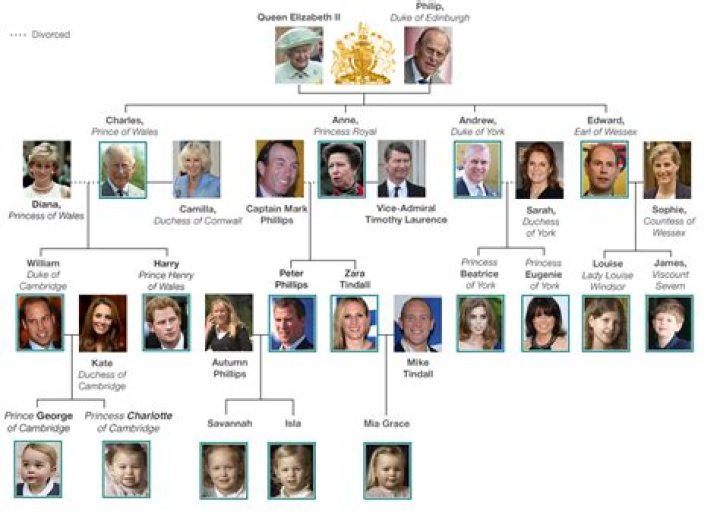
For centuries, the British Royal Family has been a symbol of tradition and heritage. Yet, one question often arises among royal enthusiasts: what are the British royals last name? The answer to this seemingly simple question is more complex than one might expect. The royal surname has evolved over the years, influenced by historical events, marriages, and royal proclamations.
The British Royal Family's last name is not as straightforward as it might seem. Unlike common families, the royals do not always use a surname in their official capacities. Instead, their names are often tied to their titles and the royal house they belong to. This article will delve into the fascinating history of the royal surname and provide clarity on this intriguing topic.
Understanding the surname of the British Royal Family is not just about knowing a name; it's about exploring the rich history and traditions that have shaped the monarchy. From the House of Windsor to the modern-day royals, this article will unravel the mystery behind the royal last name and its significance.
The History of the British Royal Surname
Before the early 20th century, the British Royal Family did not have a specific surname. Instead, they were known by the name of their royal house, which was typically derived from the father's duchy or territory. For example, the House of Hanover and the House of Saxe-Coburg and Gotha were names associated with the royal lineage.
In 1917, during World War I, King George V made a significant decision to change the royal house name from Saxe-Coburg and Gotha to Windsor. This change was driven by anti-German sentiment in Britain at the time, as the original name had German origins. The new name, Windsor, was inspired by the historic Windsor Castle, one of the royal family's residences.
Why the Name Change Was Necessary
- Anti-German sentiment during World War I made the previous name unpopular.
- Windsor was chosen to reflect British heritage and identity.
- The name change helped strengthen the royal family's connection to the British public.
Why the Royal Family Chose the Name Windsor
The decision to adopt the surname Windsor was not arbitrary. It was a strategic move to align the monarchy with British nationalism and distance itself from its German roots. Windsor Castle, one of the oldest and most iconic royal residences, served as the inspiration for the new name. This decision was officially announced in a royal proclamation in 1917.
Since then, the name Windsor has become synonymous with the British Royal Family. However, the use of the surname is not universal across all members of the royal family, as we will explore in later sections.
The Symbolism of Windsor
- Windsor represents stability and tradition.
- The name is deeply rooted in British history and culture.
- It reflects the monarchy's commitment to serving the British people.
When and How the Royal Surname Is Used
While the surname Windsor is officially recognized, it is not commonly used in everyday life by members of the royal family. Instead, royals are usually known by their titles, such as "Prince William, Duke of Cambridge" or "Queen Elizabeth II." The use of surnames is reserved for specific occasions, such as military service or legal documents.
For example, when Prince Harry served in the British Army, he used the surname "Windsor" to identify himself. Similarly, royal children may use their surname in school settings or other non-official capacities.
Exceptions to the Rule
- Royals use their surname in military contexts.
- School records and legal documents may require the use of a surname.
- Some members of the royal family use a hyphenated surname, as we will discuss later.
The Mountbatten-Windsor Name
In 1960, Queen Elizabeth II issued a royal proclamation that introduced a new surname for the descendants of Prince Philip and herself. The name "Mountbatten-Windsor" was created to honor Prince Philip's family name, Mountbatten, while maintaining the Windsor tradition. This decision was made to reflect the equal contribution of both sides of the royal family.
However, the use of Mountbatten-Windsor is not mandatory. Members of the royal family may choose to use either Windsor or Mountbatten-Windsor, depending on the context.
Significance of Mountbatten-Windsor
- It honors both the British and Greek-Danish heritage of the royal family.
- The name reflects the union between Queen Elizabeth II and Prince Philip.
- It provides flexibility for royal descendants to choose their preferred surname.
Royal Titles vs. Surnames
One of the most common misconceptions about the British Royal Family is the assumption that their titles are equivalent to surnames. In reality, titles like "Duke of Cambridge" or "Princess of Wales" are formal designations that denote rank and position within the monarchy. These titles are used in official capacities and are distinct from the family surname.
For example, Prince William is known as the Duke of Cambridge in his official role, but his surname remains Windsor or Mountbatten-Windsor, depending on the context.
How Titles Are Granted
- Royal titles are bestowed by the monarch and are usually associated with specific regions or historical significance.
- Titles can be inherited or created anew for specific individuals.
- The use of titles reinforces the hierarchical structure of the monarchy.
How the Royal Family Uses Surnames in Daily Life
In everyday life, members of the royal family rarely use their surnames. Instead, they are addressed by their titles or first names, depending on the setting. For example, Prince George of Cambridge is simply "George" to his family and close friends. Similarly, Queen Elizabeth II is often referred to as "Ma'am" by her staff and "Granny" by her grandchildren.
However, there are situations where surnames become necessary, such as in educational or professional settings. In these cases, the surname Windsor or Mountbatten-Windsor is used to identify the individual.
Examples of Surname Use in Daily Life
- School records may require the use of a surname for royal children.
- Royal family members serving in the military use their surnames for identification.
- Legal documents, such as passports, may include the royal surname.
Interesting Facts About the Royal Surname
The history of the British Royal Family's surname is filled with fascinating details and little-known facts. Here are some intriguing insights:
- The name Windsor was chosen to reflect British identity during a time of national crisis.
- Queen Elizabeth II's decision to adopt Mountbatten-Windsor was a gesture of respect for her husband's heritage.
- Some members of the royal family have chosen to use their surname in creative ways, such as Prince Harry and Meghan Markle naming their foundation "Archewell," a combination of their names.
Lesser-Known Details
- The royal surname is not legally required in most situations.
- Royal descendants may choose to use their mother's maiden name as a surname in certain cases.
- The surname Windsor is rarely used in public appearances or official events.
Frequently Asked Questions About the Royal Surname
Here are some common questions and answers about the British Royal Family's surname:
- What is the British Royal Family's last name? The official surname is Windsor, although some members use Mountbatten-Windsor.
- Why did the royal family change its name to Windsor? To reflect British heritage and distance itself from German roots during World War I.
- Do all members of the royal family use the surname Windsor? No, some use Mountbatten-Windsor or their titles instead.
The Cultural and Historical Significance of the Royal Surname
The surname of the British Royal Family is more than just a name; it is a reflection of the monarchy's history, traditions, and evolving identity. From the House of Windsor to the modern-day use of Mountbatten-Windsor, the royal surname has played a crucial role in shaping public perception of the monarchy.
Understanding the significance of the royal surname provides insight into the monarchy's commitment to preserving its heritage while adapting to changing times. It also highlights the importance of names in defining identity and connecting people to their roots.
Preserving Royal Heritage
- The surname Windsor is a symbol of British tradition and continuity.
- Mountbatten-Windsor reflects the monarchy's ability to evolve and embrace new influences.
- The use of surnames in everyday life underscores the human side of the royal family.
Conclusion
In conclusion, the question "What are the British royals last name?" is not as simple as it seems. The surname of the British Royal Family has evolved over time, reflecting historical events, royal decisions, and cultural shifts. From the adoption of Windsor in 1917 to the creation of Mountbatten-Windsor in 1960, the royal surname continues to play a vital role in defining the monarchy's identity.
We encourage you to explore more about the British Royal Family and their rich history. Share your thoughts in the comments below, and don't forget to check out our other articles on royal topics. By understanding the significance of the royal surname, we gain a deeper appreciation for the traditions and values that have shaped the monarchy for centuries.