What Does Abduction Involve: A Comprehensive Guide to Understanding Abduction
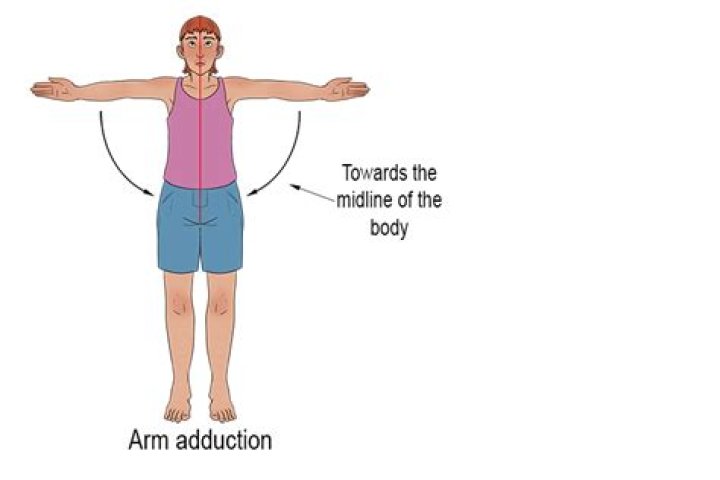
Abduction is a complex and deeply concerning issue that affects individuals and communities worldwide. It involves the unlawful taking or carrying away of an individual without their consent. The impact of abduction can be devastating, not only for the victims but also for their families and society as a whole. Understanding the intricacies of abduction is crucial for raising awareness and implementing preventive measures.
In this article, we will delve into what abduction involves, its various forms, and the legal, psychological, and social implications. By exploring this topic, we aim to equip readers with the knowledge necessary to identify potential risks and protect themselves and their loved ones.
Our discussion will cover the legal definitions, types of abductions, the psychological effects on victims, and the role of law enforcement and community in addressing this issue. Let’s begin by examining the basics of abduction and why it is a critical concern in today’s world.
What is Abduction?
Abduction refers to the act of taking someone away by force, fraud, or threat, often against their will. This can occur in various contexts and under different circumstances. The term is commonly associated with kidnapping, but it also encompasses child abduction, human trafficking, and other forms of unlawful removal.
Abduction is a violation of human rights and is considered a serious criminal offense in most jurisdictions. Understanding the legal definition and the nuances of abduction is essential for recognizing its signs and taking appropriate actions.
Key Characteristics of Abduction
- Unlawful removal of an individual
- Use of force, threat, or deception
- Often involves holding the victim against their will
- Can occur in both domestic and international contexts
Types of Abduction
Abduction takes many forms, each with its own set of circumstances and implications. Below are some common types of abductions:
1. Child Abduction
Child abduction involves the unlawful taking of a child, often by a parent or a stranger. This can occur within the family or by an unrelated individual. The motivations behind child abductions vary, including custody disputes or the intention to exploit the child.
2. Kidnapping
Kidnapping is a form of abduction where the victim is held for ransom or as leverage for some other demand. This type of abduction often involves criminal organizations and can result in severe consequences for the victim and their family.
3. Human Trafficking
Human trafficking is a form of modern-day slavery where individuals are abducted and exploited for labor or sexual purposes. It is a global issue affecting millions of people, particularly women and children.
Legal Perspective on Abduction
From a legal standpoint, abduction is treated as a serious crime with severe penalties. Laws governing abduction vary by country, but most legal systems classify it as a felony. The penalties for abductors can include lengthy prison sentences, fines, and, in some cases, the death penalty.
International laws and treaties, such as the Hague Convention on Intercountry Adoption, aim to address cross-border abductions and provide frameworks for resolving such cases.
Psychological Impact on Victims
The psychological effects of abduction can be profound and long-lasting. Victims often experience trauma, anxiety, depression, and post-traumatic stress disorder (PTSD). The fear and uncertainty during the abduction, coupled with the loss of control, can lead to significant mental health challenges.
Support services, including counseling and therapy, are crucial for helping victims recover and reintegrate into society.
Common Psychological Effects
- Trauma and anxiety
- Depression and PTSD
- Loss of trust and confidence
- Social withdrawal
Abduction Statistics
Data and statistics provide valuable insights into the prevalence and nature of abduction. According to the National Crime Information Center (NCIC), there were over 400,000 missing person reports in the United States in 2020 alone. While not all missing person cases involve abduction, a significant number do.
Globally, human trafficking remains a major concern, with the International Labour Organization (ILO) estimating that approximately 25 million people are victims of forced labor and human trafficking.
Key Statistics
- Approximately 800,000 children are reported missing in the U.S. each year
- Human trafficking generates billions of dollars annually in illegal profits
- Women and children are the most vulnerable groups
Preventing Abduction
Preventing abduction requires a multi-faceted approach involving education, awareness, and community involvement. Parents, educators, and law enforcement agencies play critical roles in educating children and the public about potential risks and safety measures.
Teaching children about stranger danger, establishing open lines of communication, and encouraging them to report suspicious activities are effective strategies for prevention.
Preventive Measures
- Teaching children about personal safety
- Implementing community watch programs
- Using technology for tracking and monitoring
- Encouraging public awareness campaigns
Role of Law Enforcement
Law enforcement agencies are at the forefront of combating abduction. They investigate cases, apprehend perpetrators, and work with other organizations to recover victims. Advanced technologies, such as facial recognition and GPS tracking, have enhanced their ability to respond quickly and effectively.
Collaboration between local, national, and international law enforcement agencies is vital for addressing cross-border abductions and human trafficking.
Community Involvement in Abduction Prevention
Community involvement is essential for creating a safer environment and reducing the incidence of abduction. Neighborhood watch programs, public awareness campaigns, and educational initiatives can empower individuals to recognize and report suspicious activities.
Community support is also crucial for helping victims recover and reintegrate into society. By fostering a sense of unity and vigilance, communities can play an active role in preventing abduction.
Long-Term Effects of Abduction
The long-term effects of abduction extend beyond the immediate psychological and physical impacts. Victims may struggle with trust issues, social interactions, and maintaining relationships. Families of victims also experience emotional and financial burdens as they cope with the aftermath of abduction.
Rehabilitation programs, support groups, and counseling services are vital for addressing these long-term effects and promoting healing.
Conclusion
In conclusion, understanding what abduction involves is crucial for raising awareness and implementing preventive measures. From its various forms to its legal and psychological implications, abduction is a complex issue that affects individuals and communities worldwide.
We encourage readers to take an active role in preventing abduction by staying informed, educating others, and supporting victims. By working together, we can create a safer world for everyone. We invite you to share this article, leave your thoughts in the comments, and explore other resources on our site.