What Does NAACP Stand For? Understanding the Mission and Impact of the NAACP
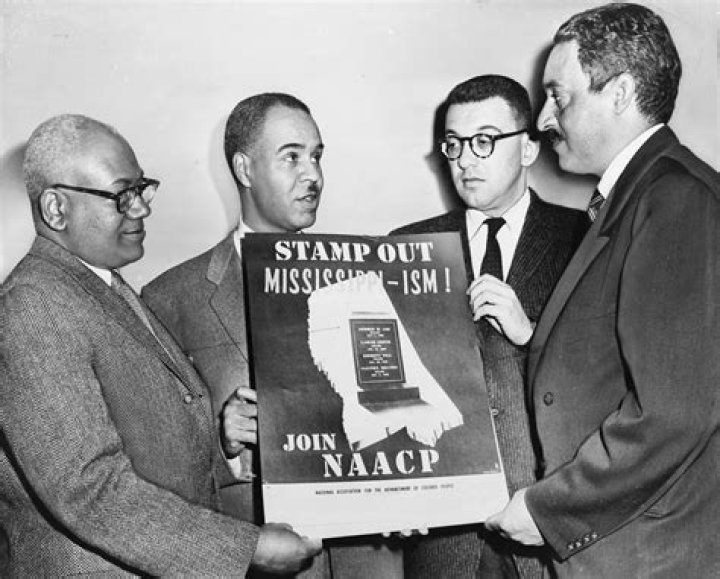
The NAACP is one of the most influential civil rights organizations in the United States. Founded over a century ago, it has played a pivotal role in advocating for racial justice and equality. If you're wondering what NAACP stands for, this article will provide a comprehensive overview of its history, mission, and ongoing efforts to fight for social justice.
In a world where issues of racial inequality continue to dominate headlines, understanding organizations like the NAACP is more important than ever. This article will delve into the meaning behind the acronym and explore how the NAACP continues to shape the fight for civil rights in America.
From its humble beginnings to its status as a global symbol of justice, the NAACP remains at the forefront of advocating for marginalized communities. Join us as we uncover the significance of the NAACP and its enduring legacy in promoting equality for all.
History of the NAACP
The National Association for the Advancement of Colored People (NAACP) was founded on February 12, 1909, in New York City. This historic date marks the centennial of President Abraham Lincoln's birth, making it a symbolic moment in the fight for civil rights. The organization was established in response to the horrific practice of lynching and the widespread racial discrimination that plagued the United States at the time.
Early Years
In its early years, the NAACP focused on addressing issues such as voting rights, education, and criminal justice reform. The organization quickly gained momentum, attracting prominent figures from various walks of life who were committed to advancing racial equality. By leveraging legal strategies and public advocacy, the NAACP began to challenge systemic racism in courts and communities across the nation.
Key Milestones
- 1910: The Crisis, the official magazine of the NAACP, was launched under the editorship of W.E.B. Du Bois.
- 1954: The landmark Brown v. Board of Education Supreme Court decision, which declared segregation in public schools unconstitutional, was a result of NAACP litigation efforts.
- 1964: The Civil Rights Act, a major legislative victory, was achieved with significant contributions from the NAACP.
Mission and Objectives
The mission of the NAACP is to ensure the political, educational, social, and economic equality of rights of all persons and to eliminate race-based discrimination. This mission is underpinned by a commitment to fostering an inclusive society where everyone has the opportunity to thrive.
Core Objectives
- Promoting civil rights through education and advocacy.
- Advancing legislation that supports racial equality.
- Providing legal assistance to victims of racial discrimination.
What Does NAACP Stand For?
NAACP stands for the National Association for the Advancement of Colored People. The organization's name reflects its mission to uplift marginalized communities and promote equality for all people of color. While the term "colored people" may seem outdated by today's standards, it was widely used during the early 20th century and continues to be embraced by the NAACP as a symbol of its historical roots.
Why the Name Matters
The name NAACP encapsulates the organization's dedication to advancing the rights of people of color in America. It serves as a reminder of the struggles faced by African Americans and other minority groups throughout history. By retaining this name, the NAACP honors its legacy while continuing to push for progress in the modern era.
Biography of Key Figures
The NAACP has been shaped by the contributions of numerous influential individuals who have dedicated their lives to the cause of civil rights. Below is a brief biography of some of the key figures associated with the organization.
W.E.B. Du Bois
W.E.B. Du Bois was a prominent sociologist, writer, and civil rights activist who played a pivotal role in the founding of the NAACP. As the editor of The Crisis, he used his platform to highlight issues of racial injustice and advocate for change.
| Full Name | William Edward Burghardt Du Bois |
|---|---|
| Birth Date | February 23, 1868 |
| Death Date | August 27, 1963 |
| Notable Works | "The Souls of Black Folk," "Black Reconstruction in America" |
Impact on Civil Rights
The NAACP has had a profound impact on the civil rights movement in the United States. Through its tireless efforts, the organization has achieved numerous victories that have shaped the course of history.
Judicial Successes
One of the most significant achievements of the NAACP has been its success in the courtroom. The organization has been instrumental in landmark cases such as Brown v. Board of Education, which dismantled the legal framework of segregation in public schools. These victories have paved the way for broader societal changes and set precedents for future civil rights litigation.
NAACP Programs and Initiatives
Today, the NAACP continues to operate a wide range of programs and initiatives aimed at addressing contemporary issues of racial inequality. These programs focus on areas such as education, economic empowerment, and criminal justice reform.
Education Programs
- NAACP ACT-SO (Afro-Academic, Cultural, Technological and Scientific Olympics): Encourages academic and cultural achievement among African American youth.
- College Bound Scholarships: Provides financial assistance to students pursuing higher education.
Challenges Faced by the NAACP
Despite its many successes, the NAACP faces numerous challenges in its ongoing fight for civil rights. Issues such as systemic racism, voter suppression, and economic inequality continue to persist, requiring sustained effort and innovation from the organization.
Contemporary Challenges
- Racial profiling and police brutality.
- Disparities in healthcare and education.
- Legislative rollbacks on voting rights.
The Future of the NAACP
As the NAACP looks to the future, it remains committed to its mission of promoting equality and justice for all. The organization continues to adapt to changing societal dynamics, leveraging technology and grassroots activism to amplify its impact.
Strategic Priorities
- Expanding voter engagement initiatives.
- Promoting economic empowerment through job training and entrepreneurship programs.
- Advocating for criminal justice reform at the national and local levels.
How to Support the NAACP
There are many ways to support the NAACP in its mission to advance civil rights. Whether through donations, volunteering, or advocacy, everyone can play a role in promoting equality and justice for all.
Ways to Get Involved
- Donate to the NAACP to support its programs and initiatives.
- Volunteer with local NAACP chapters to participate in community outreach efforts.
- Advocate for policies that promote racial equality and social justice.
Conclusion
The NAACP has been a cornerstone of the civil rights movement in the United States, advocating for racial justice and equality for over a century. Understanding what NAACP stands for is essential in recognizing the organization's enduring impact on society. From its early victories in the courtroom to its ongoing efforts to address contemporary issues of racial inequality, the NAACP remains a powerful force for change.
We invite you to take action by supporting the NAACP and spreading awareness about its mission. Whether through donations, volunteering, or simply sharing this article, you can help ensure that the fight for civil rights continues to thrive. Together, we can create a more just and equitable society for all.
For further reading, explore other articles on our website that delve into related topics such as civil rights, social justice, and advocacy. Your engagement and support are crucial in making a difference.