What Generation is Y? Exploring the Characteristics and Impact of Generation Y
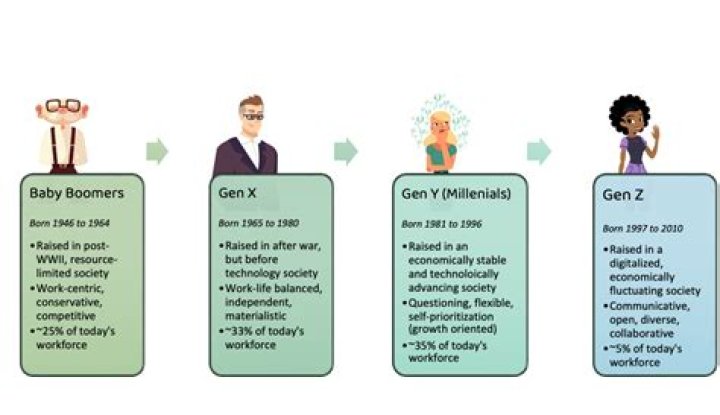
Generation Y, commonly known as Millennials, represents a pivotal demographic in today's society. This generation, born between 1981 and 1996, has significantly influenced global trends, technology adoption, and cultural shifts. Understanding Generation Y is crucial for businesses, policymakers, and individuals seeking to engage with this dynamic group.
As we delve into the world of Generation Y, it becomes evident that their values, behaviors, and preferences have reshaped numerous aspects of modern life. From workplace dynamics to consumer habits, Millennials have left an indelible mark on society. This article aims to provide a comprehensive overview of Generation Y, exploring their defining characteristics and contributions.
This exploration will also highlight how Generation Y's influence extends beyond cultural trends into economic and technological advancements. By understanding this generation's unique qualities, we can better appreciate their role in shaping the future. Let's dive deeper into the world of Millennials and uncover what makes them such a transformative force.
Defining Generation Y
Generation Y, also referred to as Millennials, is a demographic cohort that follows Generation X and precedes Generation Z. This generation is typically defined as individuals born between 1981 and 1996. The term "Millennials" was coined by Neil Howe and William Strauss, who are renowned for their generational theory. This generation grew up during a period of rapid technological advancement and significant social change.
Historical Context of Generation Y
The historical backdrop of Generation Y is marked by key events such as the rise of the internet, the dot-com boom, and the events of September 11, 2001. These events shaped the worldview and values of Millennials, making them a generation that values adaptability, innovation, and global connectivity.
According to a report by the Pew Research Center, Millennials are the most ethnically diverse generation in the United States, reflecting a broader trend of increasing diversity in many parts of the world. This diversity contributes to their open-mindedness and acceptance of different cultures and perspectives.
Demographics of Generation Y
The demographics of Generation Y reveal a generation that is large in number and influential in many ways. With approximately 72 million Millennials in the United States alone, this generation constitutes a significant portion of the workforce and consumer market.
Global Distribution of Generation Y
- Millennials make up about 22% of the global population.
- They are the largest generation in many countries, including the United States and Canada.
- In developing nations, Millennials often represent a younger, more tech-savvy segment of the population.
Data from the United Nations indicates that Millennials are more urbanized than previous generations, with a higher percentage living in cities and metropolitan areas. This urbanization has influenced their lifestyle choices and career preferences.
Key Characteristics of Generation Y
Generation Y is characterized by a set of unique traits that distinguish them from other generations. These traits include a strong affinity for technology, a desire for work-life balance, and a commitment to social causes.
Technological Proficiency
Milennials are often referred to as "digital natives" due to their early exposure to technology. They grew up with the internet, smartphones, and social media, which has shaped their communication styles and information consumption habits.
Work-Life Balance
Unlike previous generations, Millennials prioritize work-life balance. They value flexibility in the workplace and seek employers who offer remote work options and family-friendly policies.
Generation Y and Technology
The relationship between Generation Y and technology is profound and multifaceted. Millennials have embraced digital tools and platforms, using them to enhance their personal and professional lives.
Impact on Communication
Social media platforms like Facebook, Instagram, and Twitter have become integral to how Millennials communicate and share information. These platforms have transformed the way they interact with friends, family, and colleagues.
Research from the Pew Research Center shows that 88% of Millennials use social media, making it a primary source of news and entertainment for this generation.
Workplace Trends Shaped by Generation Y
Generation Y has significantly influenced workplace trends, advocating for changes that promote inclusivity, innovation, and employee well-being.
Flexible Work Arrangements
Milennials have championed flexible work arrangements, including remote work and flexible hours. Employers who adopt these policies often see increased productivity and employee satisfaction.
Innovation and Collaboration
This generation values collaboration and innovation, preferring workplaces that encourage teamwork and creative problem-solving. Companies that foster these environments tend to attract and retain Millennial talent.
Consumer Behavior of Millennials
As consumers, Millennials exhibit distinct preferences and behaviors that impact market trends and business strategies.
Sustainability and Ethics
Milennials are more likely to support companies that prioritize sustainability and ethical practices. They are willing to pay more for products and services that align with their values.
Digital Shopping
With their affinity for technology, Millennials are heavy users of e-commerce platforms. They prefer online shopping for its convenience and variety of options.
Societal Impact of Generation Y
Generation Y's influence extends beyond the workplace and consumer markets, impacting societal norms and values.
Advocacy for Social Causes
Milennials are active advocates for social causes, including environmental protection, gender equality, and racial justice. Their activism is often amplified through social media, reaching a global audience.
According to a study by Nielsen, 73% of Millennials are willing to spend more on products from companies committed to social responsibility.
Challenges Faced by Generation Y
Despite their many accomplishments, Millennials face several challenges that affect their well-being and future prospects.
Economic Pressures
Milennials entered the workforce during the Great Recession, which has impacted their financial stability and career trajectories. Many face significant student loan debt and struggle to achieve homeownership.
Mental Health Concerns
Studies indicate that Millennials experience higher rates of anxiety and depression compared to previous generations. The pressures of social media and societal expectations contribute to these mental health challenges.
The Future of Generation Y
As Generation Y continues to mature, their influence will shape the future in numerous ways. Their values and priorities will guide societal changes and technological advancements.
Leadership Roles
Milennials are increasingly taking on leadership roles in various sectors, bringing fresh perspectives and innovative ideas to the table. Their leadership style emphasizes collaboration and inclusivity.
Technological Advancements
This generation's embrace of technology will drive further innovation, particularly in areas such as artificial intelligence, renewable energy, and digital health solutions.
Conclusion and Call to Action
In conclusion, Generation Y, or Millennials, represents a dynamic and influential demographic that has reshaped modern society. Their values, behaviors, and preferences have transformed workplace dynamics, consumer markets, and societal norms. Understanding this generation is essential for anyone seeking to engage effectively with them.
We invite you to share your thoughts and experiences related to Generation Y in the comments section below. Additionally, explore other articles on our site to learn more about generational trends and their impact on society. Together, let's continue the conversation and work towards a brighter future for all generations.