What Happens to Fillers Over Time: A Comprehensive Guide
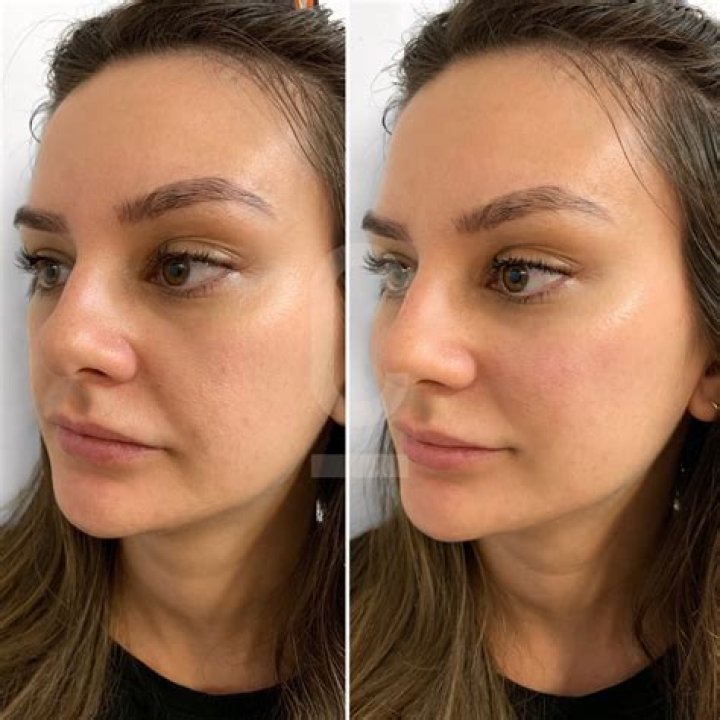
Fillers have become an increasingly popular option in the world of cosmetic enhancements, offering a non-surgical way to rejuvenate the skin and restore youthful contours. But what exactly happens to these fillers over time? Understanding their lifespan and effects is crucial for anyone considering this treatment. This article delves into the science behind fillers, their longevity, and the factors that influence their performance.
As we age, our skin naturally loses volume and elasticity, leading to fine lines, wrinkles, and facial sagging. Dermal fillers provide a solution by adding volume and smoothing out these imperfections. However, it's important to know that fillers are not permanent and undergo changes as time progresses.
In this guide, we will explore everything you need to know about what happens to fillers over time, including their absorption process, potential side effects, and how to maintain optimal results. Whether you're a first-time filler user or someone seeking to understand more about this treatment, this article is your go-to resource.
Introduction to Fillers
Dermal fillers are injectable substances used to restore volume and enhance facial features. They are primarily composed of hyaluronic acid (HA), calcium hydroxylapatite, poly-L-lactic acid, or autologous fat. These materials are biocompatible, meaning they are safe for use in the body.
Why Use Fillers?
Fillers address a variety of aesthetic concerns, including:
- Fine lines and wrinkles
- Lip augmentation
- Cheek contouring
- Facial volume loss
Types of Fillers
Not all fillers are created equal. Different types cater to specific needs and areas of the face. Below are the most common types:
Hyaluronic Acid Fillers
These are the most widely used fillers due to their natural composition and reversibility. Popular brands include Juvederm, Restylane, and Belotero.
Calcium Hydroxylapatite Fillers
Often used for deeper lines and contouring, these fillers stimulate collagen production over time. Radiesse is a well-known brand in this category.
Poly-L-Lactic Acid Fillers
These work by gradually stimulating collagen production, providing long-lasting results. Sculptra is the leading product in this class.
How Fillers Work
Fillers function by replenishing lost volume in the skin. Hyaluronic acid, for instance, binds to water molecules, creating a plumping effect. Over time, the body naturally breaks down these substances, requiring touch-ups to maintain results.
Filler Lifespan
The longevity of fillers varies depending on the type used and the treated area. On average, hyaluronic acid fillers last 6 to 12 months, while calcium hydroxylapatite and poly-L-lactic acid fillers can last up to 18 to 24 months.
Factors Influencing Lifespan
Several factors can affect how long fillers last:
- Filler type: As mentioned, some fillers naturally last longer than others.
- Treatment area: Areas with more movement, such as the lips, may cause fillers to break down faster.
- Metabolism: Individuals with faster metabolisms may absorb fillers more quickly.
Factors Affecting Filler Lifespan
Understanding the factors that influence filler longevity can help patients manage expectations and plan for follow-up treatments. Below are some additional considerations:
Individual Physiology
Each person's body chemistry is unique. Some individuals may experience faster filler absorption due to genetic factors or lifestyle habits.
Injection Technique
The skill and technique of the injector play a significant role in filler performance. Proper placement ensures optimal results and longevity.
What Happens to Fillers Over Time?
As time progresses, fillers undergo a natural breakdown process. Hyaluronic acid, for example, is gradually absorbed by the body, while other materials stimulate collagen production before dissolving.
The Absorption Process
Fillers break down in stages:
- Initial swelling and settling
- Gradual degradation
- Final absorption and elimination
Potential Side Effects of Fillers Over Time
While fillers are generally safe, some side effects may occur as they break down. These include:
- Temporary bruising or swelling
- Asymmetry or lumpiness
- Rare complications like granulomas
Maintaining Filler Results
To prolong filler effects, patients should:
- Follow post-treatment care instructions
- Avoid excessive sun exposure
- Schedule regular maintenance sessions
Expert Advice on Fillers
Consulting with a qualified dermatologist or cosmetic surgeon is essential for achieving the best results. Experts recommend:
- Selecting reputable clinics and licensed professionals
- Discussing realistic expectations and goals
- Understanding the risks and benefits of treatment
Conclusion
Fillers offer a safe and effective way to enhance facial features and combat signs of aging. However, understanding what happens to fillers over time is key to managing expectations and maintaining results. By choosing the right filler, following proper care, and working with experienced professionals, patients can enjoy long-lasting and natural-looking outcomes.
Leave a comment below if you have any questions or share this article with others who may benefit from this information. For more insights on skincare and cosmetic treatments, explore our other articles on the website.