What is a Dry Sense of Humor? Discover the Art of Subtle Wit
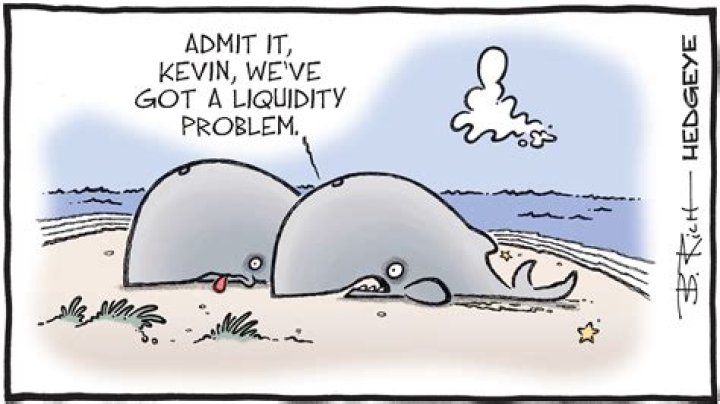
What is a dry sense of humor? If you've ever found yourself chuckling at someone's seemingly serious statements or appreciating humor that doesn't rely on exaggerated expressions or loud laughter, you're likely encountering a dry sense of humor. This unique style of comedy thrives on understatement, calm delivery, and clever wordplay. It often leaves listeners wondering if the speaker was joking at all, adding an intriguing layer of complexity to communication.
A dry sense of humor is not about timing or punchlines but rather about creating a subtle, intellectual connection with the audience. Unlike slapstick or overtly humorous styles, this form of wit requires an attentive listener who can pick up on the nuances of the joke. It's the kind of humor that resonates deeply, often long after the moment has passed.
People with a dry sense of humor are often seen as witty, intelligent, and composed. Their ability to deliver humor subtly makes them stand out in conversations and social settings. As we delve deeper into this topic, you'll learn what defines this humor style, how it differs from others, and why it's so appealing to many.
Understanding the Basics of a Dry Sense of Humor
Defining Dry Humor
A dry sense of humor, also known as dry wit, is a style of comedy that relies on minimalism and understatement. Instead of relying on exaggerated expressions or loud laughter, dry humor uses calm delivery and subtle wordplay to create comedic effect. The humor is often indirect, leaving the audience to piece together the joke themselves.
For instance, imagine someone saying, "I'm on a seafood diet. I see food, and I eat it," with a straight face. The humor lies in the unexpected twist of the phrase, delivered without any visible sign of amusement. This is a classic example of dry humor.
Key Characteristics of Dry Humor
Here are some defining characteristics of a dry sense of humor:
- Subtlety: The humor is often understated and requires the listener to pay close attention.
- Delivery: It’s delivered with a straight face, without the usual cues of laughter or exaggerated gestures.
- Intellectual Wit: Dry humor often involves clever wordplay or unexpected twists that challenge the listener's thinking.
- Minimalism: It doesn't rely on elaborate setups or punchlines but instead focuses on simplicity and clarity.
These traits make dry humor both challenging and rewarding to deliver and appreciate.
What Makes Dry Humor Unique?
Dry humor stands apart from other forms of comedy due to its distinctive approach. Unlike slapstick humor, which relies on physical comedy, or sarcasm, which often involves criticism, dry humor thrives on subtlety and cleverness. It’s a style that demands both intelligence from the speaker and attentiveness from the audience.
One of the reasons dry humor is so unique is its ability to transcend cultural and linguistic barriers. While some forms of comedy rely heavily on cultural references or language-specific puns, dry humor often uses universal themes and ideas that can be understood by a wide audience.
How Does Dry Humor Differ from Other Types of Humor?
Comparison with Sarcasm
While both dry humor and sarcasm involve clever wordplay, they differ significantly in tone and intent. Sarcasm often carries a biting edge, intended to criticize or mock, whereas dry humor is more neutral and focuses on creating amusement. For example, a sarcastic comment might be, "Oh great, another meeting. Just what I needed," while a dry humor equivalent could be, "I guess we'll have to endure another meeting today."
Contrast with Slapstick Comedy
Slapstick comedy relies on physical humor and exaggerated expressions to elicit laughter. In contrast, dry humor avoids physical antics altogether, focusing instead on the power of words and delivery. While slapstick can be universally understood due to its visual nature, dry humor requires a more engaged listener to fully appreciate its subtleties.
Why is Dry Humor Appealing?
People are drawn to dry humor for several reasons. First, it exudes intelligence and wit, making those who use it appear more sophisticated and composed. Second, its subtlety adds a layer of mystery and intrigue, keeping the audience engaged and curious. Finally, dry humor often resonates on a deeper level, providing lasting amusement rather than fleeting laughter.
Research has shown that individuals who appreciate dry humor tend to have higher cognitive abilities and a greater capacity for abstract thinking. This makes dry humor not just a form of entertainment but also a way to connect with like-minded individuals.
Examples of Dry Humor in Popular Culture
Characters Known for Dry Humor
Popular culture is filled with characters who embody the essence of dry humor. One such character is Sheldon Cooper from "The Big Bang Theory." Sheldon's ability to deliver witty, intellectual jokes with a straight face has made him a fan favorite. Another example is Benedict Cumberbatch's portrayal of Sherlock Holmes, where his character often uses dry humor to deflect or engage with others.
Famous Comedians with Dry Wits
Many comedians are renowned for their dry sense of humor. Stephen Fry, for instance, is known for his ability to make audiences laugh without raising his voice or breaking character. Similarly, Tina Fey's quick-witted comments and deadpan delivery have earned her a reputation as one of the sharpest comedians in the industry.
How to Develop a Dry Sense of Humor
Practicing Subtlety
Developing a dry sense of humor requires practice and patience. Start by observing how others use dry humor in conversations. Pay attention to their tone, delivery, and choice of words. Try incorporating similar techniques into your own speech, but remember to keep it natural and unforced.
Improving Wordplay Skills
Wordplay is a crucial component of dry humor. To enhance your skills, read widely and engage in activities that challenge your vocabulary and creativity. Crossword puzzles, word games, and even writing short stories can help sharpen your ability to craft clever phrases and unexpected twists.
Common Misconceptions About Dry Humor
Despite its popularity, dry humor is often misunderstood. One common misconception is that it’s synonymous with sarcasm, which, as we’ve discussed, is not true. Another misconception is that dry humor is inaccessible or too intellectual for the average person. In reality, anyone can appreciate dry humor with the right mindset and attention.
Additionally, some people believe that dry humor requires a certain personality type, such as being naturally introverted or intellectual. While these traits can enhance one’s ability to use dry humor effectively, they are not prerequisites. With practice and observation, anyone can develop this skill.
Benefits of Having a Dry Sense of Humor
Having a dry sense of humor offers numerous benefits. It can enhance social interactions by making you more engaging and memorable. It also demonstrates intelligence and wit, qualities that are often admired in social and professional settings. Furthermore, dry humor can help alleviate stress and tension in difficult situations by providing a light-hearted perspective.
Research has shown that humor, in general, can improve mental health and well-being. Dry humor, in particular, can foster deeper connections with others, as it requires mutual understanding and attentiveness. This makes it an effective tool for building relationships and strengthening bonds.
Challenges of Using Dry Humor
While dry humor has many advantages, it also comes with challenges. One of the main difficulties is ensuring that your audience understands the joke. Since dry humor relies heavily on subtlety and cleverness, it can sometimes go over people’s heads. Additionally, cultural differences and language barriers can make it harder to convey dry humor effectively.
Another challenge is maintaining the right balance between humor and seriousness. Overusing dry humor can make you appear aloof or disinterested, while underusing it may fail to engage your audience. Finding the sweet spot requires practice and sensitivity to your surroundings.
Conclusion: Embrace the Power of Dry Humor
In conclusion, a dry sense of humor is a unique and powerful form of comedy that thrives on subtlety, intelligence, and cleverness. It sets itself apart from other forms of humor through its minimalist approach and ability to create lasting amusement. By understanding its characteristics, practicing its techniques, and appreciating its nuances, anyone can develop and enjoy this art form.
We encourage you to try incorporating dry humor into your daily conversations. Share your experiences and thoughts in the comments below. If you enjoyed this article, don’t forget to share it with your friends and explore other articles on our site. Together, let’s celebrate the joy of humor in all its forms!
References
For further reading and exploration of dry humor, consider checking out the following resources:
- Psychology Today - Articles on humor and its impact on mental health.
- HuffPost - Insights into popular culture and humor trends.
- ScienceDirect - Research papers on cognitive aspects of humor.