What is Acadia National Park Known For? Exploring the Beauty of Maine's Crown Jewel
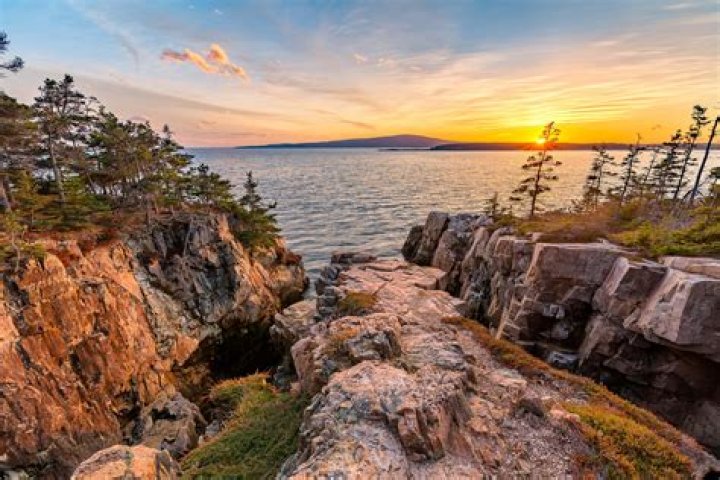
Acadia National Park, located on Mount Desert Island in Maine, is a breathtaking destination renowned for its stunning natural landscapes, diverse wildlife, and rich cultural history. This iconic national park draws millions of visitors each year who come to experience its rugged coastline, granite peaks, and pristine forests. As one of the most visited national parks in the United States, Acadia offers something for everyone, from outdoor adventurers to history enthusiasts.
Established in 1916, Acadia National Park stands as a testament to the preservation efforts of early conservationists who recognized the unique beauty of this region. The park's varied terrain, which includes mountains, woodlands, lakes, and ocean shoreline, provides a diverse range of activities and experiences for visitors. Whether you're hiking Cadillac Mountain, kayaking in Somes Sound, or simply enjoying the scenic views, Acadia offers endless opportunities to connect with nature.
As we delve deeper into what Acadia National Park is known for, we'll explore its most famous landmarks, recreational opportunities, and conservation efforts. From its iconic carriage roads to its vibrant ecosystem, Acadia continues to inspire and awe visitors from around the world. Let's take a closer look at what makes this national treasure so special.
The Rich History of Acadia National Park
Acadia National Park's history dates back thousands of years, with the Wabanaki people being the original inhabitants of the region. In the early 20th century, visionary conservationists like George B. Dorr and John D. Rockefeller Jr. played crucial roles in preserving the land that would become Acadia National Park. Rockefeller's donation of land and construction of the famous carriage roads remain significant contributions to the park's infrastructure.
Establishment and Growth
Acadia National Park was officially established in 1916, making it the first national park east of the Mississippi River. Over the years, the park has expanded through land donations and purchases, encompassing over 49,000 acres today. The park's growth reflects the ongoing commitment to preserving its natural beauty and cultural heritage.
Famous Landmarks in Acadia National Park
Acadia National Park is home to numerous iconic landmarks that attract visitors from around the globe. These natural and man-made wonders showcase the park's diverse landscapes and rich history.
Cadillac Mountain
Cadillac Mountain, standing at 1,530 feet, is the tallest mountain on the United States' Atlantic coastline. It offers stunning panoramic views and is one of the first places in the U.S. to see the sunrise during certain times of the year.
Somes Sound
Somes Sound is the only fjord-like body of water on the East Coast of the United States. Its deep, narrow waters provide excellent opportunities for kayaking and paddleboarding, surrounded by lush forests and dramatic cliffs.
Popular Activities at Acadia National Park
Acadia National Park offers a wide range of activities that cater to different interests and skill levels. From hiking and biking to wildlife watching and photography, there's something for everyone to enjoy.
- Hiking on over 120 miles of trails
- Biking on the historic carriage roads
- Wildlife watching along the coastline
- Photography opportunities at scenic viewpoints
Wildlife and Ecosystem of Acadia National Park
The park's diverse ecosystems support a wide variety of wildlife species. Visitors can spot black bears, moose, bald eagles, and numerous marine species in and around the park's waters.
Marine Life
Acadia's coastal waters are home to an abundance of marine life, including seals, whales, and various fish species. Kayaking and boat tours provide excellent opportunities to observe these creatures in their natural habitat.
Conservation Efforts at Acadia National Park
Conservation remains a top priority at Acadia National Park. Ongoing initiatives focus on protecting the park's natural resources, maintaining its infrastructure, and promoting sustainable tourism practices.
Restoration Projects
Various restoration projects aim to preserve the park's ecosystems and historical landmarks. These efforts involve collaboration between park staff, volunteers, and partner organizations to ensure the long-term health of Acadia's environment.
Experiencing Acadia National Park in All Seasons
Each season brings its own unique charm to Acadia National Park. Spring offers blooming wildflowers, summer provides warm weather for outdoor activities, fall showcases vibrant foliage, and winter presents a serene, snow-covered landscape.
Seasonal Activities
From snowshoeing in winter to swimming in summer, Acadia's seasonal activities cater to different preferences and weather conditions. Visitors can enjoy the park's beauty throughout the year, experiencing its ever-changing landscapes.
Accessibility and Visitor Information
Acadia National Park is committed to providing accessible experiences for all visitors. The park offers various facilities and programs designed to accommodate diverse needs and abilities.
Visitor Centers
The park's visitor centers provide essential information, maps, and resources to enhance your visit. Staff and volunteers are available to answer questions and offer recommendations for your Acadia adventure.
Cultural Significance of Acadia National Park
Acadia National Park holds deep cultural significance, reflecting the history and traditions of the Wabanaki people and early conservationists. The park's cultural resources are protected and celebrated through educational programs and interpretive exhibits.
Wabanaki Heritage
The Wabanaki people have lived in the Acadia region for thousands of years, leaving a lasting cultural imprint on the area. Their traditions and stories continue to be shared through partnerships with the park.
Sustainability Initiatives at Acadia National Park
Sustainability is a key focus at Acadia National Park, with numerous initiatives aimed at reducing environmental impact and promoting eco-friendly practices. These efforts include waste reduction programs, renewable energy projects, and sustainable transportation options.
Green Practices
Acadia's green practices include the use of solar panels, electric vehicle charging stations, and recycling programs. These initiatives demonstrate the park's commitment to environmental stewardship and responsible tourism.
Tips for Visiting Acadia National Park
Planning your visit to Acadia National Park can enhance your experience and ensure a memorable trip. Consider these tips to make the most of your time in this beautiful destination:
- Book accommodations and reservations well in advance
- Pack appropriate clothing for changing weather conditions
- Bring reusable water bottles and snacks
- Respect wildlife and follow park guidelines
Kesimpulan
Acadia National Park is renowned for its stunning natural beauty, diverse wildlife, and rich cultural history. From its iconic landmarks like Cadillac Mountain and Somes Sound to its commitment to conservation and sustainability, Acadia offers a truly unique experience for visitors. Whether you're exploring its trails, enjoying its scenic views, or learning about its cultural significance, Acadia National Park continues to inspire and captivate those who visit.
We invite you to share your thoughts and experiences in the comments below. Have you visited Acadia National Park? What was your favorite part of the experience? Don't forget to explore our other articles about national parks and outdoor adventures. Together, let's celebrate and protect these incredible natural treasures for future generations.
Data Source: National Park Service (NPS) and other reputable sources.