What is OSHA? Your Ultimate Guide to Occupational Safety and Health
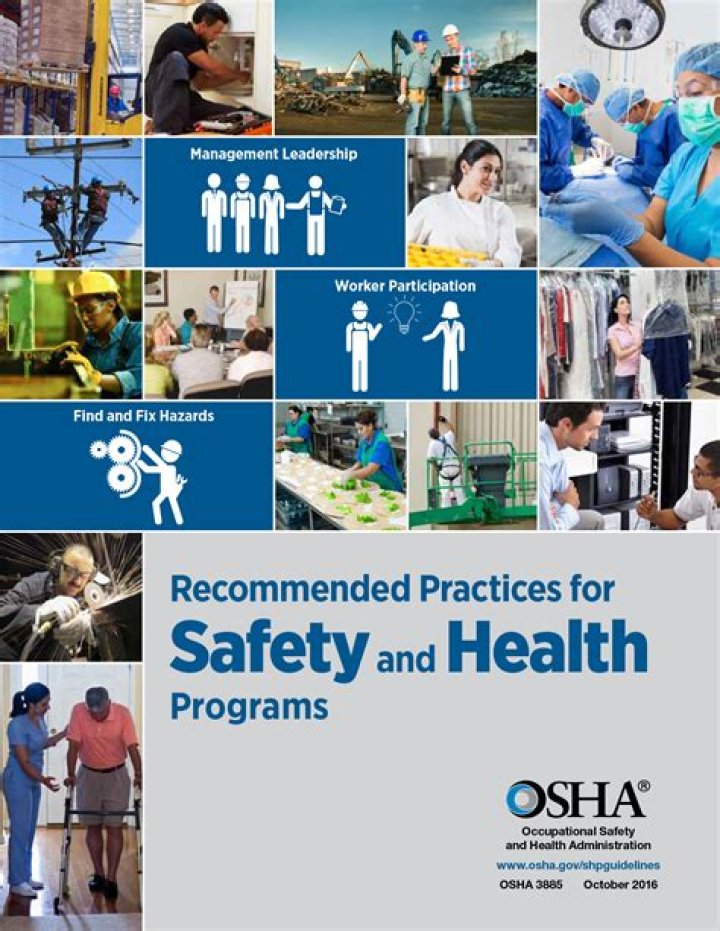
OSHA, or the Occupational Safety and Health Administration, plays a pivotal role in ensuring safe and healthy working conditions for employees across the United States. Established in 1970 under the Occupational Safety and Health Act, OSHA is a federal agency dedicated to reducing workplace injuries, illnesses, and fatalities. Its mission is to provide workers with safe environments where they can thrive without fear of harm.
Workplace safety is not just a responsibility; it's a necessity. OSHA establishes and enforces standards, conducts inspections, and offers training programs to educate both employers and employees about potential hazards. In an era where workplace accidents can lead to severe consequences, understanding OSHA's role becomes crucial for businesses and employees alike.
By enforcing regulations and promoting awareness, OSHA ensures that employers prioritize safety measures that protect workers. This article delves into the comprehensive framework of OSHA, exploring its history, key functions, standards, and the importance of compliance. Whether you're an employer, employee, or safety professional, this guide will equip you with valuable insights to enhance workplace safety.
The History of OSHA
OSHA's origins trace back to the Occupational Safety and Health Act of 1970, signed into law by President Richard Nixon. The act aimed to address the alarming rise in workplace accidents and fatalities during the 20th century. Prior to OSHA's establishment, workplace safety regulations were fragmented and inconsistent across states.
Key Milestones in OSHA's Development
- 1970: The Occupational Safety and Health Act is enacted, creating OSHA.
- 1971: OSHA begins operations, establishing initial safety standards.
- 1980s: OSHA expands its focus to include ergonomic hazards and chemical exposure.
- 2000s: The agency introduces stricter regulations for construction and manufacturing industries.
Throughout its history, OSHA has continuously evolved to address emerging workplace hazards. Its adaptability ensures that safety standards remain relevant in an ever-changing work environment.
OSHA's Mission and Goals
OSHA's mission is clear: to ensure safe and healthful working conditions for all working men and women. This mission is supported by several key goals:
- Setting enforceable workplace safety standards.
- Providing training, outreach, and education to workers and employers.
- Encouraging employers to adopt proactive safety measures.
By focusing on these goals, OSHA strives to reduce workplace injuries, illnesses, and fatalities. Its efforts are grounded in the belief that every worker deserves to return home safely at the end of the day.
OSHA Standards: Ensuring Workplace Safety
OSHA standards are the backbone of its safety framework. These regulations provide detailed guidelines for employers to follow in order to maintain safe working environments. Standards are categorized into four main groups:
Categories of OSHA Standards
- General Industry Standards: Covering a wide range of industries, including manufacturing and service sectors.
- Construction Standards: Focused on construction sites and related activities.
- Maritime Standards: Addressing safety in marine terminals and shipyards.
- Agriculture Standards: Ensuring safety in farming and agricultural operations.
Employers are required to comply with these standards to avoid penalties and ensure the well-being of their workforce. Regular updates to these standards ensure they remain effective against modern workplace hazards.
Compliance and Enforcement
Compliance with OSHA standards is mandatory for all employers covered under the Occupational Safety and Health Act. Failure to comply can result in significant penalties, including fines and legal action. OSHA enforces compliance through inspections, citations, and follow-up evaluations.
Enforcement Mechanisms
- Inspections: Conducted to assess workplace safety and identify violations.
- Citations: Issued for non-compliance, detailing the nature of the violation and required corrective actions.
- Penalties: Imposed for serious, repeated, or willful violations.
OSHA's enforcement efforts are crucial in maintaining accountability and driving continuous improvement in workplace safety practices.
OSHA Inspections: What to Expect
OSHA inspections are a critical component of its enforcement strategy. These inspections can be announced or unannounced, depending on the circumstances. Employers should be prepared to cooperate fully during inspections to ensure a smooth process.
Inspection Process
- Pre-inspection: OSHA inspectors review relevant documents and prepare for the visit.
- On-site inspection: Inspectors evaluate workplace conditions, interview employees, and identify hazards.
- Post-inspection: Employers receive feedback and, if necessary, citations detailing violations.
Understanding the inspection process helps employers prepare effectively and address any issues promptly.
Training and Education Programs
OSHA offers a variety of training and education programs designed to enhance workplace safety knowledge. These programs cater to both employers and employees, providing valuable insights into hazard recognition, prevention, and control.
Key Training Programs
- OSHA 10-Hour and 30-Hour Courses: Covering general safety topics for various industries.
- Outreach Training Program: Designed to teach workers about their rights and employer responsibilities.
- Voluntary Protection Programs (VPP): Recognizing workplaces with exemplary safety practices.
Investing in training programs not only improves safety outcomes but also fosters a culture of safety within organizations.
Employee Rights Under OSHA
OSHA guarantees specific rights to employees to empower them in advocating for safer working conditions. These rights include:
Employee Rights
- The right to file a complaint requesting an OSHA inspection.
- The right to participate in an OSHA inspection.
- The right to receive information about workplace hazards and OSHA standards.
By exercising these rights, employees can play an active role in improving workplace safety and holding employers accountable.
Key Statistics and Impact
OSHA's impact on workplace safety is evident through various statistics. Since its inception, workplace fatalities have decreased by over 60%, and occupational injuries and illnesses have significantly reduced. These improvements highlight the effectiveness of OSHA's initiatives.
Impact Statistics
- Approximately 2.9 million nonfatal workplace injuries and illnesses were reported in 2021.
- OSHA inspections have resulted in over $16 million in penalties in a single year.
- Industries with high compliance rates report fewer accidents and higher productivity.
These statistics underscore the importance of adhering to OSHA standards and the tangible benefits they bring to workplaces.
Challenges Faced by OSHA
Despite its successes, OSHA faces several challenges in its mission to ensure workplace safety. Resource limitations, evolving workplace hazards, and resistance from certain industries pose significant obstacles. Addressing these challenges requires collaboration between OSHA, employers, and employees.
Major Challenges
- Limited funding and staffing constraints.
- Rapidly changing technologies introducing new hazards.
- Resistance from industries reluctant to adopt stricter safety measures.
Overcoming these challenges demands innovative solutions and a commitment to continuous improvement in safety practices.
The Future of OSHA
As workplaces continue to evolve, so must OSHA's strategies and standards. The future of OSHA lies in embracing new technologies, expanding outreach efforts, and fostering partnerships with stakeholders. By staying ahead of emerging trends, OSHA can continue to protect workers effectively.
Future Initiatives
- Increased focus on mental health and wellness in the workplace.
- Integration of technology in hazard detection and prevention.
- Enhanced collaboration with international safety organizations.
OSHA's commitment to innovation and collaboration will ensure its relevance and effectiveness in the years to come.
Conclusion
In conclusion, OSHA plays a vital role in safeguarding workers across the United States. By establishing and enforcing safety standards, offering training programs, and ensuring compliance, OSHA has significantly improved workplace conditions. Employers and employees alike benefit from its efforts, leading to safer, more productive environments.
We encourage you to take action by reviewing OSHA standards relevant to your industry, participating in training programs, and exercising your rights as a worker. Share this article with colleagues and explore other resources to deepen your understanding of workplace safety. Together, we can create a safer future for all workers.