What Was the NAACP: A Comprehensive Exploration of Its History and Impact
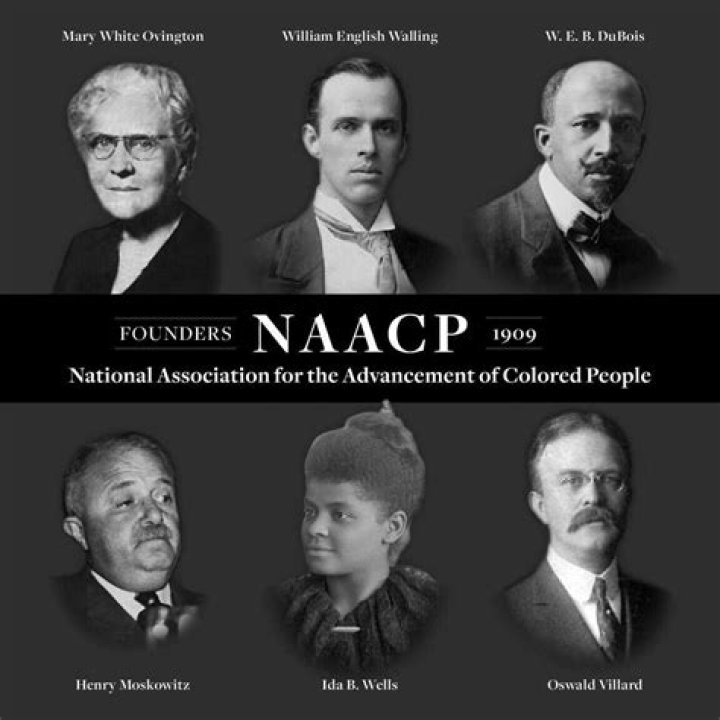
The National Association for the Advancement of Colored People (NAACP) has been a cornerstone of civil rights advocacy since its inception in 1909. Established in response to racial injustices and the need for equality, the NAACP has played a pivotal role in shaping the civil rights movement in the United States. This organization's legacy continues to inspire millions across the globe. In this article, we will delve into the origins, milestones, and enduring impact of the NAACP.
Understanding what the NAACP represents is essential for anyone interested in social justice and civil rights. The organization has been instrumental in fighting against systemic racism and advocating for equality in education, voting rights, and economic opportunities. Its efforts have led to landmark legal victories and societal changes that resonate to this day.
This article will provide an in-depth analysis of the NAACP's history, objectives, and achievements. Whether you're a student, researcher, or simply someone curious about the organization's role in shaping modern society, this comprehensive guide will answer the question: What was the NAACP, and why does it matter?
The History of the NAACP
Founded on February 12, 1909, the NAACP emerged during a period of profound racial tension in the United States. The organization was born out of the Niagara Movement, a group of African American activists who sought to combat racial discrimination and promote civil rights. With the support of white allies, the NAACP became a powerful force for change.
The early years of the NAACP were marked by grassroots activism and strategic litigation. The organization quickly established itself as a leading voice in the fight against lynching, segregation, and other forms of racial injustice. Through its publications, such as "The Crisis," the NAACP educated the public about the realities of racism and inspired collective action.
Origins of the NAACP
The NAACP's origins can be traced back to the Niagara Movement, a coalition of African American leaders who convened in Niagara Falls, Canada, in 1905. This movement laid the groundwork for the NAACP by emphasizing the importance of civil rights advocacy and equality. Key figures like W.E.B. Du Bois and Ida B. Wells played crucial roles in shaping the organization's early vision.
Biography of the NAACP
The NAACP's biography is a testament to its enduring commitment to civil rights. From its humble beginnings to its status as a global influencer, the organization has consistently pushed for progress and equality. Below is a summary of key biographical details:
| Category | Details |
|---|---|
| Founded | February 12, 1909 |
| Location | Baltimore, Maryland (Headquarters) |
| Founders | W.E.B. Du Bois, Mary White Ovington, Ida B. Wells, and others |
| Mission | To ensure the political, educational, social, and economic equality of rights of all persons and to eliminate race-based discrimination |
Objectives of the NAACP
The NAACP's objectives are rooted in its mission to eradicate racial discrimination and promote equality. Some of its primary goals include:
- Promoting civil rights through advocacy and education
- Challenging discriminatory laws and practices through litigation
- Empowering marginalized communities through economic and social programs
- Advancing voting rights and ensuring fair representation
These objectives have guided the NAACP's efforts for over a century, making it one of the most influential civil rights organizations in history.
Key Milestones in NAACP's History
The NAACP has achieved numerous milestones throughout its history, each contributing to the broader movement for civil rights. Some of the most significant accomplishments include:
Brown v. Board of Education
In 1954, the NAACP achieved a landmark victory with the Supreme Court decision in Brown v. Board of Education. This ruling declared racial segregation in public schools unconstitutional, marking a turning point in the fight against segregation.
Voting Rights Act of 1965
Through its advocacy efforts, the NAACP played a critical role in the passage of the Voting Rights Act of 1965. This legislation eliminated barriers to voting for African Americans and other marginalized groups, ensuring greater access to the ballot box.
Legal Battles and Triumphs
One of the NAACP's most notable contributions has been its involvement in landmark legal cases. The organization's Legal Defense and Educational Fund (LDF) has been instrumental in challenging discriminatory laws and practices. Some of the most impactful cases include:
- Plessy v. Ferguson (challenging the "separate but equal" doctrine)
- Brown v. Board of Education (ending segregation in schools)
- Loving v. Virginia (legalizing interracial marriage)
These legal victories have had a lasting impact on American society, paving the way for greater equality and justice.
Advocacy in Education
Education has been a central focus of the NAACP's advocacy efforts. The organization has worked tirelessly to ensure equal access to quality education for all students, regardless of race or background. Key initiatives include:
- Challenging school segregation and funding disparities
- Supporting programs that promote educational equity
- Advocating for policies that address the achievement gap
Through these efforts, the NAACP has made significant strides in improving educational opportunities for marginalized communities.
Voting Rights Initiatives
Voting rights have long been a priority for the NAACP. The organization has been at the forefront of efforts to protect and expand voting rights, particularly for African Americans and other underrepresented groups. Initiatives include:
- Challenging voter suppression laws
- Registering and mobilizing voters
- Advocating for fair redistricting practices
These efforts have been crucial in ensuring that all citizens have a voice in the democratic process.
Economic Empowerment Programs
Economic empowerment is another key area of focus for the NAACP. The organization recognizes that economic inequality is closely linked to racial injustice and has implemented various programs to address this issue. These programs include:
- Job training and employment initiatives
- Financial literacy education
- Support for minority-owned businesses
By addressing economic disparities, the NAACP aims to create a more equitable society for all.
Challenges Faced by the NAACP
Despite its many achievements, the NAACP has faced numerous challenges over the years. These include:
- Resistance from those opposed to civil rights progress
- Financial constraints and resource limitations
- Changing societal dynamics and evolving forms of discrimination
However, the NAACP has consistently adapted to these challenges, remaining resilient and committed to its mission.
The Future of the NAACP
Looking ahead, the NAACP continues to play a vital role in advancing civil rights and social justice. The organization is focused on addressing contemporary issues such as police brutality, systemic racism, and economic inequality. Its commitment to equity and justice remains unwavering.
As the NAACP moves forward, it seeks to engage a new generation of activists and allies. By leveraging technology and innovative strategies, the organization aims to expand its reach and impact.
Call to Action
The NAACP's work is far from over. To support its mission, consider getting involved by volunteering, donating, or advocating for civil rights in your community. Together, we can continue to make a difference and honor the legacy of this historic organization.
Conclusion
In conclusion, the NAACP has been a driving force in the fight for civil rights and equality in the United States. From its early days as a small advocacy group to its status as a global leader in social justice, the organization has achieved remarkable milestones. By understanding what the NAACP represents, we can appreciate its enduring impact and the importance of continuing its mission.
We invite you to share this article, leave a comment, or explore other resources on our website to learn more about the NAACP and its vital work. Together, we can create a more just and equitable society for all.