When Do Puppies Open Their Eyes: A Comprehensive Guide for Pet Owners
Welcoming a litter of puppies into your life is an exciting experience, but understanding their developmental milestones is crucial for their care and well-being. One of the most common questions new puppy owners ask is, "When do puppies open their eyes?" This simple yet fascinating process is part of a puppy's early growth and development. Knowing what to expect during this stage can help ensure your puppies grow up healthy and strong.
The first few weeks of a puppy's life are filled with rapid changes and critical development. From being completely dependent on their mother to gradually becoming more independent, puppies go through several phases. The timing of when puppies open their eyes is one of the most important milestones, as it marks the beginning of their sensory exploration of the world around them.
In this article, we will explore everything you need to know about when puppies open their eyes, the developmental stages leading up to this event, and how you can support your puppies during this time. Whether you're a first-time breeder or simply curious about puppy development, this guide will provide you with all the information you need.
Introduction to Puppy Development
Puppies are born with their eyes closed, and this is a natural part of their development. During the first two weeks of life, puppies rely entirely on their mother for warmth, nutrition, and protection. Their senses are underdeveloped, and they are unable to see or hear. This stage is known as the neonatal period, and it is a critical time for their growth and development.
As the weeks progress, puppies begin to open their eyes and ears, marking the start of their sensory exploration. This transition is not only fascinating but also essential for their survival and adaptation to the outside world. Understanding the timeline and milestones of puppy development can help you provide the best care during these formative weeks.
When Do Puppies Open Their Eyes?
Most puppies open their eyes between 10 and 14 days after birth. However, this timeline can vary slightly depending on the breed and individual puppy. During this period, the puppies' eyes will gradually begin to open, starting with small slits that widen over the next few days. It is important to note that even after their eyes are open, their vision will still be blurry for another week or two.
During this time, puppies are still highly dependent on their mother and littermates for warmth and nourishment. While their eyes are open, their sensory development continues, and they start to explore their surroundings more actively. This is a crucial stage in their growth, and proper care is essential to ensure healthy development.
Stages of Puppy Development
Neonatal Stage (0-2 Weeks)
The neonatal stage is the first two weeks of a puppy's life. During this time, puppies are born with their eyes and ears closed, and they rely entirely on their mother for survival. Their primary activities include sleeping and nursing. Puppies are unable to regulate their body temperature, so they depend on their mother and littermates for warmth.
During this stage, puppies experience rapid growth and development. Their weight can double or even triple within the first two weeks. While their eyes and ears remain closed, their sense of touch and smell are already functional, allowing them to locate their mother for feeding.
Transitional Stage (2-4 Weeks)
The transitional stage occurs between two and four weeks of age. This is when puppies begin to open their eyes and ears, marking the start of their sensory development. Their vision and hearing improve gradually, allowing them to become more aware of their surroundings.
During this stage, puppies start to become more mobile, attempting to stand and walk. They also begin to interact more with their littermates, developing social skills that will be important later in life. While they are still dependent on their mother for feeding, they start to explore their environment more actively.
Why Do Puppies Keep Their Eyes Closed?
Puppies are born with their eyes closed because their eyes and ears are not fully developed at birth. The eyelids remain closed to protect the delicate structures of the eye during this vulnerable period. This is a natural adaptation to ensure that their sensory organs develop properly before being exposed to the outside world.
During the first two weeks, the puppies' eyes and ears continue to mature. The eyelids gradually begin to open around 10-14 days, allowing light and sound to enter. This gradual process ensures that the puppies' sensory organs are fully functional and ready to handle external stimuli.
Signs of Healthy Eye Development
Monitoring your puppies' eye development is essential to ensure they are growing up healthy. Here are some signs of healthy eye development:
- Eyes open gradually between 10-14 days.
- No signs of redness, swelling, or discharge around the eyes.
- Eyes appear clear and bright once fully open.
- Puppies show interest in their surroundings as their vision improves.
If you notice any abnormalities, such as excessive tearing, crusty eyes, or swelling, consult a veterinarian immediately. Early intervention can prevent potential health issues.
Common Concerns About Puppy Eye-Opening
While most puppies open their eyes without any issues, some concerns may arise during this process. Here are a few common concerns and how to address them:
- Delayed Eye Opening: If a puppy's eyes do not open by 14 days, consult a veterinarian to rule out any underlying issues.
- Infection or Discharge: Redness, swelling, or discharge around the eyes may indicate an infection. Seek veterinary care promptly.
- Uneven Eye Opening: It is normal for one eye to open slightly before the other. However, significant delays in one eye opening should be evaluated by a vet.
Regular monitoring and proper hygiene can help prevent complications during this critical stage.
Caring for Puppies During Eye-Opening
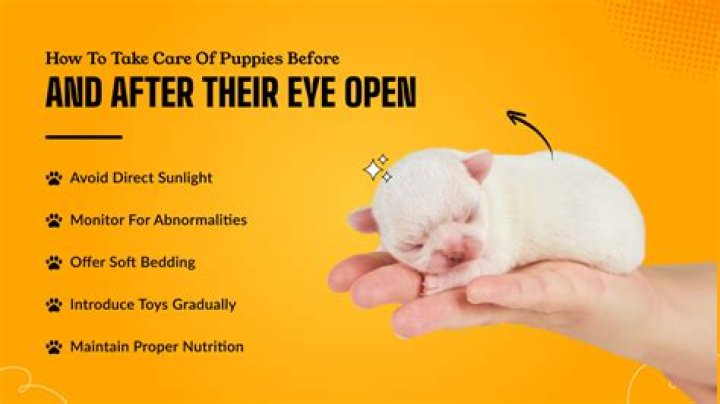
Proper care during the eye-opening stage is crucial for your puppies' health and well-being. Here are some tips to ensure a smooth transition:
- Keep the whelping area clean and free of debris to prevent eye infections.
- Avoid touching the puppies' eyes or forcing them open. Allow the process to occur naturally.
- Monitor the puppies closely for any signs of discomfort or abnormalities.
- Ensure the puppies have access to their mother for warmth and nourishment.
By providing a safe and nurturing environment, you can support your puppies during this important developmental stage.
What Happens After Puppies Open Their Eyes?
Once puppies open their eyes, they enter a new phase of development. Their vision improves gradually, allowing them to explore their surroundings more actively. During this time, their hearing also develops, enhancing their sensory awareness.
Puppies start to become more independent, attempting to stand, walk, and interact with their littermates. They develop social skills and begin to learn about their environment. This stage is crucial for their physical and mental growth, and proper stimulation is essential for their development.
Tips for New Puppy Owners
If you're a new puppy owner, here are some tips to help you care for your puppies during their early weeks:
- Provide a clean and comfortable whelping area for the mother and puppies.
- Monitor the puppies' development closely, keeping an eye on their weight gain and overall health.
- Consult a veterinarian regularly to ensure the puppies are growing up healthy.
- Introduce gentle socialization and stimulation as the puppies' senses develop.
By following these tips, you can ensure your puppies grow up happy and healthy.
Conclusion and Next Steps
In conclusion, understanding when puppies open their eyes and the developmental stages leading up to this event is crucial for their care and well-being. Proper monitoring and support during this time can help ensure healthy growth and development. Remember to consult a veterinarian if you have any concerns about your puppies' health.
We encourage you to share this article with fellow pet owners and leave a comment below if you have any questions or feedback. For more information on puppy care and development, explore our other articles and resources. Together, we can provide the best care for our furry friends!