When Was NAACP Established: A Comprehensive Guide to Its History and Legacy
The National Association for the Advancement of Colored People (NAACP) is one of the most influential civil rights organizations in the United States. Established in 1909, it has played a pivotal role in advocating for racial equality and justice. Understanding its origins and contributions is essential for anyone interested in the history of civil rights movements.
As one of the oldest civil rights organizations in the country, the NAACP has been at the forefront of numerous landmark legal battles, community initiatives, and advocacy campaigns. Its establishment marked a turning point in the fight for racial justice, providing a platform for marginalized voices to be heard and recognized.
This article delves into the history of the NAACP, exploring its founding, key milestones, and ongoing impact. Whether you're a student, researcher, or simply someone curious about the organization's legacy, this guide will provide you with a detailed overview of its significance and contributions to society.
When Was NAACP Established?
The National Association for the Advancement of Colored People (NAACP) was established on February 12, 1909, in New York City. This date is significant as it coincides with the 100th anniversary of Abraham Lincoln's birth, a nod to his role in the abolition of slavery. The organization was founded in response to the increasing racial violence and discrimination faced by African Americans during the early 20th century.
At the time of its establishment, the NAACP aimed to address systemic issues such as lynching, segregation, and voting rights. Its founding marked the beginning of a long and ongoing struggle for racial justice, equality, and civil rights in the United States.
Why Was NAACP Established?
The establishment of the NAACP was driven by the need for a coordinated effort to combat racial injustice. Key factors that led to its creation include:
- Racial violence, particularly lynching, which was rampant in the South.
- Segregation laws, such as the "Jim Crow" laws, which enforced racial separation in public facilities.
- Denial of basic rights, including the right to vote, for African Americans.
By addressing these issues, the NAACP sought to create a more equitable society where all individuals could enjoy their rights and freedoms.
Who Founded the NAACP?
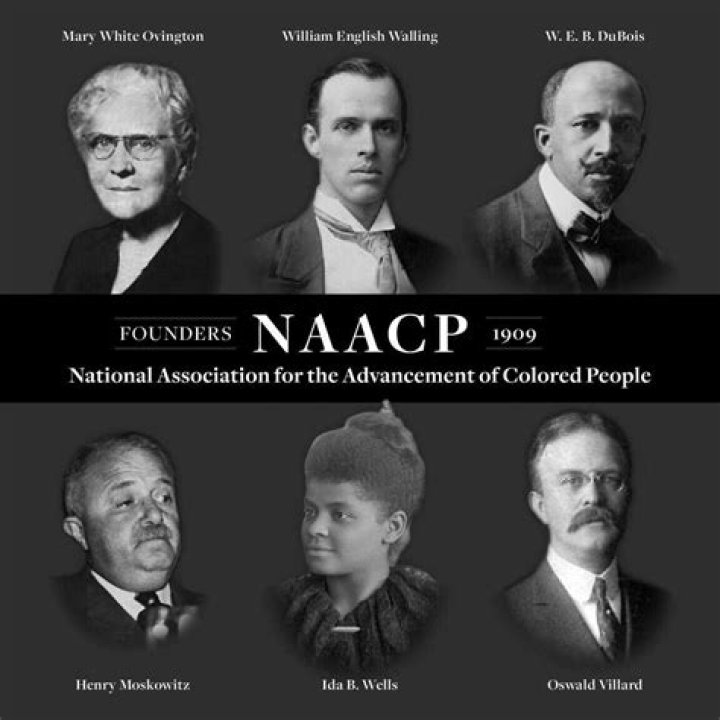
The NAACP was founded by a diverse group of individuals, including both African Americans and white allies. Some of the key founding members include:
- W.E.B. Du Bois: A prominent sociologist and civil rights activist who served as the organization's director of publicity and research.
- Mary White Ovington: A white social worker and suffragist who played a crucial role in organizing the founding meeting.
- Ida B. Wells: A journalist and anti-lynching activist who contributed to the organization's early efforts.
- Henry Moskowitz: A social worker and reformer who helped bring attention to racial injustice.
These individuals, along with others, came together to form an organization that would advocate for the rights of African Americans and other marginalized groups.
The Early Years of NAACP
In its early years, the NAACP focused on addressing some of the most pressing issues facing African Americans. One of its primary objectives was to combat lynching, which was a widespread and horrific form of racial violence. The organization worked tirelessly to raise awareness about this issue and push for federal legislation to address it.
Additionally, the NAACP launched a campaign to challenge segregation laws through the courts. This effort laid the groundwork for future legal battles, including the landmark case of Brown v. Board of Education, which declared segregation in public schools unconstitutional.
Key Initiatives in the Early Years
Some of the key initiatives undertaken by the NAACP during its early years include:
- Publication of "The Crisis," a magazine edited by W.E.B. Du Bois that highlighted issues affecting African Americans.
- Advocacy for anti-lynching legislation in Congress.
- Legal challenges to segregation and discrimination in various states.
These initiatives helped establish the NAACP as a formidable force in the fight for civil rights.
Key Milestones in NAACP's History
Throughout its history, the NAACP has achieved numerous milestones that have significantly impacted the civil rights movement. Some of the most notable milestones include:
- 1915: The NAACP successfully campaigns against the release of the film "The Birth of a Nation," which glorified the Ku Klux Klan and perpetuated racist stereotypes.
- 1954: The organization plays a crucial role in the Brown v. Board of Education case, which led to the desegregation of public schools.
- 1964: The Civil Rights Act is passed, largely due to the advocacy efforts of the NAACP and other civil rights organizations.
These milestones highlight the NAACP's effectiveness in using legal, legislative, and public advocacy strategies to promote racial equality.
NAACP's Impact on Legal Battles
The NAACP has been instrumental in shaping the legal landscape of civil rights in the United States. Through its Legal Defense and Educational Fund, the organization has represented plaintiffs in numerous landmark cases, including:
- Plessy v. Ferguson (1954): Although this case upheld segregation under the "separate but equal" doctrine, it laid the groundwork for future challenges.
- Brown v. Board of Education (1954): This case declared segregation in public schools unconstitutional, effectively overturning Plessy v. Ferguson.
- Smith v. Allwright (1944): This case struck down the practice of all-white primary elections in Texas, expanding voting rights for African Americans.
These legal victories have had a lasting impact on the fight for civil rights, demonstrating the power of strategic litigation.
The Modern Role of NAACP
In the modern era, the NAACP continues to play a vital role in advocating for racial justice and equality. Its efforts focus on a wide range of issues, including:
- Voting rights and access to the ballot box.
- Criminal justice reform, including the fight against mass incarceration.
- Economic empowerment and access to quality education.
Through its branches across the country, the NAACP works to engage communities and promote policies that address systemic racism and inequality.
NAACP's Advocacy in the Digital Age
In recent years, the NAACP has embraced digital technology to expand its reach and impact. Social media platforms and online campaigns have become essential tools for raising awareness and mobilizing support for its causes.
Challenges Faced by NAACP
Despite its many successes, the NAACP faces several challenges in its ongoing mission for racial justice. These challenges include:
- Funding constraints that limit the organization's ability to expand its programs and initiatives.
- Resistance from political and social forces that oppose its advocacy efforts.
- Changing demographics and societal dynamics that require new strategies for engagement and outreach.
Addressing these challenges requires a continued commitment to innovation and collaboration with other organizations and individuals dedicated to the cause of civil rights.
NAACP's Future Goals
Looking to the future, the NAACP has set ambitious goals to continue its mission of promoting racial justice and equality. These goals include:
- Expanding its efforts to address issues such as climate justice and healthcare disparities.
- Increasing youth engagement and leadership development within the organization.
- Strengthening partnerships with other civil rights organizations to amplify its impact.
By pursuing these goals, the NAACP aims to remain a leading force in the fight for civil rights and social justice.
Biography of Key Figures in NAACP
Several key figures have played a crucial role in the history and success of the NAACP. Below is a brief biography of some of these individuals:
W.E.B. Du Bois
Born: February 23, 1868
Passed Away: August 27, 1963
Role in NAACP: Director of Publicity and Research
| Full Name | William Edward Burghardt Du Bois |
|---|---|
| Education | Ph.D. from Harvard University |
| Contributions | Founder of "The Crisis" magazine and advocate for racial equality |
Conclusion: The Legacy of NAACP
The National Association for the Advancement of Colored People (NAACP) has left an indelible mark on the history of civil rights in the United States. Established in 1909, it has been at the forefront of the fight for racial justice and equality for over a century. Through its legal battles, advocacy efforts, and community engagement, the NAACP has achieved numerous milestones that have shaped the landscape of civil rights in America.
As the organization continues to address contemporary issues such as voting rights, criminal justice reform, and economic empowerment, its legacy remains as relevant today as it was at its founding. We invite you to join the conversation by leaving a comment or sharing this article with others who may be interested in learning more about the NAACP and its ongoing mission for justice and equality.