When Was the Car Invented? A Comprehensive History of Automotive Innovation
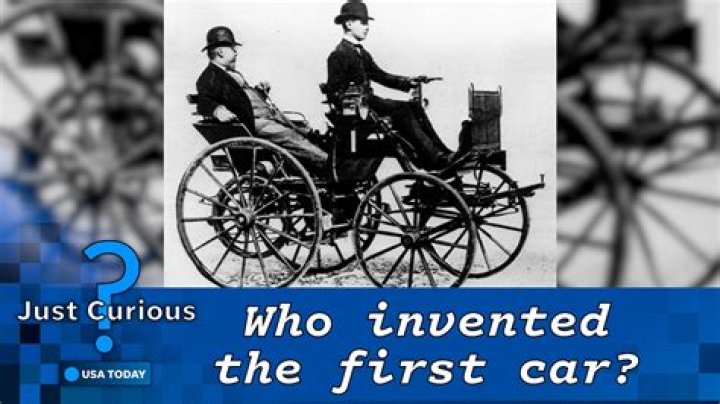
When was the car invented? This is a question that fascinates automotive enthusiasts and historians alike. The invention of the car marked a significant turning point in human history, revolutionizing transportation and shaping the modern world as we know it today. Understanding the origins of this groundbreaking innovation provides valuable insights into how far we've come and where we might be headed in the future.
The concept of a self-propelled vehicle has been around for centuries, but it wasn't until the late 1800s that the first practical cars were developed. This article will delve into the rich history of automobiles, exploring key milestones, inventors, and technological advancements that led to the creation of the car as we know it today.
By the end of this article, you will have a comprehensive understanding of the invention of the car, its evolution, and the impact it has had on society. Whether you're a history buff or simply curious about automotive origins, this guide promises to provide valuable insights and fascinating facts.
Early History of Automobiles
The journey toward inventing the car began long before the 19th century. As early as the 17th century, inventors were experimenting with steam-powered vehicles. In 1672, Ferdinand Verbiest, a Flemish Jesuit missionary in China, built a small steam-powered vehicle as a toy for the Chinese Emperor. Although not practical for transportation, this invention laid the groundwork for future developments.
Steam-Powered Vehicles
By the 18th century, steam technology had advanced significantly. Nicolas-Joseph Cugnot, a French inventor, created the first full-scale, self-propelled mechanical vehicle in 1769. Known as the "Fardier de Cugnot," this steam-powered tricycle was designed to transport artillery. Despite its slow speed and limited range, it marked an important milestone in automotive history.
Challenges of Steam Technology
While steam-powered vehicles showed promise, they faced numerous challenges. These early automobiles were bulky, inefficient, and required extensive maintenance. Moreover, the dangers of steam boilers made them less appealing for widespread use. Nevertheless, these early experiments paved the way for future innovations in automotive engineering.
Karl Benz and the First Car
When was the car invented? Many historians credit Karl Benz with creating the first true automobile. In 1885, Benz developed the Benz Patent-Motorwagen, a three-wheeled vehicle powered by an internal combustion engine. This invention is widely regarded as the birth of the modern car.
Innovations in Benz's Design
Karl Benz's Patent-Motorwagen featured several groundbreaking innovations. The car was equipped with a single-cylinder four-stroke engine, which provided reliable and efficient power. Benz also designed a novel gear system and a tubular steel frame, making the vehicle lighter and more durable than its predecessors.
Commercial Success
After obtaining a patent for his invention in 1886, Karl Benz began producing the Patent-Motorwagen commercially. Although initial sales were slow, the car gained popularity over time, establishing Benz & Cie. as one of the leading automotive manufacturers of the era. Benz's success laid the foundation for the modern automotive industry.
Henry Ford's Contribution to Mass Production
While Karl Benz is often credited with inventing the car, Henry Ford played a pivotal role in making automobiles accessible to the masses. In 1908, Ford introduced the Model T, a revolutionary vehicle that combined affordability, reliability, and ease of use.
The Assembly Line Revolution
Henry Ford's greatest contribution to the automotive industry was the introduction of the moving assembly line in 1913. This innovation dramatically reduced production times and costs, allowing Ford to manufacture cars at an unprecedented scale. By 1927, over 15 million Model T's had been produced, making the car an iconic symbol of American innovation.
Impact on Society
Ford's mass production techniques transformed the automotive industry and had far-reaching effects on society. The widespread availability of affordable cars enabled greater mobility, fueling economic growth and urbanization. Additionally, Ford's focus on fair wages and employee benefits set a new standard for labor practices in the industrial era.
Evolution of Car Technology
Since the invention of the car, automotive technology has undergone rapid advancements. From improved engines to advanced safety features, modern cars bear little resemblance to their early predecessors. Below are some key milestones in the evolution of car technology:
- Introduction of the V8 engine in 1932
- Development of automatic transmissions in the 1940s
- Invention of anti-lock braking systems (ABS) in the 1970s
- Adoption of airbags as standard equipment in the 1980s
- Emergence of hybrid and electric vehicles in the 21st century
These innovations have not only enhanced performance but also improved safety and environmental sustainability.
The Rise of Electric Vehicles
As concerns about climate change and air pollution grow, electric vehicles (EVs) are gaining popularity. Modern EVs offer zero emissions, lower operating costs, and advanced features such as autonomous driving capabilities.
Challenges Facing Electric Vehicles
Despite their advantages, electric cars face several challenges. Limited charging infrastructure, long charging times, and high initial costs remain barriers to widespread adoption. However, ongoing research and development are addressing these issues, paving the way for a cleaner, more sustainable future.
Government Incentives
To encourage the adoption of electric vehicles, many governments offer tax credits, rebates, and other incentives. These policies aim to reduce the financial burden on consumers and accelerate the transition to greener transportation options.
Environmental Impact of Cars
The invention of the car has had a profound impact on the environment. While cars have revolutionized transportation, they are also a major source of greenhouse gas emissions and air pollution. According to the U.S. Environmental Protection Agency, transportation accounts for approximately 29% of total U.S. greenhouse gas emissions.
Solutions for Reducing Emissions
To mitigate the environmental impact of cars, automakers and policymakers are exploring various solutions. These include:
- Developing more efficient internal combustion engines
- Expanding the use of alternative fuels, such as hydrogen and biofuels
- Promoting the adoption of electric and hybrid vehicles
- Encouraging carpooling, public transportation, and active commuting
Implementing these strategies is essential for creating a more sustainable transportation system.
Biography of Karl Benz
Karl Benz was a German engineer and inventor who played a pivotal role in the development of the automobile. Below is a brief overview of his life and achievements:
| Full Name | Karl Friedrich Benz |
|---|---|
| Birth Date | November 25, 1844 |
| Death Date | April 4, 1929 |
| Place of Birth | Mühlburg, Germany |
| Major Achievement | Invention of the Benz Patent-Motorwagen |
Karl Benz's contributions to automotive engineering earned him a place among the greatest inventors of the modern era. His legacy continues to inspire engineers and innovators around the world.
Biography of Henry Ford
Henry Ford was an American industrialist and founder of the Ford Motor Company. His innovations in mass production transformed the automotive industry and had a lasting impact on modern society. Below is a summary of his life and accomplishments:
| Full Name | Henry Ford |
|---|---|
| Birth Date | July 30, 1863 |
| Death Date | April 7, 1947 |
| Place of Birth | Springwells Township, Michigan, USA |
| Major Achievement | Introduction of the Model T and moving assembly line |
Henry Ford's visionary leadership and commitment to innovation helped shape the modern automotive industry. His influence extends far beyond the realm of cars, impacting manufacturing processes across various industries.
Future Trends in Automotive Industry
As technology continues to advance, the automotive industry is poised for significant changes. Key trends to watch include:
- Increased adoption of autonomous vehicles
- Expansion of shared mobility services
- Development of smart infrastructure for connected cars
- Integration of artificial intelligence and machine learning
- Enhanced focus on sustainability and renewable energy
These trends promise to redefine the way we think about transportation, offering exciting possibilities for the future.
Conclusion
When was the car invented? The answer lies in the groundbreaking work of pioneers like Karl Benz and Henry Ford, whose innovations transformed the world of transportation. From the first steam-powered vehicles to the advanced electric cars of today, the evolution of the automobile reflects humanity's relentless pursuit of progress.
As we look to the future, it's clear that the automotive industry will continue to evolve, driven by technological advancements and shifting societal priorities. By embracing innovation and sustainability, we can ensure that the next chapter in automotive history is as exciting and impactful as the first.
We invite you to share your thoughts and insights in the comments section below. Have you ever wondered about the origins of the car? What do you think the future holds for the automotive industry? Don't forget to explore our other articles for more fascinating content on technology, history, and beyond!