When Was the Millennial Generation Born? A Comprehensive Guide
Understanding the millennial generation is essential for grasping modern societal trends and cultural shifts. This generation, often defined by its unique characteristics and experiences, has significantly impacted global demographics and economies. By exploring when the millennial generation was born, we can better understand its role in shaping the world today.
The millennial generation, also known as Generation Y, has been a subject of fascination for sociologists, economists, and marketers alike. Born roughly between the early 1980s and the mid-1990s to early 2000s, millennials have grown up in an era marked by rapid technological advancements and globalization.
In this article, we will delve into the origins of the millennial generation, explore its defining traits, and examine how it has influenced various aspects of society. Whether you're a researcher, marketer, or simply curious about generational dynamics, this guide will provide valuable insights into the millennial generation's timeline and impact.
Defining the Millennial Generation
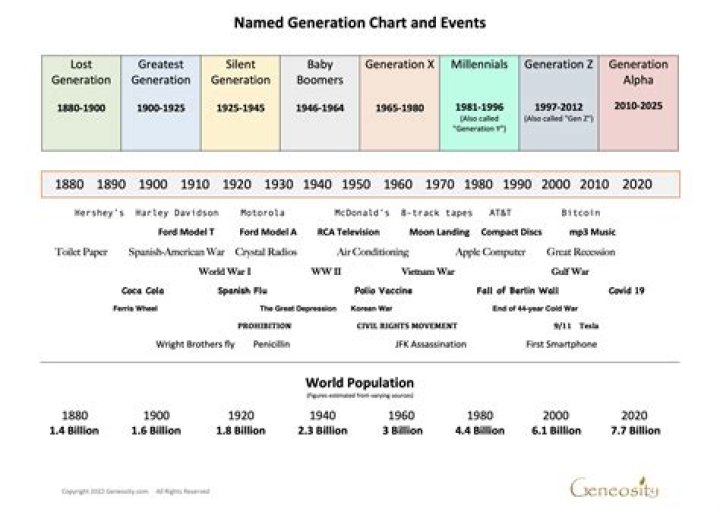
The term "millennial" has become a household name, but what exactly does it mean? The millennial generation is broadly defined as individuals born between the early 1980s and the mid-1990s to early 2000s. This timeframe is not universally agreed upon, as various organizations and researchers may slightly differ in their definitions. For instance, the Pew Research Center places the birth years of millennials between 1981 and 1996.
Why the Term "Millennial"?
The name "millennial" was coined by authors William Strauss and Neil Howe in their book "Generations: The History of America's Future, 1584 to 2069." They used the term to describe the generation that would come of age around the turn of the millennium, marking a significant cultural and historical milestone.
Birth Years of Millennials
While there is no single consensus on the exact birth years of millennials, most sources agree that this generation spans roughly two decades. Below is a breakdown of the commonly accepted birth years:
- Pew Research Center: 1981–1996
- U.S. Census Bureau: 1982–2000
- Other Researchers: 1980–2004
These variations highlight the complexity of defining generational boundaries, as societal and cultural shifts may influence how generations are categorized.
Historical Context of the Millennial Generation
The millennial generation grew up during a period of significant historical events and technological advancements. Some key milestones include:
- The fall of the Berlin Wall (1989)
- The rise of the internet and personal computers
- The September 11 attacks (2001)
- The 2008 global financial crisis
These events shaped the worldview and values of millennials, influencing their approach to work, relationships, and societal issues.
Key Characteristics of Millennials
Millennials are often described as tech-savvy, adaptable, and socially conscious. Below are some defining traits of this generation:
- Digital Natives: Grew up with access to technology and the internet.
- Entrepreneurial Spirit: Many millennials are drawn to entrepreneurship and start-ups.
- Value Diversity: Embrace cultural and social diversity, advocating for equality and inclusion.
Sub-Trends Within the Millennial Cohort
Within the millennial generation, there are sub-trends that further define its diversity. For example:
- Younger millennials (born in the late 1990s) may have different priorities compared to older millennials.
- Urban vs. rural millennials may exhibit varying lifestyle preferences and career choices.
Economic Impact of Millennials
Millennials have had a profound impact on the global economy. As the largest living generation in many countries, they drive consumer trends and influence market dynamics. Key economic contributions include:
- Increased demand for sustainable and ethical products.
- Shift toward remote work and flexible employment arrangements.
- Higher education attainment, leading to a more skilled workforce.
However, millennials also face economic challenges, such as student debt and housing affordability issues.
Technological Influence on Millennials
Technology has been a defining aspect of the millennial experience. Growing up with the internet, smartphones, and social media has shaped how millennials communicate, work, and consume information. Some notable technological influences include:
- Instant access to information and global connectivity.
- Emergence of social media platforms like Facebook, Twitter, and Instagram.
- Advancements in e-commerce and digital payment systems.
Social Challenges Faced by Millennials
Despite their many achievements, millennials face several social challenges. These include:
- Mental health concerns due to societal pressures and digital overload.
- Political polarization and divisive discourse.
- Climate change and environmental degradation.
Addressing these challenges requires collective action and collaboration across generations.
Millennials Today: Current Trends
As millennials enter their 30s and 40s, they continue to shape societal trends. Current trends include:
- Focus on work-life balance and mental well-being.
- Growing interest in sustainable living and environmental activism.
- Increased participation in politics and advocacy for social justice.
These trends reflect the evolving priorities and values of the millennial generation.
Future Predictions for Millennials
Looking ahead, millennials are expected to play a pivotal role in shaping the future. Some predictions include:
- Continued emphasis on technology and innovation.
- Greater focus on climate action and sustainability.
- Increasing influence in leadership and decision-making roles.
As the millennial generation matures, its impact on society will only grow stronger.
Conclusion
In conclusion, the millennial generation, defined by its birth years between the early 1980s and the mid-1990s to early 2000s, has left an indelible mark on society. From their technological prowess to their commitment to social justice, millennials have reshaped the world in countless ways. Understanding their history, characteristics, and challenges is crucial for anyone seeking to engage with this influential generation.
We invite you to share your thoughts and experiences in the comments section below. Additionally, feel free to explore other articles on our website for more insights into generational dynamics and societal trends. Together, we can continue the conversation and learn from one another.