When Was the White House Made: A Comprehensive Guide to America's Most Iconic Residence
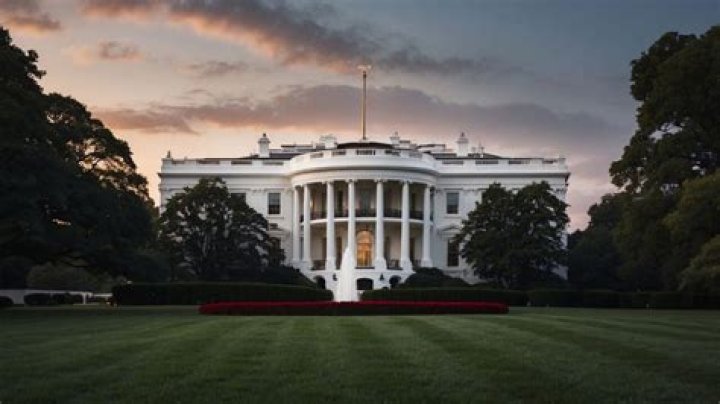
The White House is one of the most iconic symbols of American history and governance. Its construction and historical significance have fascinated millions of people around the world. Understanding when the White House was made and its journey through time offers a glimpse into the architectural and cultural evolution of the United States. In this article, we will delve into the history, construction, and legacy of this remarkable building.
As a centerpiece of American democracy, the White House has stood as a testament to the nation's growth and resilience. Built during a pivotal period in U.S. history, it serves not only as the residence of the President but also as a symbol of national identity. This article aims to explore the timeline of its creation and highlight its enduring importance.
Join us as we uncover the fascinating details surrounding the construction of the White House, from its inception to its completion, and how it has evolved over the years. By the end of this guide, you will have a deeper appreciation for the historical significance of this national landmark.
Construction Timeline: When Was the White House Made?
The construction of the White House began in 1792, following a design competition won by Irish-born architect James Hoban. The cornerstone was laid on October 13, 1792, marking the official start of the project. It took eight years to complete the initial structure, with President John Adams becoming the first resident in 1800.
During this period, the building underwent several changes and modifications to accommodate the needs of the presidency. Skilled laborers, including enslaved workers, played a crucial role in its construction. The exterior was painted with white paint made from a mixture of lime, rice glue, casein, and lead, which gave it its iconic name.
Challenges During Construction
The construction of the White House faced numerous challenges, including:
- Limited financial resources
- Shortages of skilled labor
- Political disputes over its design and location
Despite these obstacles, the project was completed on schedule, showcasing the determination and ingenuity of its builders.
Historical Background of the White House
The idea for a presidential residence originated during the early years of the United States. As the nation sought to establish its identity, the need for a central location for the executive branch became apparent. The Residence Act of 1790 designated a site along the Potomac River as the future capital, leading to the construction of the White House.
This decision was influenced by the desire to create a neutral ground that balanced the interests of the northern and southern states. The White House was designed to reflect the grandeur and stability of the new republic while maintaining accessibility to the public.
Design and Inspiration
The architectural style of the White House draws inspiration from neoclassical designs popular in Europe during the late 18th century. James Hoban's blueprint incorporated elements from Irish and French architecture, creating a harmonious blend of elegance and functionality.
The building's symmetrical layout and classical columns evoke a sense of order and permanence, aligning with the values of the young nation. Its design has been praised for its simplicity and timeless appeal.
Key Dates in the White House's History
Several key dates define the White House's journey from its inception to the present day:
- 1790: The Residence Act establishes the location for the new capital.
- 1792: Construction begins under James Hoban's supervision.
- 1800: President John Adams moves in as the first resident.
- 1814: The White House is burned during the War of 1812 but is subsequently rebuilt.
- 1902: Theodore Roosevelt initiates renovations to expand the building's capacity.
Each of these milestones highlights the resilience and adaptability of the White House as a symbol of American leadership.
Renovations and Restorations Over Time
Throughout its history, the White House has undergone numerous renovations and restorations to address structural issues and modernize its facilities. One of the most significant renovations occurred during the Truman administration in the 1940s and 1950s. The interior was completely gutted and rebuilt using steel supports to ensure its stability.
More recent updates have focused on improving security and sustainability. Solar panels were installed during the Carter administration, and energy-efficient technologies have been incorporated to reduce the building's environmental impact.
Modernization Efforts
In response to evolving threats, the White House has implemented advanced security measures, including:
- State-of-the-art surveillance systems
- Reinforced perimeter fencing
- Underground bunkers for emergency situations
These upgrades underscore the importance of maintaining the White House as a secure and functional space for the President and their staff.
The White House as a Presidential Residence
As the official residence of the President, the White House serves as both a home and an office. It contains living quarters for the First Family, as well as spaces for official functions and meetings. The East Wing and West Wing house various administrative offices, providing a centralized location for government operations.
Each President brings their own style and preferences to the White House, often making personal touches to the decor and layout. These changes reflect the unique character of each administration while preserving the building's historical integrity.
Functions and Facilities
The White House offers a range of facilities, including:
- The Oval Office: The President's primary workspace
- The State Dining Room: Used for formal events and receptions
- The Rose Garden: A picturesque venue for outdoor gatherings
These spaces play a vital role in facilitating the daily operations of the presidency and hosting dignitaries from around the world.
Security and Modernization Efforts
Given its status as a high-profile target, the White House is heavily fortified against potential threats. The Secret Service, in collaboration with other agencies, oversees its security operations, employing a combination of human and technological resources to ensure the safety of its occupants.
Modernization efforts have also focused on enhancing the building's accessibility and environmental sustainability. Initiatives such as retrofitting windows and upgrading HVAC systems aim to reduce energy consumption while maintaining comfort and functionality.
Technological Advancements
Recent technological advancements have improved the White House's operational efficiency, including:
- Smart building systems for automated climate control
- Advanced communication networks for seamless connectivity
- Data analytics tools for optimizing resource allocation
These innovations demonstrate the White House's commitment to staying at the forefront of technological progress while honoring its historical legacy.
The Visitor Experience at the White House
The White House welcomes thousands of visitors each year, offering guided tours and educational programs to the public. These tours provide a unique opportunity to explore the building's rich history and gain insights into the lives of the individuals who have lived and worked there.
Visitors can view iconic spaces such as the Blue Room, the Red Room, and the Green Room, each adorned with priceless artifacts and furnishings. The East Room, used for state functions and cultural performances, is particularly popular among tourists.
Tips for Tourists
To enhance your visit to the White House, consider the following tips:
- Book your tour well in advance through your congressional representative
- Arrive early to allow extra time for security checks
- Wear comfortable shoes and dress appropriately for the weather
By following these guidelines, you can ensure a memorable and enjoyable experience at this historic site.
Interesting Facts and Figures
The White House is filled with fascinating facts and figures that highlight its complexity and importance:
- It contains 132 rooms, 35 bathrooms, and 6 levels of living and working spaces.
- The building is maintained by a staff of over 100 individuals, including chefs, gardeners, and engineers.
- Its exterior is repainted approximately every four years, requiring over 570 gallons of white paint.
These statistics demonstrate the scale and intricacy of the White House's operations, underscoring its significance as a national treasure.
Cultural Significance of the White House
Beyond its role as a political institution, the White House holds immense cultural significance for the American people. It serves as a symbol of unity and democracy, representing the ideals upon which the nation was founded. Its presence in popular media and literature has further cemented its place in the collective imagination.
Artists, writers, and filmmakers have long drawn inspiration from the White House, using it as a backdrop for stories that explore themes of power, justice, and human resilience. Its enduring appeal lies in its ability to evoke a sense of hope and possibility for future generations.
Legacy and Impact
The legacy of the White House extends far beyond its physical structure, influencing American culture and politics in profound ways. Its history reflects the nation's journey through times of prosperity and adversity, serving as a reminder of the values that define the United States.
As we look to the future, the White House will continue to play a vital role in shaping the nation's identity and guiding its path forward. Its story is one of resilience, innovation, and unwavering commitment to the principles of democracy.
Kesimpulan
In conclusion, the White House stands as a testament to the enduring spirit of the United States. From its construction in the late 18th century to its modern-day role as a center of global leadership, it has remained a symbol of hope and progress. By understanding its history and significance, we gain a deeper appreciation for the values it represents.
We invite you to share your thoughts and insights in the comments section below. Have you visited the White House? What aspects of its history and architecture most interest you? Be sure to explore our other articles for more fascinating content about American history and culture.
Thank you for joining us on this journey through the storied past of the White House. Together, let's celebrate the legacy of this remarkable institution and the ideals it embodies.