Where Was the US Marine Corps Founded? A Comprehensive History
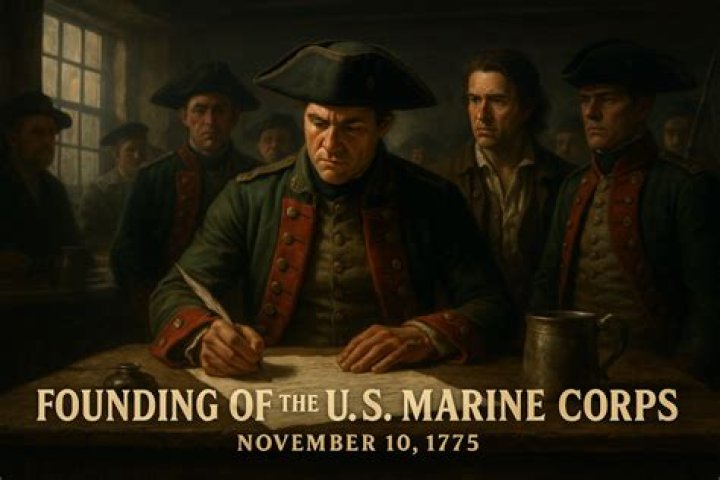
The US Marine Corps is one of the most respected and revered military branches in the United States, but where was the US Marine Corps founded? This question has intrigued many history enthusiasts and military aficionados alike. The origins of the Marine Corps date back to the early days of the American Revolution, and its founding story is deeply intertwined with the nation's struggle for independence.
The US Marine Corps, known for its elite training and unwavering commitment to defending the nation, was officially established during a tumultuous period in American history. Understanding its founding not only provides insight into the Corps' origins but also sheds light on the broader context of the Revolutionary War and the birth of the United States.
In this article, we will delve deep into the history of the US Marine Corps, exploring its founding location, key figures involved, and the significance of this event. Whether you're a history buff or simply curious about the origins of this storied military branch, this article aims to provide a comprehensive and engaging overview.
The Founding Location of the US Marine Corps
On November 10, 1775, the Continental Congress officially resolved to establish two battalions of Marines. This historic decision took place in Philadelphia, Pennsylvania, marking the birth of the United States Marine Corps. The founding location, however, is not limited to the city itself but is deeply tied to a specific establishment known as Tun Tavern.
Why Philadelphia?
Philadelphia was the heart of the American Revolution at the time. As the seat of the Continental Congress, it was the logical place for such a significant decision to be made. The city was bustling with activity, and its strategic importance made it an ideal location for the establishment of a new military branch.
Tun Tavern: The Birthplace
Tun Tavern, located on Water Street in Philadelphia, played a pivotal role in the founding of the Marine Corps. It served as the recruiting station for the first Marines, and it was here that Samuel Nicholas, the first commissioned officer of the Marine Corps, began recruiting men to serve in the new branch.
Historical Background of the Marine Corps
The history of the Marine Corps is rich and complex, dating back to the days when the United States was still a fledgling nation. Understanding the historical context surrounding its founding provides a deeper appreciation for the Corps' enduring legacy.
Revolutionary War Context
The American Revolutionary War was raging when the Continental Congress made the decision to create the Marine Corps. The need for a specialized force capable of conducting amphibious operations and supporting naval missions was evident. The Marines were initially tasked with serving aboard naval vessels, providing security, and engaging in combat when necessary.
Key Figures in the Founding of the Marine Corps
Several key figures played crucial roles in the establishment of the Marine Corps. Their leadership and vision helped shape the Corps into the formidable force it is today.
Samuel Nicholas
Samuel Nicholas is often regarded as the first Commandant of the Marine Corps. His efforts in recruiting and organizing the first Marines laid the foundation for the Corps' future success. Nicholas was commissioned as a Captain of Marines by the Continental Congress.
Robert Mullan
Robert Mullan, the proprietor of Tun Tavern, played a vital role in the early days of the Marine Corps. His tavern served as the recruitment hub, and Mullan's connections in Philadelphia helped attract capable men to the new military branch.
Significance of the Founding
The founding of the Marine Corps was a pivotal moment in American history. It marked the creation of a specialized military force capable of addressing the unique challenges faced by the fledgling nation. The Corps' ability to conduct amphibious operations and provide support to naval missions proved invaluable during the Revolutionary War and beyond.
Amphibious Operations
One of the Marine Corps' defining characteristics is its expertise in amphibious warfare. From its inception, the Corps was designed to operate in environments where land and sea meet, making it a crucial asset in both offensive and defensive military operations.
The Tavern Tale: Tun Tavern and the Marine Corps
Tun Tavern holds a special place in Marine Corps history. This historic establishment not only served as the recruitment center for the first Marines but also became a symbol of the Corps' humble beginnings.
Tun Tavern's Legacy
Today, Tun Tavern is remembered as the birthplace of the Marine Corps. While the original tavern no longer stands, its legacy lives on through the traditions and values of the Corps. The tavern's role in the Corps' founding is celebrated during annual commemorations of the Marine Corps Birthday.
The Marine Corps in Modern-Day America
The Marine Corps has evolved significantly since its founding in 1775. Today, it is one of the most technologically advanced and well-trained military branches in the world. The Corps continues to uphold its mission of defending the nation and its interests both at home and abroad.
Modern Missions
In addition to its traditional role in amphibious operations, the Marine Corps is involved in a wide range of missions, including disaster relief, counterterrorism, and humanitarian efforts. The Corps' adaptability and versatility make it a vital component of the United States' military strategy.
Traditions and Legacy of the Marine Corps
The Marine Corps is renowned for its traditions, which have been passed down through generations of Marines. These traditions serve as a reminder of the Corps' storied past and the sacrifices made by those who have served.
Marine Corps Birthday
Every year on November 10th, Marines around the world celebrate the Marine Corps Birthday. This tradition honors the founding of the Corps and pays tribute to those who have served. The celebration includes formal ceremonies, parades, and the cutting of the birthday cake.
Statistical Insights into the Marine Corps
To better understand the Marine Corps, it is helpful to examine some key statistics. These figures provide insight into the size, structure, and impact of the Corps.
- The Marine Corps has approximately 186,000 active-duty personnel.
- It operates over 300 aircraft and maintains a fleet of amphibious assault vehicles.
- The Corps has participated in numerous conflicts, including World War II, the Korean War, the Vietnam War, and the War on Terror.
Comparison with Other Military Branches
The Marine Corps is often compared to other branches of the U.S. military, such as the Army, Navy, and Air Force. While each branch has its unique strengths and missions, the Marine Corps stands out for its specialized focus on amphibious operations and rapid deployment capabilities.
Differentiating Factors
One of the key differences between the Marine Corps and other branches is its emphasis on expeditionary warfare. The Corps is designed to respond quickly to crises and deploy forces to any location around the world within a short timeframe.
Conclusion and Call to Action
In conclusion, the question of "where was the US Marine Corps founded?" leads us to Philadelphia, Pennsylvania, and the historic Tun Tavern. The Marine Corps' founding in 1775 marked the beginning of a proud tradition of service and sacrifice. From its humble beginnings to its status as a world-class military force, the Marine Corps has played a vital role in shaping the history of the United States.
We encourage readers to delve deeper into the rich history of the Marine Corps and to honor the brave men and women who have served. Share this article with fellow history enthusiasts and explore other articles on our website to learn more about the fascinating world of military history.