White House History: A Comprehensive Journey Through Time
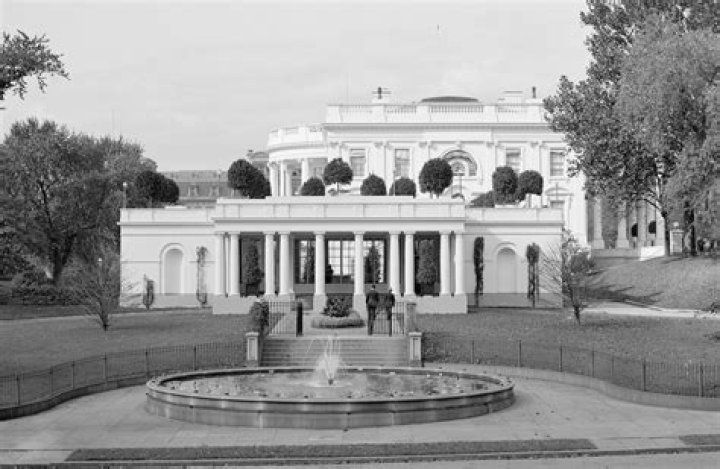
The White House history is a fascinating journey through the annals of American politics and culture. As the iconic symbol of the United States presidency, the White House has witnessed some of the most pivotal moments in history. From its construction to its role as the center of political power, this architectural masterpiece continues to inspire awe and admiration.
The White House is more than just a building; it is a living testament to the evolution of American governance and society. This article delves into the rich history of the White House, exploring its origins, architectural design, and the significant events that have taken place within its walls. Whether you're a history enthusiast or simply curious about the White House history, this guide offers an in-depth look at one of the world's most famous landmarks.
This article aims to provide a detailed exploration of the White House's historical significance, its architectural marvels, and its role in shaping the nation's identity. By the end of this piece, you'll have a comprehensive understanding of why the White House remains a cornerstone of American heritage.
The Construction of the White House
The foundation of the White House history begins with its construction. In 1792, a competition was held to find an architect for the new presidential residence. Irish-born architect James Hoban won the commission with his design inspired by European neoclassical architecture. Construction began in October 1792, and the building was completed in 1800.
Building the White House was no small feat. Skilled laborers, including enslaved African Americans, played a crucial role in its construction. Sandstone was used for the exterior, which was later painted white with paint containing white pigment and lead. The original building consisted of the main residence and two connecting wings.
Key Construction Milestones
- 1792: Architect James Hoban wins the design competition.
- 1800: The White House is completed and becomes the presidential residence.
- 1814: The White House is burned during the War of 1812 but is rebuilt.
Architectural Design and Features
The architectural design of the White House reflects the neoclassical style popular in the late 18th century. Its symmetry, grandeur, and simplicity have made it an enduring symbol of American democracy. The White House spans six floors, including the ground floor, state floor, second floor, and third floor.
One of the most recognizable features of the White House is the iconic North Portico, which serves as the main entrance. The East and West Wings were added later to accommodate the growing needs of the presidency. The East Wing houses the offices of the First Lady and other staff, while the West Wing contains the Oval Office, the Situation Room, and the press briefing room.
Architectural Innovations
- Use of sandstone for durability and aesthetic appeal.
- Incorporation of modern technology, such as central heating and electricity, over the years.
- Expansion of wings to adapt to the evolving role of the presidency.
The White House as a Presidential Residence
As the official residence of the President of the United States, the White House plays a dual role as both a home and an office. Each president has left their mark on the residence, from redecorating the interior to hosting historic events. The White House includes 132 rooms, 35 bathrooms, and six levels of living and working space.
Some of the most famous rooms include the State Dining Room, the East Room, and the Lincoln Bedroom. These spaces are not only used for official functions but also for personal gatherings and family moments. The White House grounds feature lush gardens, including the Rose Garden and the South Lawn, which are often used for public events.
Presidential Traditions
- Annual Easter Egg Roll on the South Lawn.
- Thanksgiving turkey pardoning ceremony.
- Christmas celebrations with elaborate decorations.
Historical Events at the White House
The White House has been the backdrop for numerous historical events that have shaped the nation's history. From signing landmark legislation to hosting world leaders, the building has witnessed moments of triumph, tragedy, and transformation.
One of the most notable events was the signing of the Emancipation Proclamation by President Abraham Lincoln in 1863. The White House also played a central role during the Civil Rights Movement, with President Lyndon B. Johnson signing the Civil Rights Act of 1964 in the White House. In addition, the White House has hosted numerous peace talks, including the Camp David Accords in 1978.
Significant Events
- Signing of the Emancipation Proclamation.
- Passage of the Civil Rights Act.
- Camp David Accords.
Restoration Efforts Over the Years
Throughout its history, the White House has undergone several restoration efforts to preserve its integrity and beauty. One of the most extensive renovations took place during the Truman administration in the 1950s. The interior of the building was gutted and rebuilt to address structural issues, while the exterior was carefully restored to maintain its historical appearance.
More recent restoration efforts have focused on modernizing the White House while respecting its historical significance. Energy-efficient systems have been installed, and the building has been updated to meet contemporary safety standards.
Restoration Highlights
- Truman renovation (1948-1952).
- Modernization of electrical and plumbing systems.
- Installation of solar panels and energy-efficient lighting.
The White House in Modern-Day Politics
In today's political landscape, the White House continues to serve as the epicenter of American governance. It is the site of daily press briefings, policy discussions, and diplomatic meetings. The West Wing, in particular, has become synonymous with the inner workings of the presidency.
Technology has played a significant role in shaping the modern White House. Social media platforms allow the public to engage with the presidency in unprecedented ways, while digital tools facilitate communication and collaboration within the administration.
Modern-Day Functions
- Press briefings and media relations.
- Diplomatic engagements and international summits.
- Policy development and legislative advocacy.
Visiting the White House
Visiting the White House is a unique opportunity to experience American history firsthand. Public tours are available through congressional offices, allowing visitors to explore parts of the building that are not typically open to the public. The White House Visitor Center provides additional information and exhibits about the building's history.
For those unable to visit in person, virtual tours offer an interactive way to explore the White House from anywhere in the world. These tours provide a glimpse into the iconic rooms and historical artifacts housed within the building.
Tour Information
- Public tours available through congressional offices.
- Virtual tours accessible online.
- White House Visitor Center for additional resources.
Security Measures Around the White House
As a symbol of American democracy, the White House is protected by stringent security measures. The United States Secret Service is responsible for ensuring the safety of the president, the White House complex, and its visitors. Perimeter fencing, checkpoints, and surveillance systems are in place to maintain security.
In recent years, security protocols have been enhanced to address emerging threats. The White House complex is a restricted area, and access is tightly controlled. Visitors must undergo security screenings, and certain areas remain off-limits to the public.
Security Features
- United States Secret Service protection.
- Perimeter fencing and surveillance cameras.
- Restricted access zones.
Controversies Surrounding the White House
Like any historical landmark, the White House has not been immune to controversies. Issues related to its construction, such as the use of enslaved labor, have sparked debates about its legacy. Additionally, the building has faced criticism over accessibility and inclusivity, with calls for greater representation of diverse voices in its history.
Contemporary controversies often center around the role of the White House in modern politics. Debates over transparency, accountability, and the use of executive power have dominated public discourse. Despite these challenges, the White House remains a powerful symbol of American democracy.
Controversy Points
- Use of enslaved labor during construction.
- Debates over accessibility and inclusivity.
- Contemporary political controversies.
The Future of the White House
Looking ahead, the White House will continue to evolve as a symbol of American democracy and a center of political power. Ongoing restoration efforts will ensure its preservation for future generations, while technological advancements will enhance its functionality and accessibility.
As the nation grapples with complex challenges, the White House will remain a focal point for addressing issues of national and global importance. Its history serves as a reminder of the progress made and the work yet to be done in building a more inclusive and equitable society.
Future Prospects
- Ongoing restoration and preservation efforts.
- Integration of technology to enhance functionality.
- Continued role as a symbol of American democracy.
Kesimpulan
The White House history is a rich tapestry of architectural innovation, political significance, and cultural heritage. From its construction to its role in shaping the nation's identity, the White House remains a cornerstone of American democracy. This article has explored its origins, architectural design, historical events, and modern-day significance, offering a comprehensive understanding of this iconic landmark.
We invite you to share your thoughts and reflections in the comments section below. For more insights into American history and culture, explore our other articles on the site. Together, let's celebrate the enduring legacy of the White House and its role in shaping the nation's future.