White House When Built: The Fascinating History and Legacy of America's Most Famous Residence
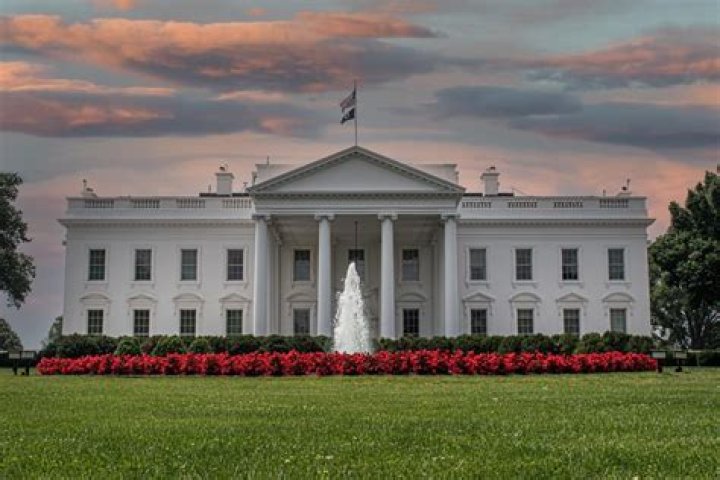
The White House, one of the most iconic symbols of American democracy, has stood as a testament to the nation's history and progress since its construction began in 1792. As the official residence and workplace of the President of the United States, it represents the heart of American governance and serves as a powerful symbol of leadership. The story of when the White House was built is a captivating journey through architecture, politics, and innovation.
This historic building has witnessed countless pivotal moments in American history, from presidential inaugurations to state dinners and international diplomacy. Understanding the timeline of its construction and the vision behind it provides valuable insight into the early days of the United States and its commitment to establishing a stable and enduring government.
In this article, we will explore the origins of the White House, its construction process, architectural design, and the challenges faced during its creation. We'll also delve into its significance in American culture and its evolution over the years. Let's uncover the story of when the White House was built and how it became the symbol it is today.
The Origin of the White House Concept
The idea of constructing a presidential residence dates back to the founding of the United States. In 1790, the Residence Act was passed, which authorized the establishment of a federal district to serve as the nation's capital. This decision led to the creation of Washington, D.C., where the White House would eventually be built.
President George Washington played a crucial role in selecting the site for the White House, ensuring it was central to the new capital city. Irish-born architect James Hoban won the competition to design the building, inspired by European neoclassical architecture. The cornerstone of the White House was laid on October 13, 1792, marking the official start of construction.
Why Was the White House Built?
The primary purpose of the White House was to provide a formal residence for the President of the United States. It was designed to symbolize the power and stability of the federal government while maintaining an approachable and welcoming atmosphere. The building was also intended to serve as a gathering place for state functions and diplomatic events.
Construction Process of the White House
Construction of the White House began in 1792, with the initial work focusing on laying the foundation and building the main structure. Skilled laborers, including both free and enslaved workers, were employed to complete the project. The building was primarily constructed using sandstone, which was quarried locally in Aquia Creek, Virginia.
Despite the challenges of building such a massive structure in the late 18th century, the White House was completed in 1800. It became the official residence of President John Adams and his wife, Abigail Adams, who were the first occupants of the building.
Materials Used in Construction
- Sandstone from Aquia Creek
- Brick and wood for interior structures
- Paint containing white lead to protect the sandstone
Architectural Design and Style
The White House was designed in the neoclassical style, reflecting the architectural trends of the time. Its symmetrical design and grand columns evoke the classical architecture of ancient Greece and Rome, symbolizing the democratic ideals of the new nation.
James Hoban's design included a central building with two wings, one for executive offices and the other for residential purposes. Over the years, additional wings and expansions have been added to accommodate the growing needs of the presidency.
Key Features of the White House
- North Portico: The iconic entrance facing Pennsylvania Avenue
- South Portico: The rear entrance overlooking the White House lawn
- State Rooms: Formal rooms used for official functions
Challenges During Construction
The construction of the White House faced numerous challenges, including financial constraints, labor shortages, and political disputes. The project was initially funded through public lotteries and private donations, but these funds were often insufficient to cover the costs of construction.
Additionally, the harsh working conditions and reliance on enslaved labor created ethical concerns that continue to be discussed today. Despite these challenges, the White House was completed in just eight years, a testament to the dedication and skill of those involved in its construction.
Overcoming Financial Constraints
To address financial issues, Congress approved additional funding for the project, ensuring its completion. The use of local materials and labor also helped reduce costs, although this came at the expense of fair labor practices.
Completion and Early Use
The White House was officially completed in 1800, although it underwent several modifications and renovations over the years. President John Adams and his family moved into the building in November 1800, making it the first presidential residence in Washington, D.C.
During its early years, the White House hosted numerous state dinners, receptions, and diplomatic events. It quickly became a symbol of American leadership and a focal point for national politics.
Life in the Early White House
The early occupants of the White House faced numerous challenges, including incomplete construction and limited amenities. However, they worked diligently to establish the building as a center of government and diplomacy. The addition of furnishings and decorations helped transform the White House into a more welcoming and functional space.
Renovations and Restorations
Throughout its history, the White House has undergone numerous renovations and restorations to address structural issues and modernize its facilities. One of the most significant renovations occurred after the War of 1812, when British forces set fire to the building. The restoration efforts, led by James Hoban, ensured the White House retained its original character while incorporating necessary improvements.
In the 20th century, extensive renovations were undertaken to address plumbing, electrical, and structural issues. These efforts helped preserve the building for future generations while maintaining its historical integrity.
Modern Renovations
Recent renovations have focused on upgrading the White House's technological infrastructure and improving accessibility for all visitors. These updates ensure the building remains a functional and welcoming space for both the President and the American public.
Historical Events at the White House
The White House has been the site of countless historical events, from presidential inaugurations to international summits. It has hosted world leaders, dignitaries, and celebrities, serving as a stage for diplomacy and celebration.
Some of the most notable events include the signing of the Emancipation Proclamation by President Abraham Lincoln, the hosting of the Camp David Accords by President Jimmy Carter, and numerous state visits by foreign leaders.
Significant Moments in White House History
- 1814: The White House is burned during the War of 1812
- 1863: Lincoln signs the Emancipation Proclamation
- 1972: Nixon hosts a state dinner for Chinese leader Zhou Enlai
The White House as a Presidential Residence
As the official residence of the President of the United States, the White House serves as both a private home and a public institution. It provides a comfortable living space for the First Family while also accommodating the demands of the presidency.
The private quarters of the White House include bedrooms, offices, and recreational areas for the President and their family. These spaces are designed to offer a sense of normalcy and privacy amidst the pressures of public life.
Life for the First Family
Living in the White House offers unique opportunities and challenges for the First Family. They must balance their personal lives with the demands of the presidency, often hosting events and engaging with the public in their role as representatives of the nation.
The Visitor Experience at the White House
Each year, thousands of visitors tour the White House, gaining a glimpse into its rich history and architectural beauty. Guided tours offer insights into the building's design, history, and significance, providing a deeper understanding of its role in American democracy.
Visitors can explore the State Rooms, including the East Room, Blue Room, and Red Room, each of which has its own unique history and significance. The White House grounds also offer beautiful views and outdoor spaces for visitors to enjoy.
Tips for Visiting the White House
- Book tickets well in advance through your congressional representative
- Arrive early for your tour to ensure a smooth entry process
- Wear comfortable shoes and dress appropriately for the weather
The Legacy of the White House
The White House stands as a symbol of American democracy and leadership, representing the enduring values of the nation. Its construction and evolution over the years reflect the challenges and triumphs of the United States, making it a cherished landmark for citizens and visitors alike.
As we reflect on the history of when the White House was built, we gain a deeper appreciation for its significance in shaping the nation's identity. Its role as the official residence of the President ensures its continued importance in American politics and culture.
Conclusion
In conclusion, the White House's construction and history offer a fascinating glimpse into the early days of the United States and its commitment to establishing a stable and enduring government. From its origins in 1792 to its current role as a symbol of American leadership, the White House remains a powerful reminder of the nation's progress and resilience.
We invite you to share your thoughts and experiences in the comments below. Have you visited the White House? What did you find most interesting about its history? Don't forget to explore our other articles on American history and culture for more insights into the nation's rich heritage.