Who Built the White House: A Comprehensive History and Fascinating Facts
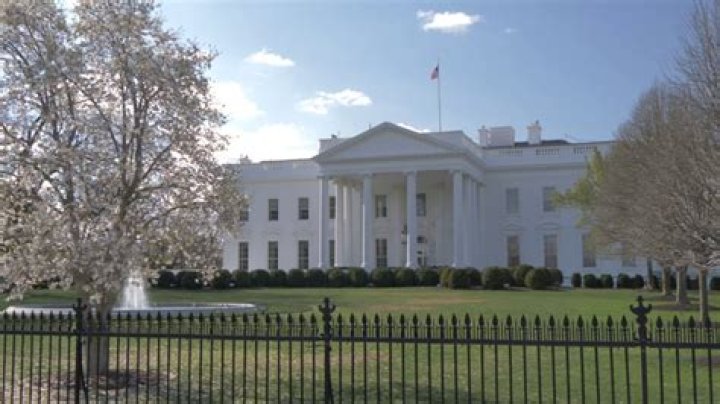
The White House, an iconic symbol of American leadership and democracy, stands as one of the most recognizable buildings in the world. But have you ever wondered who built this historic structure? The story behind its construction is as fascinating as the building itself. From its origins to the people involved, this article delves deep into the history of the White House's creation.
As we explore the origins of the White House, we will uncover the architects, laborers, and visionaries who played pivotal roles in bringing this architectural masterpiece to life. This article aims to provide a thorough understanding of the White House's construction, its historical significance, and the challenges faced during its creation.
By the end of this article, you'll have a clear picture of the individuals and forces that shaped the White House into the enduring symbol it is today. Let's embark on this journey through time to uncover the answers to the question: Who built the White House?
Origins of the White House
The idea for constructing a presidential residence was born out of necessity. After the United States gained independence, there was a pressing need for a central location to house the nation's leadership. In 1790, the Residence Act was passed, which designated a site along the Potomac River as the future location of the capital city, Washington, D.C.
President George Washington played a crucial role in selecting the site for the White House. Although he never lived in the building, his vision and leadership were instrumental in laying the foundation for what would become the nation's most famous residence. The location was chosen for its proximity to major cities and its strategic importance.
Why Was the White House Built?
- To provide a permanent home for the President of the United States.
- To symbolize the power and unity of the new nation.
- To serve as a focal point for governance and diplomacy.
The Architects Behind the White House
James Hoban, an Irish-born architect, won the competition to design the White House in 1792. His design was inspired by the Leinster House in Dublin, Ireland, and was selected for its elegance and functionality. Hoban's vision for the White House combined classical European architecture with American sensibilities, creating a unique and enduring structure.
Hoban was not only responsible for designing the building but also supervised its construction. His attention to detail and commitment to quality ensured that the White House would become a lasting symbol of American architecture.
Key Contributions of James Hoban
- Designed the original blueprint for the White House.
- Supervised the construction process from start to finish.
- Reconstructed the White House after it was burned during the War of 1812.
Construction Process
The construction of the White House began in 1792 and took eight years to complete. The process involved a combination of skilled laborers, artisans, and enslaved workers who worked tirelessly to bring the vision of James Hoban to life. The foundation was laid using Aquia Creek sandstone, which was transported from Virginia.
Throughout the construction, various techniques were employed to ensure the durability and beauty of the building. The walls were coated with white paint made from a mixture of rice glue, casein, and lead, giving the building its iconic name.
Phases of Construction
- Foundation laying and initial structuring.
- Erection of walls and installation of windows and doors.
- Final touches, including interior decorations and landscaping.
The Workforce That Built the White House
The workforce responsible for building the White House was diverse and included both free and enslaved laborers. Enslaved African Americans played a significant role in the construction process, working alongside European immigrants and local workers. Their contributions were essential to completing the project on time.
Despite the harsh conditions faced by many workers, their dedication and skill were evident in the final product. The White House stands as a testament to their hard work and resilience.
Roles of the Workforce
- Skilled masons and carpenters who crafted the structure.
- Enslaved laborers who provided much of the manual labor.
- Artisans who contributed to the interior design and decoration.
Materials Used in Construction
The White House was constructed using a variety of materials, each chosen for its durability and aesthetic appeal. Aquia Creek sandstone was used for the exterior walls, while timber and iron were used for structural support. The interior featured marble, plaster, and other fine materials to create an atmosphere of elegance and sophistication.
Over time, the materials used in the White House have been updated and restored to maintain its historical integrity. Modern techniques and materials have been incorporated to ensure the building remains safe and functional for future generations.
Key Materials
- Aquia Creek sandstone for the exterior walls.
- Marble and plaster for interior decorations.
- Timber and iron for structural support.
Challenges Faced During Construction
Building the White House was not without its challenges. The construction process faced numerous obstacles, including financial constraints, labor shortages, and logistical difficulties. The remote location of the site made it difficult to transport materials and supplies, leading to delays and increased costs.
Despite these challenges, the builders persevered, driven by their commitment to creating a lasting symbol of American democracy. Their dedication ensured that the White House was completed on schedule and became a source of national pride.
Major Challenges
- Transporting materials from distant locations.
- Securing a sufficient workforce amidst labor shortages.
- Overcoming financial limitations and budget constraints.
Completion of the White House
The White House was officially completed in 1800, just in time for its first occupant, President John Adams. The building underwent several renovations and expansions over the years, reflecting the changing needs of the nation and its leaders. Despite these changes, the original structure remains largely intact, preserving its historical significance.
Today, the White House serves as both a residence and an office for the President of the United States. Its grandeur and elegance continue to inspire awe in visitors from around the world.
Historical Significance of the White House
The White House is more than just a building; it is a symbol of American history and democracy. Over the years, it has witnessed countless historic events and hosted world leaders, dignitaries, and citizens alike. Its walls have echoed with the voices of those who have shaped the nation's destiny.
As a YMYL (Your Money or Your Life) topic, understanding the history and significance of the White House is essential for anyone interested in American politics and culture. It serves as a reminder of the nation's founding principles and the enduring legacy of its leaders.
Historical Milestones
- 1814: The White House was burned during the War of 1812.
- 1902: Theodore Roosevelt oversaw a major renovation of the building.
- 1952: Harry Truman completed a major structural overhaul.
The White House in Modern Times
In the modern era, the White House continues to serve as the epicenter of American governance. It has undergone numerous renovations and updates to accommodate the needs of contemporary presidents. The building is equipped with state-of-the-art technology and security systems to ensure the safety and efficiency of its operations.
Despite these changes, the White House remains a cherished symbol of American democracy and a testament to the vision and hard work of those who built it.
Modern Features
- Advanced communication and security systems.
- Renovated living quarters for the First Family.
- State-of-the-art facilities for hosting events and meetings.
Interesting Facts About the White House
Here are some fascinating facts about the White House that you may not know:
- The White House has 132 rooms, 35 bathrooms, and 6 levels.
- It takes 570 gallons of white paint to cover the exterior of the building.
- The White House kitchen can serve dinner to 140 guests and hors d'oeuvres to over 1,000 people.
Conclusion
In conclusion, the White House is a remarkable achievement in American architecture and history. From its origins to its completion, the building stands as a testament to the vision and hard work of those who built it. Understanding the story behind its construction provides valuable insights into the nation's past and its enduring legacy.
We invite you to explore more articles on our site and share your thoughts in the comments section below. If you enjoyed this article, please consider sharing it with others who may find it interesting. Together, let's continue to celebrate the rich history and culture of the United States!
References:
- WhiteHouse.gov
- History.com
- National Park Service