Who Is the Leader of Turkey? A Comprehensive Guide to Understanding Turkish Leadership
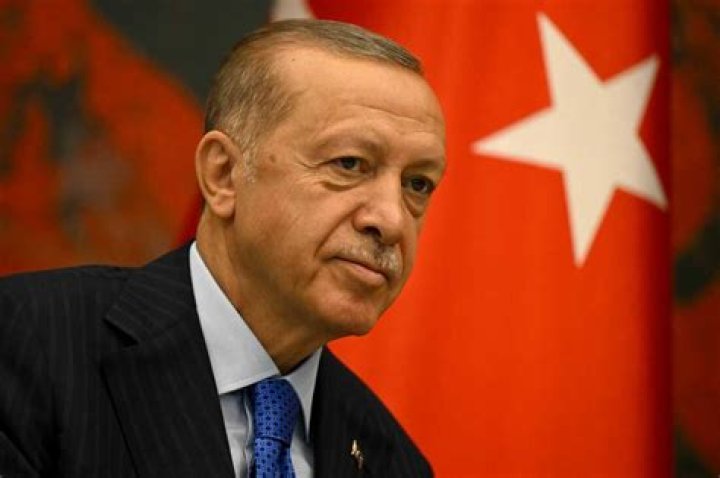
Understanding the political landscape of Turkey is crucial, especially in light of its growing influence on the global stage. As one of the most prominent countries in the Middle East and a NATO member, Turkey plays a pivotal role in regional and international affairs. The leader of Turkey holds immense power and responsibility, shaping the nation's policies, economy, and diplomatic relations. This article aims to provide a detailed overview of Turkey's current leader, their background, and their impact on the country's trajectory.
Turkey's leadership has been a subject of interest for many global observers due to its strategic location at the crossroads of Europe and Asia. The nation's leader is not just a figurehead but a key decision-maker who influences domestic and foreign policies. This article explores who is leading Turkey today, their journey to power, and the challenges they face in maintaining stability and progress.
As we delve deeper into the role of Turkey's leader, it's important to recognize how their decisions affect millions of lives within the country and beyond. From economic reforms to geopolitical strategies, understanding the leader's vision is essential for anyone interested in Turkey's future. Let's begin by examining the current political landscape and identifying the leader of Turkey.
Who is the Current Leader of Turkey?
Turkey's current leader is President Recep Tayyip Erdoğan, who has been a dominant figure in Turkish politics for over two decades. Erdoğan, first elected as Prime Minister in 2003, later became the country's President in 2014. His leadership style, characterized by strong executive powers, has significantly shaped Turkey's political and economic landscape. As the leader of Turkey, Erdoğan continues to influence both domestic and international affairs, making him a central figure in global discussions about Turkey.
Erdoğan's Leadership Style
Erdoğan's leadership is often described as authoritative and decisive. He has implemented various policies aimed at strengthening Turkey's position on the global stage. His approach emphasizes national sovereignty and self-reliance, which resonates with many Turkish citizens. However, his leadership style has also sparked debates about democracy and human rights within the country.
Biography of the Leader
Recep Tayyip Erdoğan was born on February 26, 1954, in the Kasımpaşa district of Istanbul, Turkey. He grew up in a modest family and developed an early interest in politics and public service. Erdoğan's journey from a young boy with humble beginnings to becoming one of the most influential leaders in the region is a testament to his determination and leadership qualities.
Early Life and Education
Erdoğan's early life was marked by challenges and opportunities. He attended İmam Hatip School, a religious high school, and later studied business administration at Marmara University. His early exposure to religious and educational institutions laid the foundation for his political career.
| Biodata | Details |
|---|---|
| Full Name | Recep Tayyip Erdoğan |
| Birthdate | February 26, 1954 |
| Place of Birth | Istanbul, Turkey |
| Education | Marmara University (Business Administration) |
| Political Affiliation | Justice and Development Party (AKP) |
Political Career and Rise to Power
Erdoğan's political career began in the early 1990s when he was elected as the Mayor of Istanbul. During his tenure, he implemented several successful urban development projects, earning him widespread recognition. His popularity grew, and in 2001, he co-founded the Justice and Development Party (AKP), which became a dominant force in Turkish politics.
Key Political Milestones
- 2003: Elected as Prime Minister of Turkey
- 2014: Elected as President of Turkey
- 2017: Referendum strengthens presidential powers
- 2018: Re-elected as President under the new presidential system
Key Achievements of the Leader
Throughout his tenure, Erdoğan has achieved several milestones that have transformed Turkey's socio-economic landscape. His focus on infrastructure development, education, and healthcare has significantly improved the quality of life for millions of Turks.
Economic Reforms
Under Erdoğan's leadership, Turkey has witnessed substantial economic growth. The government has invested heavily in infrastructure projects, including airports, highways, and bridges. Additionally, reforms in the banking and financial sectors have contributed to economic stability.
Challenges Faced by the Leader
Despite his achievements, Erdoğan faces numerous challenges, including economic instability, geopolitical tensions, and domestic political opposition. The country's economy has experienced fluctuations, and inflation remains a significant concern for many citizens.
Domestic Challenges
Internally, Erdoğan must address issues such as unemployment, income inequality, and social unrest. The government's response to these challenges will determine the long-term stability of the nation.
Domestic Policies and Reforms
Erdoğan's domestic policies focus on enhancing social welfare, improving education, and promoting gender equality. His administration has launched several initiatives aimed at empowering women and supporting marginalized communities.
Social Welfare Initiatives
One of the key areas of focus for Erdoğan's administration is social welfare. Programs aimed at reducing poverty and improving access to healthcare have been implemented across the country. These initiatives have positively impacted millions of families.
Foreign Relations and Diplomacy
Turkey's foreign relations under Erdoğan's leadership have been characterized by a multi-dimensional approach. The country maintains strong ties with both Western nations and its neighbors in the Middle East. Erdoğan's diplomatic efforts aim to position Turkey as a regional power capable of influencing global affairs.
Regional Influence
Turkey plays a crucial role in regional diplomacy, particularly in the Middle East and the Balkans. Erdoğan's administration has worked to strengthen alliances and resolve conflicts in these regions.
Criticisms and Controversies
While Erdoğan's leadership has brought about significant changes, it has not been without criticism. Critics argue that his administration has curtailed press freedom and suppressed political dissent. Additionally, concerns about human rights violations have been raised by international organizations.
Human Rights Concerns
The Turkish government's approach to human rights has been a point of contention. Reports of restrictions on freedom of speech and assembly have drawn attention from global human rights watchdogs. Addressing these concerns is essential for maintaining Turkey's reputation on the world stage.
Future Prospects for Turkey
Looking ahead, Turkey's future under Erdoğan's leadership holds both opportunities and challenges. The country's strategic location and growing economy position it as a key player in global affairs. However, addressing domestic issues and fostering international cooperation will be crucial for long-term success.
Economic Outlook
Turkey's economic outlook remains optimistic, with potential for growth in various sectors. Continued investment in technology, renewable energy, and tourism could drive the economy forward. However, managing inflation and ensuring financial stability will be critical priorities.
Conclusion
In conclusion, Recep Tayyip Erdoğan is the current leader of Turkey, wielding significant influence over the nation's political, economic, and social landscape. His leadership has brought about transformative changes, but it has also faced challenges and criticisms. Understanding the complexities of Turkey's leadership is essential for anyone interested in the country's future. We encourage readers to explore further resources and stay informed about developments in Turkey.
Feel free to leave your thoughts and questions in the comments section below. Additionally, if you enjoyed this article, please consider sharing it with others who might find it valuable. For more insights into global politics and leadership, explore our other articles on the website.