Why Was the Republican Party Formed: A Comprehensive Historical Analysis

Understanding the origins of the Republican Party is essential in grasping the political dynamics of the United States. Formed during a tumultuous period in American history, the party emerged as a response to pressing social and economic issues. The Republican Party's formation was driven by a desire to address critical challenges, particularly the abolition of slavery, which became a cornerstone of its early platform.
The Republican Party, often referred to as the "Grand Old Party" (GOP), has played a pivotal role in shaping the political landscape of the United States. Its formation was a reaction to the divisive issues of the mid-19th century, particularly the expansion of slavery into new territories. This historical context is crucial in understanding the party's values and principles.
As we delve deeper into the reasons behind the formation of the Republican Party, it becomes evident that its inception was not just a political move but a moral stance against the injustices of the time. This article will explore the historical background, key figures, and the lasting impact of the party's formation on American politics.
Historical Background of the Republican Party
The Republican Party was officially formed in 1854, a period marked by significant social and political upheaval in the United States. The party emerged as a coalition of anti-slavery activists, former Whigs, and Free Soilers who sought to counteract the dominance of the Democratic Party. The Kansas-Nebraska Act of 1854, which allowed states to decide whether to allow slavery through popular sovereignty, was a catalyst for the party's formation.
Key Events Leading to Formation
- The Missouri Compromise of 1820 set a precedent for balancing slave and free states.
- The Fugitive Slave Act of 1850 intensified tensions between pro-slavery and anti-slavery factions.
- The Dred Scott decision in 1857 further polarized the nation on the issue of slavery.
These events underscored the urgent need for a political entity that could address the growing divide over slavery and its expansion. The Republican Party's formation was a direct response to these challenges, emphasizing the need for a unified approach to national governance.
Key Issues Leading to the Formation
Several key issues contributed to the formation of the Republican Party. Among these were the abolition of slavery, economic development, and the expansion of democratic principles. The party's platform was built on the belief that slavery was morally wrong and economically unsustainable. It also advocated for policies that promoted industrial growth and infrastructure development.
Abolition of Slavery
The abolition of slavery was the most pressing issue at the time. The Republican Party stood firmly against the expansion of slavery into new territories, arguing that it violated the principles of liberty and equality enshrined in the Declaration of Independence. This stance resonated with many Americans who were increasingly opposed to the institution of slavery.
Early Leaders of the Republican Party
The Republican Party was shaped by a group of influential leaders who played pivotal roles in its formation and early success. Among these leaders were Abraham Lincoln, William Seward, and Salmon P. Chase. These individuals brought a wealth of experience and vision to the party, helping to define its core values and principles.
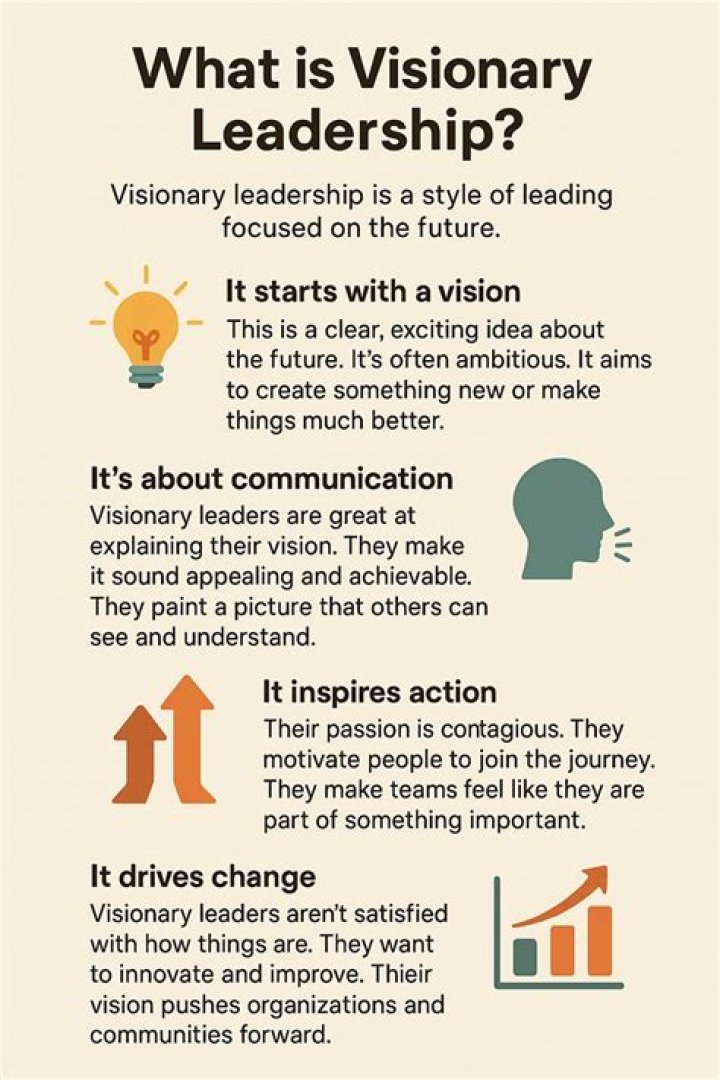
Abraham Lincoln: A Visionary Leader
Abraham Lincoln, who later became the 16th President of the United States, was instrumental in shaping the Republican Party's early agenda. His leadership during the Civil War solidified the party's commitment to preserving the Union and ending slavery. Lincoln's Emancipation Proclamation in 1863 was a defining moment in the party's history.
The Abolitionist Movement and Its Influence
The abolitionist movement was a powerful force that influenced the formation of the Republican Party. Activists such as Frederick Douglass, William Lloyd Garrison, and Harriet Beecher Stowe advocated tirelessly for the end of slavery. Their efforts helped to galvanize public opinion and build support for the Republican Party's anti-slavery platform.
Key Figures in the Abolitionist Movement
- Frederick Douglass: A former slave who became a prominent speaker and writer.
- William Lloyd Garrison: Founder of the anti-slavery newspaper "The Liberator."
- Harriet Beecher Stowe: Author of "Uncle Tom's Cabin," which exposed the harsh realities of slavery.
Their contributions were instrumental in shaping the moral and ethical foundation of the Republican Party.
Economic Factors in the Party's Formation
Economic considerations also played a significant role in the formation of the Republican Party. The party advocated for policies that promoted industrial growth and infrastructure development. This included support for tariffs to protect American industries and investments in transportation systems such as railroads. These economic policies were designed to create a more prosperous and equitable society.
Tariff Policies
The Republican Party supported protective tariffs to shield American industries from foreign competition. This policy was particularly important in the northern states, where manufacturing was a key component of the economy. By promoting industrial growth, the party aimed to create jobs and improve living standards for all Americans.
State-Level Impact of the Republican Party
The Republican Party's influence extended beyond national politics, impacting state-level governance as well. In states such as Wisconsin, Michigan, and Illinois, the party quickly gained traction and began to shape local policies. Its commitment to social justice and economic development resonated with many voters, leading to significant electoral successes.
Wisconsin: A Stronghold for the Republican Party
Wisconsin was one of the first states to embrace the Republican Party, hosting its first official meeting in Ripon in 1854. The state's progressive stance on social issues and its support for industrial development made it a natural fit for the party's platform.
The Republican Party in National Politics
On the national stage, the Republican Party quickly established itself as a major political force. Its victory in the 1860 presidential election, with Abraham Lincoln at the helm, marked a turning point in American history. The party's commitment to preserving the Union and ending slavery became central themes in national discourse.
Lincoln's Presidency
Abraham Lincoln's presidency was a defining moment for the Republican Party. His leadership during the Civil War demonstrated the party's resolve in addressing the nation's most pressing issues. The passage of the 13th Amendment, which abolished slavery, was a testament to the party's commitment to social justice.
Opposition and Challenges Faced by the Party
The Republican Party faced significant opposition from the Democratic Party and other factions that supported the expansion of slavery. These groups viewed the Republican Party's anti-slavery stance as a threat to their economic interests and way of life. Despite these challenges, the party remained steadfast in its commitment to its principles.
The Democratic Party's Response
The Democratic Party, which had traditionally supported states' rights and the expansion of slavery, viewed the Republican Party as a direct threat to its power. This led to intense political battles, particularly during the 1860 presidential election. The election of Abraham Lincoln as president marked a decisive victory for the Republican Party, but it also set the stage for the Civil War.
Long-Term Effects on American Politics
The formation of the Republican Party had lasting effects on American politics. Its commitment to social justice, economic development, and democratic principles continues to influence political discourse today. The party's early successes laid the foundation for its continued relevance in modern politics.
Legacy of the Republican Party
The Republican Party's legacy is evident in its continued role as a major political force in the United States. Its commitment to individual rights, free markets, and limited government remains a central theme in its platform. The party's ability to adapt to changing social and economic conditions has ensured its longevity and relevance in American politics.
Conclusion and Future Implications
The formation of the Republican Party was a pivotal moment in American history. Driven by a desire to address pressing social and economic issues, the party emerged as a powerful force for change. Its commitment to the abolition of slavery, economic development, and democratic principles continues to shape American politics today.
As we look to the future, it is important to recognize the ongoing relevance of the Republican Party's core values. By continuing to advocate for policies that promote social justice and economic opportunity, the party can ensure its continued success in the years to come. We invite you to share your thoughts and insights in the comments section below, and to explore other articles on our site for more in-depth analysis of American politics.
For further reading, consider exploring the following sources: