About OSHA: Your Comprehensive Guide to Occupational Safety and Health
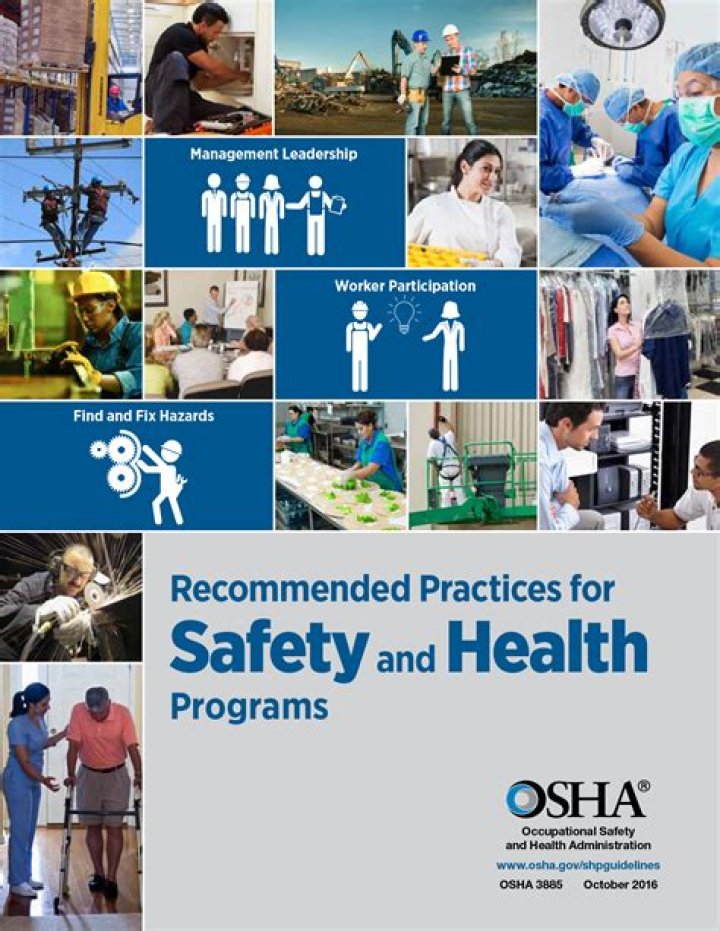
OSHA, or the Occupational Safety and Health Administration, is a crucial entity that plays a pivotal role in ensuring the safety and well-being of workers across the United States. Established under the Occupational Safety and Health Act of 1970, OSHA's primary mission is to prevent work-related injuries, illnesses, and deaths by setting and enforcing standards, providing training, and offering outreach programs. In today's fast-paced work environments, understanding OSHA is more important than ever.
Workplace safety is not just a recommendation; it is a necessity. Millions of workers in the U.S. rely on OSHA's regulations and guidelines to protect them from hazardous conditions. Whether you are an employer, employee, or safety professional, having a thorough understanding of OSHA's functions, responsibilities, and initiatives can help create safer workplaces and reduce the incidence of accidents.
This article aims to provide an in-depth exploration of OSHA, covering its history, key functions, compliance requirements, and the resources available to businesses and workers. By the end of this guide, you will have a comprehensive understanding of how OSHA works and why it is essential for maintaining a safe and healthy work environment.
Introduction to OSHA
OSHA is a federal agency within the U.S. Department of Labor that focuses on occupational safety and health. Its primary goal is to ensure that workers are protected from hazards in their work environments. OSHA achieves this through a combination of regulatory enforcement, educational outreach, and collaboration with employers.
Why OSHA Matters
OSHA matters because workplace safety directly impacts the health, productivity, and morale of employees. Unsafe working conditions can lead to severe injuries, long-term illnesses, and even fatalities. By establishing clear safety standards and ensuring compliance, OSHA helps reduce these risks, benefiting both workers and businesses.
The History of OSHA
OSHA was established in 1970 as part of the Occupational Safety and Health Act, signed into law by President Richard Nixon. This landmark legislation was created in response to growing concerns about workplace safety and the rising number of work-related accidents and fatalities.
Key Milestones in OSHA's History
- 1970: The Occupational Safety and Health Act is enacted, creating OSHA.
- 1971: OSHA begins operations, with the first set of safety standards issued.
- 1980s: OSHA expands its focus to include ergonomics and chemical exposure limits.
- 2000s: OSHA introduces new programs targeting construction safety and workplace violence.
Key Functions of OSHA
OSHA performs several critical functions to protect workers and promote safety in the workplace. These functions include setting safety standards, conducting inspections, and providing educational resources.
Setting Safety Standards
OSHA develops and enforces safety standards that cover a wide range of industries and hazards. These standards are designed to address specific risks, such as chemical exposure, machinery operation, and electrical safety.
OSHA Standards and Compliance
Compliance with OSHA standards is mandatory for all employers in the U.S. These standards cover general industry, construction, maritime, and agricultural sectors. Employers are required to adhere to these standards to ensure the safety of their workforce.
Types of OSHA Standards
- General Industry Standards: Covering workplace hazards common to most industries.
- Construction Standards: Addressing safety concerns specific to the construction industry.
- Maritime Standards: Focused on safety in maritime operations.
OSHA Enforcement and Inspection
OSHA enforces its standards through inspections and investigations. Inspectors visit workplaces to assess compliance and identify potential hazards. Employers found in violation of OSHA standards may face penalties and fines.
Inspection Priorities
OSHA inspections are prioritized based on the severity of potential hazards. High-hazard industries and workplaces with a history of violations are more likely to be inspected. Inspections can be triggered by complaints, accidents, or random selection.
OSHA Training Programs
OSHA offers a variety of training programs to educate employers and employees about workplace safety. These programs cover topics such as hazard recognition, safety management, and emergency preparedness.
Popular OSHA Training Courses
- OSHA 10-Hour Training: A basic safety course for entry-level workers.
- OSHA 30-Hour Training: An advanced course for supervisors and safety professionals.
Resources Available Through OSHA
OSHA provides numerous resources to help employers and employees improve workplace safety. These resources include guidelines, publications, and consultation services.
OSHA Consultation Services
OSHA's consultation services offer free, confidential assistance to small businesses. These services help employers identify and correct workplace hazards, ensuring compliance with OSHA standards.
OSHA Statistics and Impact
OSHA's efforts have significantly reduced workplace injuries and fatalities since its inception. According to OSHA statistics, workplace fatalities have decreased by more than 65% since 1970.
Key Statistics
- In 1970, there were approximately 38 worker deaths per day in the U.S.
- As of 2020, that number has decreased to around 12 worker deaths per day.
Challenges Facing OSHA
Despite its successes, OSHA faces several challenges in its mission to improve workplace safety. Limited resources, regulatory pushback, and emerging hazards pose ongoing challenges for the agency.
Emerging Hazards
As industries evolve, new hazards emerge that require OSHA's attention. These include risks associated with technology, climate change, and global health crises like the COVID-19 pandemic.
The Future of OSHA
The future of OSHA will likely involve continued adaptation to new challenges and technologies. Advances in automation, artificial intelligence, and remote work will require OSHA to update its standards and approaches to ensure worker safety in a rapidly changing landscape.
Innovations in Workplace Safety
OSHA is exploring innovative solutions to enhance workplace safety, such as wearable technology, virtual reality training, and data analytics. These tools can help identify and mitigate hazards more effectively, further reducing workplace injuries and fatalities.
Conclusion
OSHA plays a vital role in promoting workplace safety and protecting workers across the United States. Through its standards, enforcement, and educational programs, OSHA has made significant strides in reducing workplace hazards and improving worker well-being. Understanding OSHA's functions and requirements is essential for employers and employees alike.
We encourage you to take action by reviewing OSHA's resources, participating in training programs, and ensuring compliance with safety standards. Your commitment to workplace safety can make a significant difference in protecting workers and promoting a healthier work environment. Share this article with your colleagues and explore other resources on our site to stay informed about workplace safety best practices.
For more information, visit the official OSHA website, where you can find detailed guidelines, updates, and resources to support your safety efforts.