Exploring French Norman Surnames: A Deep Dive Into Their History and Significance
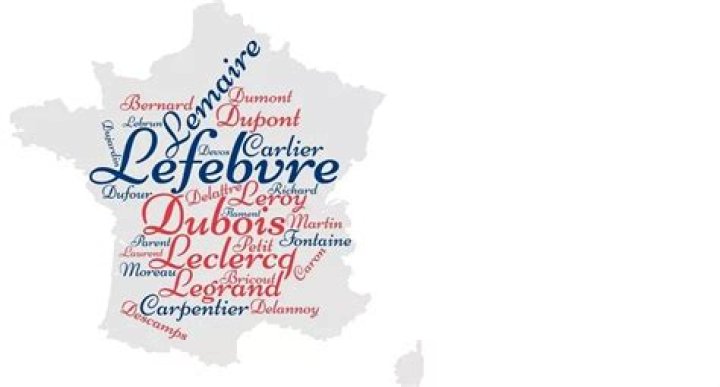
French Norman surnames represent a fascinating chapter in the history of European names, tracing their roots back to the Normans who profoundly influenced cultures across the continent. These surnames carry centuries of history, reflecting not only the linguistic evolution but also the social and political transformations that occurred in the regions they touched. Understanding their origins and significance provides a window into the past, helping us connect with our ancestors and appreciate the cultural richness they left behind.
The Normans, descendants of Viking settlers in northern France, played a pivotal role in shaping the naming conventions of the areas they conquered. Their influence stretched from England to Sicily, leaving an indelible mark on the surnames of these regions. This article delves deep into the world of French Norman surnames, exploring their origins, evolution, and the cultural significance they hold today.
Whether you're a genealogy enthusiast, a history lover, or simply curious about the names that shaped our world, this exploration of French Norman surnames offers valuable insights. Join us as we uncover the stories behind these names and their enduring legacy in modern times.
History of French Norman Surnames
Norman Conquests and Their Impact on Naming
The history of French Norman surnames is intrinsically linked to the Norman conquests that began in the 10th century. The Normans, originally Norsemen who settled in what is now Normandy, France, gradually assimilated into the local culture, adopting the French language and customs. However, they retained elements of their Norse heritage, which influenced the naming conventions of the regions they later conquered.
The Norman conquest of England in 1066 marked a significant turning point in the evolution of surnames. The Normans introduced new naming practices, blending their own traditions with those of the Anglo-Saxons. This fusion resulted in a rich tapestry of surnames that continue to shape English and French naming conventions to this day.
Origins and Influences
French Norman surnames originated from various sources, including patronymics, occupational names, and geographical indicators. The Normans often adopted surnames based on their father's name, their profession, or the place they hailed from. This practice was not unique to the Normans but was influenced by their Norse and French predecessors.
For instance, the surname "Fitzgerald" is derived from the Norman-French "Fitz," meaning "son of," combined with "Gerald," a given name. Similarly, "Le Roux" refers to someone with red hair, showcasing the descriptive nature of many Norman surnames.
Linguistic Evolution of French Norman Surnames
Changes Over Time
Over the centuries, French Norman surnames have undergone significant linguistic evolution. As the Normans spread across Europe, their names adapted to the local languages and dialects of the regions they settled in. This adaptation often resulted in variations of the same surname, making it challenging for genealogists to trace family lines.
For example, the surname "Devereux" in English has its roots in the Norman "De Ver" or "De Veres," reflecting the geographical origins of the family in the French region of Ver. Such adaptations highlight the dynamic nature of surnames and their ability to evolve with the times.
Types of French Norman Surnames
Patronymic Surnames
Patronymic surnames are among the most common types of French Norman surnames. These names are derived from the father's given name, often using suffixes like "-son" or "-fitz." Examples include "Williamson" and "Fitzgerald," both of which denote descent from a particular individual.
Occupational Surnames
Occupational surnames reflect the profession or trade of the individual who bore them. Names like "Carpenter" and "Smith" are direct translations of the French "Charpentier" and "Forgeron," indicating someone who worked with wood or metal, respectively.
Famous French Norman Surnames
Several French Norman surnames have gained prominence throughout history, associated with influential figures and noble families. Names like "D'Arcy," "Montgomery," and "Bohun" evoke images of medieval knights and powerful lords who shaped the course of European history.
Biographies of Notable Figures
Biography: William the Conqueror
Full Name: William the Conqueror
Birth Name: William of Normandy
Date of Birth: 1028
Place of Birth: Falaise, Normandy, France
Date of Death: September 9, 1087
Place of Death: Rouen, Normandy, France
| Attribute | Details |
|---|---|
| Occupation | Duke of Normandy, King of England |
| Spouse | Matilda of Flanders |
| Children | Robert Curthose, William II of England, Henry I of England, and others |
William the Conqueror, born William of Normandy, was a pivotal figure in the history of French Norman surnames. His conquest of England in 1066 not only established Norman rule but also introduced Norman naming conventions to the British Isles. His legacy endures in the many surnames that trace their origins to this period.
Genealogy and Tracing Your French Norman Roots
For those interested in tracing their French Norman roots, genealogy offers a rewarding journey into the past. By examining family records, parish registers, and historical documents, individuals can uncover the stories behind their surnames and connect with their Norman ancestors.
- Start by gathering family records and oral histories.
- Utilize online genealogy platforms like Ancestry.com and FamilySearch.org.
- Consult historical societies and archives for additional resources.
Modern Usage and Cultural Significance
In modern times, French Norman surnames continue to hold cultural significance, serving as a link to the past and a source of pride for those who bear them. These names are celebrated in literature, art, and popular culture, reminding us of the rich heritage they represent.
Researching French Norman Surnames
Researching French Norman surnames requires a combination of historical knowledge and investigative skills. Scholars and genealogists often rely on primary sources such as medieval manuscripts, census records, and church registers to piece together the stories behind these names.
Conclusion
French Norman surnames offer a fascinating glimpse into the past, revealing the complex interplay of history, language, and culture that shaped their development. From their origins in Normandy to their widespread adoption across Europe, these surnames continue to resonate with people today, connecting them to their ancestors and the rich tapestry of history they represent.
We invite you to explore your own family history and discover the stories behind your surname. Share your findings in the comments below, and consider exploring other articles on our site for more insights into the world of genealogy and history.