Exploring Microclimates in San Francisco: A Comprehensive Guide
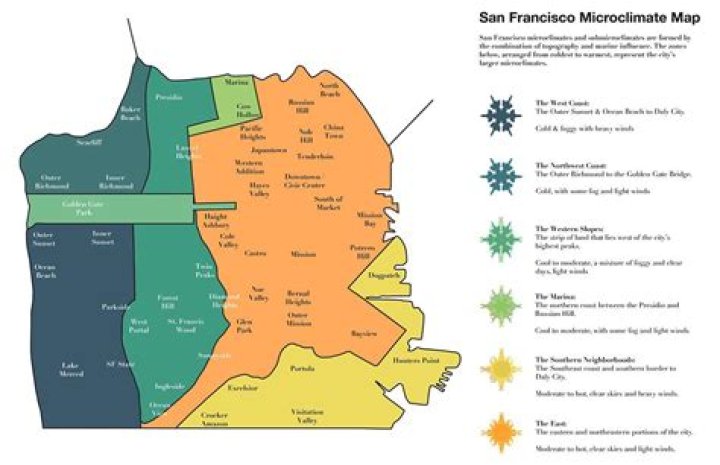
San Francisco, known for its unique microclimates, offers an intriguing blend of weather patterns that vary significantly from one neighborhood to another. While the city is renowned for its iconic landmarks like the Golden Gate Bridge and Alcatraz Island, its microclimates play a crucial role in shaping daily life for residents and visitors alike. Understanding these localized weather conditions can greatly enhance your experience of this vibrant city.
Microclimates refer to distinct weather conditions that occur within a small area, influenced by geographical features, proximity to water bodies, and urban development. In San Francisco, these variations are particularly pronounced due to the city's diverse topography and coastal location. Whether you're planning a visit or living in the city, knowing about microclimates can help you better prepare for the weather.
This guide aims to provide a detailed exploration of San Francisco's microclimates, offering insights into how they form, their impact on daily life, and practical tips for navigating them. By the end of this article, you'll have a comprehensive understanding of why San Francisco's weather is so unique and how to make the most of it.
What Are Microclimates?
Microclimates are localized atmospheric zones where the climate differs from the surrounding region. These zones are influenced by factors such as elevation, proximity to water, vegetation, and urban structures. In San Francisco, microclimates are a defining feature of the city's weather, with neighborhoods experiencing vastly different conditions despite being geographically close.
For instance, the western part of the city, near the Pacific Ocean, tends to be cooler and foggier due to the marine influence, while the eastern neighborhoods closer to the Bay Area enjoy warmer and sunnier weather. This variability makes San Francisco's weather one of its most distinctive characteristics.
How Do Microclimates Form?
Microclimates form due to a combination of natural and man-made factors. The topography of San Francisco, with its hills and valleys, plays a significant role in shaping these localized weather patterns. Additionally, the city's position between the Pacific Ocean and San Francisco Bay creates a unique set of climatic conditions that vary from one area to another.
- Topographical features such as hills and valleys.
- Proximity to large bodies of water like the Pacific Ocean and San Francisco Bay.
- Urban development, including buildings and concrete surfaces.
San Francisco's Unique Terrain and Its Role in Microclimates
San Francisco's terrain is marked by rolling hills and steep inclines, which significantly contribute to the formation of microclimates. The city's highest point, Mount Davidson, stands at 928 feet, while the lowest areas near the waterfront are at sea level. This varied topography creates distinct weather patterns across different neighborhoods.
For example, neighborhoods located on higher elevations, such as Twin Peaks, often experience cooler temperatures and stronger winds compared to those at lower elevations. Similarly, areas near the coast are more prone to fog and cooler temperatures due to the marine layer.
Key Geographical Features
Several geographical features in San Francisco play a crucial role in shaping its microclimates:
- Twin Peaks: A prominent hill in the center of the city that influences wind patterns and temperature variations.
- The Bay Bridge: Acts as a barrier for wind and fog, affecting the weather in nearby neighborhoods.
- Golden Gate Bridge: Marks the entrance to the San Francisco Bay and influences the movement of the marine layer.
Key Microclimate Areas in San Francisco
San Francisco is home to several distinct microclimate areas, each with its own unique weather characteristics. Understanding these areas can help you plan your activities and make the most of your time in the city.
Some of the key microclimate areas include:
- The Sunset District: Known for its foggy and cool weather, especially during the summer months.
- The Mission District: Offers warmer and sunnier conditions compared to other parts of the city.
- Pacific Heights: Experiences mild weather with occasional fog during the late afternoon.
Neighborhood-Specific Microclimates
Each neighborhood in San Francisco has its own microclimate, influenced by its location and surrounding features. For example:
- North Beach: Located near the Bay, this neighborhood enjoys warmer and sunnier weather compared to areas closer to the ocean.
- Haight-Ashbury: Situated inland, this area experiences less fog and cooler temperatures during the summer.
Weather Patterns and Their Effects
San Francisco's weather patterns are heavily influenced by its microclimates. The city experiences a Mediterranean climate, characterized by mild, wet winters and dry, foggy summers. However, the presence of microclimates adds complexity to these general patterns, creating a wide range of weather conditions across different neighborhoods.
During the summer months, the marine layer often blankets the western part of the city, bringing with it cool temperatures and dense fog. In contrast, neighborhoods on the eastern side of the city enjoy more sunshine and warmth.
Seasonal Variations
Seasonal changes in San Francisco are marked by shifts in weather patterns, with each season bringing its own set of microclimate characteristics:
- Spring: Mild temperatures and occasional rain showers.
- Summer: Foggy mornings and cool afternoons in coastal areas, with warmer conditions inland.
- Fall: Warmer temperatures and clearer skies, making it an ideal time for outdoor activities.
- Winter: Cooler temperatures and increased rainfall, with occasional storms.
Factors Influencing Microclimates in San Francisco
Several factors contribute to the formation and characteristics of microclimates in San Francisco. These include:
- Topography: Hills and valleys create variations in temperature and wind patterns.
- Proximity to Water: The Pacific Ocean and San Francisco Bay influence humidity levels and temperature.
- Urban Heat Island Effect: Concrete and asphalt surfaces in urban areas absorb and retain heat, affecting local temperatures.
Understanding these factors can help you better predict and prepare for the weather in different parts of the city.
Impact of Urbanization
Urban development has played a significant role in shaping San Francisco's microclimates. The construction of skyscrapers and other large structures has altered wind patterns and temperature distributions across the city. This phenomenon, known as the urban heat island effect, can lead to warmer temperatures in certain areas, particularly during the summer months.
Overview of Microclimates by Neighborhood
To provide a clearer picture of San Francisco's microclimates, here is an overview of some key neighborhoods and their weather characteristics:
1. The Marina District
This waterfront neighborhood experiences mild weather with occasional fog, making it an ideal location for outdoor activities.
2. The Richmond District
Known for its strong winds and cool temperatures, this area is often covered in fog during the summer months.
3. The Financial District
Located in the heart of the city, this area enjoys relatively stable weather conditions, with less fog and wind compared to coastal neighborhoods.
Seasonal Changes and Microclimates
Seasonal changes in San Francisco are closely tied to the city's microclimates. While the overall climate remains mild throughout the year, the presence of microclimates ensures that weather conditions vary significantly from one neighborhood to another.
For example, during the summer months, the western part of the city is often shrouded in fog, while the eastern neighborhoods enjoy sunny skies. In contrast, during the winter months, rainfall is more evenly distributed across the city, though coastal areas may experience stronger winds.
Planning for Seasonal Microclimates
When planning your visit to San Francisco, it's important to consider the seasonal microclimates in different neighborhoods. This can help you choose the best locations for outdoor activities and ensure you're adequately prepared for the weather.
Impact on Daily Life and Activities
San Francisco's microclimates have a significant impact on daily life and activities in the city. Residents and visitors alike must adapt to the varying weather conditions, especially when moving between neighborhoods. For example, someone heading from the foggy Sunset District to the sunny Mission District may need to adjust their clothing accordingly.
Businesses in the city also take microclimates into account, with outdoor cafes and restaurants often located in neighborhoods with more favorable weather conditions.
Practical Tips for Navigating Microclimates
Here are some practical tips for navigating San Francisco's microclimates:
- Check the weather forecast for specific neighborhoods before heading out.
- Layer your clothing to adapt to changing temperatures throughout the day.
- Carry a lightweight jacket or scarf, even on sunny days, as temperatures can drop quickly.
Tips for Preparing for San Francisco's Microclimates
Preparing for San Francisco's microclimates involves understanding the weather patterns in different neighborhoods and taking appropriate precautions. Whether you're a resident or a visitor, being prepared can enhance your experience of the city.
Some key tips include:
- Invest in weather-appropriate clothing, such as waterproof jackets and comfortable footwear.
- Use apps and websites that provide neighborhood-specific weather forecasts.
- Plan your activities based on the expected weather conditions in different areas.
Conclusion
San Francisco's microclimates are a defining feature of the city's weather, offering a fascinating glimpse into the interplay of geography, climate, and urban development. By understanding these localized weather patterns, you can better prepare for your time in the city and make the most of its diverse neighborhoods.
We encourage you to explore the various microclimates in San Francisco and share your experiences in the comments below. For more information on San Francisco's weather and other topics, be sure to check out our other articles. Happy exploring!
Source: National Oceanic and Atmospheric Administration (NOAA), San Francisco Weather Service