NAACP Founding Date: A Comprehensive Look into the Birth of a Legacy
The National Association for the Advancement of Colored People (NAACP) holds a significant place in American history as one of the most influential civil rights organizations. Its founding date marks the beginning of a movement dedicated to fighting for justice and equality for African Americans. Established in response to the alarming rise in racial discrimination and violence, the NAACP has been at the forefront of advocating for civil rights for over a century.
Understanding the NAACP's founding date and the circumstances surrounding its creation provides valuable insight into the organization's mission and its enduring impact on society. The story of the NAACP's inception is deeply rooted in the struggles and triumphs of those who sought to dismantle systemic racism.
This article delves into the history of the NAACP, exploring its origins, key figures, and milestones. By examining the significance of the NAACP founding date, we aim to shed light on the organization's enduring legacy and its continued relevance in today's world.
The History of the NAACP
The NAACP was born out of a dire need for social justice in early 20th-century America. The organization emerged as a response to the widespread racial discrimination and violence faced by African Americans. The catalyst for its creation was the horrific race riots in Springfield, Illinois, in 1908, which drew national attention to the injustices endured by Black communities.
Origins of the Movement
The NAACP's roots can be traced back to the Niagara Movement, a civil rights organization founded in 1905 by W.E.B. Du Bois and other prominent activists. Although the Niagara Movement laid the groundwork for future civil rights efforts, its limited resources and membership constrained its impact. The need for a more robust and inclusive organization became apparent, leading to the establishment of the NAACP.
Building Momentum
As the NAACP gained momentum, it attracted a diverse group of supporters, including both Black and White Americans who shared a common vision of equality. The organization's ability to unite individuals from different backgrounds was instrumental in its early success and laid the foundation for its enduring influence.
NAACP Founding Date
The official NAACP founding date is February 12, 1909. This date was chosen to coincide with the centennial of Abraham Lincoln's birth, a symbolic gesture honoring the president who had signed the Emancipation Proclamation. The founding of the NAACP marked a pivotal moment in the fight for civil rights, as it represented a formalized effort to combat racial injustice.
Significance of the Date
The choice of February 12 as the NAACP founding date was not arbitrary. By aligning the organization's inception with Lincoln's legacy, the founders aimed to emphasize the connection between the abolition of slavery and the ongoing struggle for civil rights. This date continues to serve as a reminder of the enduring fight for equality and justice.
Key Figures in NAACP's Formation
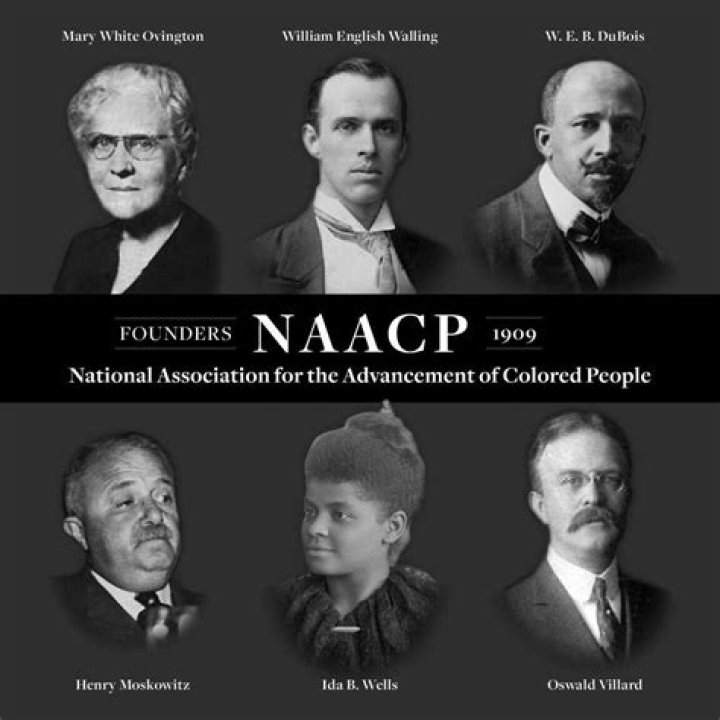
The NAACP's founding was the result of the collective efforts of several key figures who played pivotal roles in shaping the organization's mission and direction.
W.E.B. Du Bois
W.E.B. Du Bois, a renowned scholar and activist, was one of the principal architects of the NAACP. His intellectual contributions and leadership were instrumental in guiding the organization's early initiatives.
Mary White Ovington
Mary White Ovington, a White social worker and suffragist, was a co-founder of the NAACP. Her commitment to racial equality and her ability to bridge racial divides were crucial in building a diverse coalition of supporters.
Other Founding Members
- Ida B. Wells-Barnett: A journalist and anti-lynching crusader.
- Henry Moscowitz: A White businessman and philanthropist.
- William English Walling: A White labor reformer and socialist.
The Mission and Vision of NAACP
The mission of the NAACP is to ensure the political, educational, social, and economic equality of rights for all persons and to eliminate race-based discrimination. From its inception, the organization has been committed to achieving this mission through advocacy, litigation, and community engagement.
Vision for Equality
The NAACP envisions a world where all individuals are treated with dignity and respect, regardless of race or ethnicity. This vision drives the organization's efforts to dismantle systemic racism and promote social justice.
Major Milestones of NAACP
Throughout its history, the NAACP has achieved numerous milestones that have shaped the civil rights landscape in America.
Brown v. Board of Education
In 1954, the NAACP played a critical role in the landmark Supreme Court case Brown v. Board of Education, which declared racial segregation in public schools unconstitutional. This victory was a significant step toward desegregation and equality in education.
Voting Rights Act of 1965
The NAACP was instrumental in advocating for the Voting Rights Act of 1965, which aimed to eliminate barriers to voting for African Americans. This legislation was a major triumph in the fight for voting rights and representation.
Impact on Civil Rights Movement
The NAACP's influence on the civil rights movement cannot be overstated. Through its tireless advocacy and strategic litigation, the organization has been a driving force behind many of the movement's successes.
Legal Advocacy
The NAACP Legal Defense and Educational Fund has been at the forefront of legal battles aimed at dismantling racial discrimination. Its efforts have resulted in landmark victories that have reshaped American society.
Community Engagement
Beyond litigation, the NAACP has engaged communities through education, voter registration drives, and grassroots activism. These initiatives have empowered individuals to take action and effect change at the local level.
Challenges Faced by NAACP
Despite its successes, the NAACP has faced numerous challenges throughout its history. These challenges have tested the organization's resilience and adaptability.
Funding and Resources
Securing adequate funding and resources has been a persistent challenge for the NAACP. The organization has relied on the support of its members and donors to sustain its operations and initiatives.
Internal Conflicts
Like any large organization, the NAACP has experienced internal conflicts and disagreements over strategy and leadership. These challenges have required the organization to navigate complex dynamics while maintaining its focus on its mission.
NAACP's Role in Modern Society
In today's society, the NAACP continues to play a vital role in addressing issues of racial inequality and social justice. The organization has expanded its focus to include contemporary challenges such as police brutality, economic inequality, and environmental justice.
Advocacy in the Digital Age
The rise of digital technology has provided the NAACP with new tools for advocacy and engagement. Social media platforms and online campaigns have enabled the organization to reach a broader audience and amplify its message.
Criticisms and Controversies
As with any influential organization, the NAACP has faced criticisms and controversies over the years. These critiques have challenged the organization to reflect on its strategies and approaches.
Relevance and Representation
Some critics have questioned the NAACP's relevance in the modern era, arguing that the organization must adapt to changing demographics and social dynamics. Others have raised concerns about representation and inclusivity within the organization's leadership.
The Future of NAACP
Looking ahead, the NAACP remains committed to its mission of promoting equality and justice for all. The organization's ability to evolve and address emerging challenges will be crucial in ensuring its continued relevance and impact.
Strategic Initiatives
The NAACP has outlined several strategic initiatives aimed at tackling contemporary issues such as criminal justice reform, education equity, and economic empowerment. These initiatives reflect the organization's dedication to addressing the needs of marginalized communities.
In conclusion, the NAACP's founding date marks the beginning of a remarkable journey in the fight for civil rights. From its humble beginnings to its current status as a leading advocate for social justice, the organization has left an indelible mark on American history. As we reflect on its achievements and challenges, it is clear that the NAACP's mission remains as relevant today as it was over a century ago.
We invite you to share your thoughts and insights in the comments section below. Your feedback is invaluable in helping us understand the impact of the NAACP and its role in shaping a more just and equitable society. Additionally, feel free to explore other articles on our site that delve into related topics and provide further context on the civil rights movement.
Data Sources:
- NAACP Official Website
- Encyclopedia Britannica
- History.com