National Gallery of Art East Building: A Masterpiece of Modern Architecture
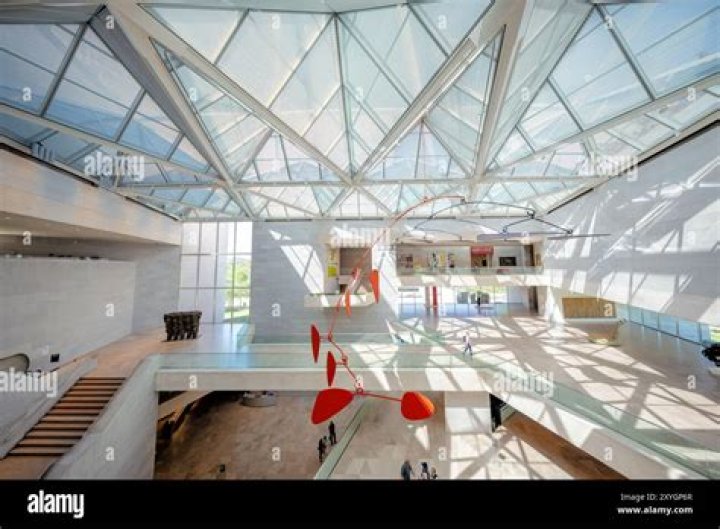
The National Gallery of Art East Building stands as a beacon of modern architectural brilliance in Washington, D.C. Designed by renowned architect I.M. Pei, this structure not only houses an impressive collection of modern art but also serves as a testament to innovative design and engineering. The building's unique geometry and materials have made it one of the most iconic landmarks in the nation's capital.
Since its completion in 1978, the East Building has become synonymous with contemporary art and architecture. It complements the original West Building, creating a harmonious blend of classical and modern aesthetics. The National Gallery of Art East Building attracts millions of visitors annually, offering an unparalleled experience of art and architecture.
For art enthusiasts and architecture lovers alike, the East Building represents a convergence of creativity and functionality. Its design addresses the complex challenges of housing diverse art collections while providing an inviting space for visitors. In this article, we will delve into the history, architecture, collections, and significance of this remarkable structure.
History of the National Gallery of Art East Building
The concept of the National Gallery of Art East Building emerged in the mid-20th century as a solution to accommodate the growing collection of modern art. The original West Building, completed in 1941, was designed by John Russell Pope and housed primarily classical art. However, the need for a dedicated space for modern and contemporary works became apparent as the collection expanded.
Origins and Vision
The idea of constructing a new building was proposed by Andrew W. Mellon's children, Paul Mellon and Ailsa Mellon Bruce, who were instrumental in establishing the National Gallery of Art. They envisioned a structure that would not only showcase modern art but also enhance the architectural landscape of the nation's capital.
After an extensive selection process, renowned architect I.M. Pei was chosen to design the East Building. His innovative approach and ability to integrate modern design with historical context made him the perfect candidate for this ambitious project.
Architecture and Design Features
The National Gallery of Art East Building is celebrated for its distinctive geometric design and use of materials. I.M. Pei's vision transformed the irregular trapezoidal site into a masterpiece of modern architecture.
Design Philosophy
- Pei divided the trapezoidal site into two triangles, creating a unique architectural form.
- The building's limestone façade complements the West Building, ensuring a cohesive aesthetic.
- Large glass skylights allow natural light to illuminate the galleries, enhancing the viewing experience.
The East Building's interior spaces are designed to provide flexibility for displaying diverse art forms, from sculptures to multimedia installations. The grand atrium serves as a central hub, connecting various galleries and offering breathtaking views of the surrounding landscape.
Art Collections and Exhibitions2>
The National Gallery of Art East Building is home to an extensive collection of modern and contemporary art. From iconic paintings to avant-garde sculptures, the building offers a comprehensive overview of 20th-century artistic movements.
Key Highlights
- Works by renowned artists such as Jackson Pollock, Mark Rothko, and Pablo Picasso.
- Extensive photography and video art collections.
- Rotating temporary exhibitions that explore emerging trends in contemporary art.
The East Building's commitment to showcasing diverse art forms ensures that visitors are exposed to a wide range of creative expressions. The gallery's educational programs further enhance the visitor experience by providing context and insights into the artworks on display.
Visitor Experience and Facilities
Visiting the National Gallery of Art East Building is an enriching experience that combines art appreciation with architectural wonder. The building offers a range of facilities designed to enhance visitor comfort and engagement.
Visitor Amenities
- Information desks and guided tours to assist visitors in navigating the galleries.
- Café and dining options for visitors to enjoy a meal or snack.
- Interactive digital displays that provide additional information about the artworks.
The East Building's commitment to accessibility ensures that all visitors, regardless of ability, can fully enjoy the exhibits. Elevators, ramps, and assistive listening devices are available to accommodate diverse needs.
Conservation Efforts
The preservation of art and architecture is a top priority for the National Gallery of Art. The East Building employs state-of-the-art conservation techniques to ensure the longevity of its collections.
Conservation Strategies
- Climate-controlled environments to protect artworks from temperature and humidity fluctuations.
- Regular maintenance of the building's structural integrity to address any wear and tear.
- Collaboration with international experts to develop innovative conservation methods.
By prioritizing conservation, the National Gallery of Art ensures that future generations can continue to appreciate the cultural treasures housed in the East Building.
Cultural and Architectural Impact
The National Gallery of Art East Building has had a profound impact on both the cultural and architectural landscapes of Washington, D.C. Its innovative design and commitment to modern art have set new standards for museum architecture worldwide.
Influence on Architecture
- Inspired a new generation of architects to experiment with geometric forms and materials.
- Established Washington, D.C., as a hub for modern architectural innovation.
- Received numerous awards and accolades for its groundbreaking design.
The East Building's influence extends beyond architecture, as it continues to inspire artists and designers to push the boundaries of creativity.
Biography of I.M. Pei
I.M. Pei, the architect behind the National Gallery of Art East Building, was a pioneer in modern architecture. His career spanned over six decades, during which he designed numerous iconic structures around the world.
| Full Name | Ieoh Ming Pei |
|---|---|
| Birthdate | April 26, 1917 |
| Place of Birth | Guangzhou, China |
| Education | Massachusetts Institute of Technology (MIT), Harvard Graduate School of Design |
| Notable Works | Louvre Pyramid, John F. Kennedy Presidential Library, Bank of China Tower |
Pei's legacy as an architect is defined by his ability to blend modern design with cultural sensitivity. His work continues to inspire architects and designers worldwide.
Challenges in Construction
The construction of the National Gallery of Art East Building presented numerous challenges, both technical and logistical. I.M. Pei and his team had to address complex issues related to the site's irregular shape and the need for a harmonious integration with the West Building.
Key Challenges
- Designing a structure that would complement the classical architecture of the West Building.
- Addressing the unique geometry of the trapezoidal site.
- Ensuring the building could accommodate diverse art forms while maintaining structural integrity.
Through innovative engineering solutions and meticulous planning, Pei and his team successfully overcame these challenges, resulting in a building that has stood the test of time.
Future Developments and Expansion Plans
As the National Gallery of Art continues to grow, plans for future developments and expansions are underway. The East Building remains central to these efforts, with ongoing initiatives aimed at enhancing the visitor experience and expanding the gallery's collections.
Upcoming Projects
- Renovation of existing galleries to accommodate new acquisitions.
- Development of digital platforms to provide virtual access to the collections.
- Collaboration with international institutions to host joint exhibitions and programs.
These projects underscore the National Gallery of Art's commitment to innovation and accessibility, ensuring that the East Building remains a vital cultural institution for years to come.
Conclusion and Final Thoughts
The National Gallery of Art East Building represents a triumph of modern architecture and a celebration of contemporary art. Designed by the visionary I.M. Pei, this structure has become an integral part of the cultural landscape of Washington, D.C. Its unique design, extensive collections, and commitment to conservation have made it a must-visit destination for art lovers and architecture enthusiasts alike.
We invite you to explore the East Building and experience the wonders it holds. Share your thoughts and experiences in the comments below, and don't forget to explore other articles on our website for more insights into the world of art and architecture. Together, let's celebrate the beauty and creativity that enrich our lives.