Pink Fairy Armadillo Animals: The World’s Smallest and Most Fascinating Armadillo
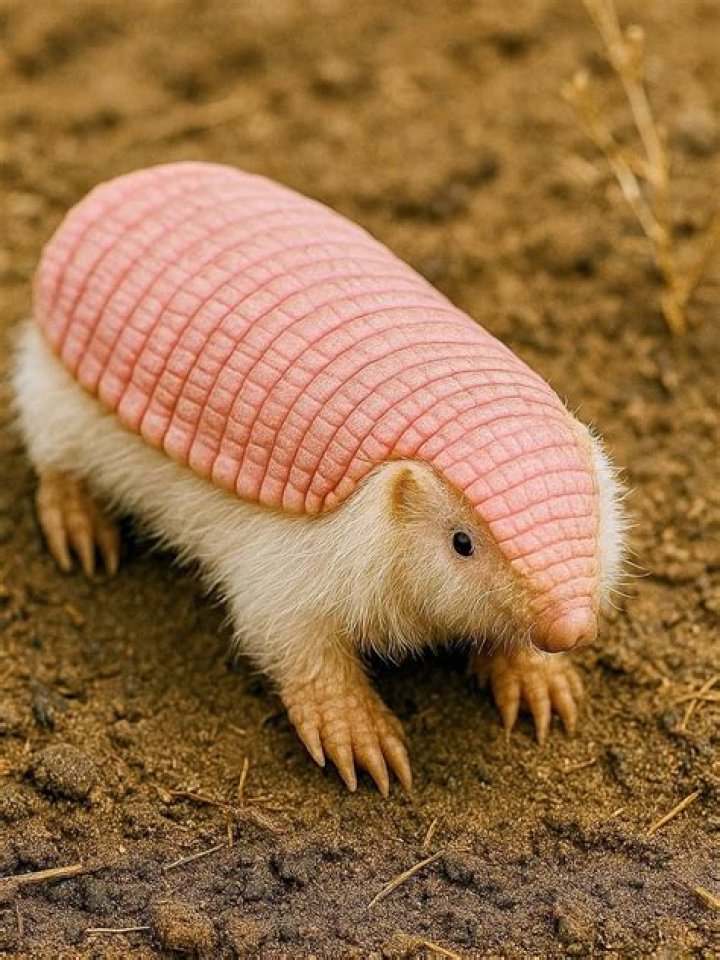
When you think of armadillos, the Pink Fairy Armadillo might not immediately come to mind. However, this tiny creature is a marvel of nature and one of the most unique animals on the planet. Known for its delicate pink armor and burrowing habits, the Pink Fairy Armadillo is a true wonder of the animal kingdom.
Pink Fairy Armadillos are not just adorable; they are also incredibly resilient and well-adapted to their environment. Native to the dry grasslands and sandy deserts of central Argentina, these animals have captivated scientists and animal enthusiasts alike with their distinctive features and elusive behavior.
In this article, we will delve into the fascinating world of the Pink Fairy Armadillo, exploring its biology, behavior, habitat, and conservation status. Whether you're an animal lover, a biology student, or simply curious about nature's wonders, this article will provide you with all the information you need to appreciate this incredible creature.
Biography of the Pink Fairy Armadillo
Data and Biodata
The Pink Fairy Armadillo (Chlamyphorus truncatus) is the smallest species of armadillo in the world, measuring just 3.5 to 4.5 inches in length. Below is a summary of its key characteristics:
| Scientific Name | Chlamyphorus truncatus |
|---|---|
| Common Name | Pink Fairy Armadillo |
| Family | Chlamyphoridae |
| Order | Cingulata |
| Class | Mammalia |
| Size | 3.5 to 4.5 inches |
| Weight | Approximately 4 ounces |
| Habitat | Sandy deserts and grasslands of central Argentina |
Physical Characteristics
The Pink Fairy Armadillo is a remarkable creature with a unique appearance. Its most distinctive feature is its pinkish armor, which gives it its name. This armor is made up of bony plates that protect the animal from predators and the harsh elements of its environment. The armor is flexible and allows the Pink Fairy Armadillo to move freely while burrowing in the sand.
In addition to its armor, the Pink Fairy Armadillo has several other adaptations that make it well-suited for its burrowing lifestyle. Its powerful forelimbs are equipped with large claws, which it uses to dig through the sand with incredible speed and efficiency. Its body is streamlined and covered in fine fur, which helps to keep sand out of its respiratory system.
Habitat and Distribution
Where Do Pink Fairy Armadillos Live?
Pink Fairy Armadillos are native to the dry grasslands and sandy deserts of central Argentina. They are primarily found in the provinces of San Luis, Mendoza, and Buenos Aires. These areas have loose, sandy soil, which is ideal for the armadillo's burrowing habits.
Due to their elusive nature and preference for burrowing, Pink Fairy Armadillos are rarely seen in the wild. They spend most of their time underground, emerging only at night to forage for food. This makes studying their behavior and habitat challenging for researchers.
Diet and Feeding Habits
The diet of the Pink Fairy Armadillo consists mainly of insects, larvae, and small invertebrates. They also feed on plant matter, such as roots and tubers, which they find while burrowing. Their powerful claws and keen sense of smell allow them to locate food buried deep in the sand.
- Primary Diet: Insects, larvae, and small invertebrates
- Secondary Diet: Roots and tubers
- Feeding Habits: Nocturnal foraging
Behavior and Social Structure
What Makes Pink Fairy Armadillos Unique?
Pink Fairy Armadillos are solitary animals and spend most of their lives alone. They are nocturnal, meaning they are active at night and rest during the day. Their burrowing behavior helps them avoid predators and extreme temperatures, making them well-adapted to their harsh desert environment.
Despite their solitary nature, Pink Fairy Armadillos have been observed engaging in limited social interactions during mating season. However, much about their social structure remains a mystery due to the difficulty of observing them in the wild.
Conservation Status
The Pink Fairy Armadillo is currently listed as "Data Deficient" on the IUCN Red List. This means that there is not enough information available to determine its conservation status accurately. However, due to habitat loss, human encroachment, and other threats, the population of Pink Fairy Armadillos is believed to be declining.
Efforts are being made to study and protect this elusive creature, but more research is needed to fully understand its needs and threats.
Threats to the Pink Fairy Armadillo
What Endangers the Pink Fairy Armadillo?
Pink Fairy Armadillos face several threats in the wild, including:
- Habitat loss due to agricultural expansion and urbanization
- Predation by domestic animals, such as dogs and cats
- Climate change affecting their desert habitat
- Capture for the illegal pet trade
Addressing these threats requires a combination of conservation efforts, public awareness campaigns, and scientific research.
Fun Facts About Pink Fairy Armadillos
Here are some interesting facts about the Pink Fairy Armadillo:
- It is the smallest species of armadillo in the world.
- Its pink armor is semi-transparent, allowing blood vessels to show through.
- It can completely submerge itself in sand, making it almost invisible to predators.
- It is sometimes referred to as the "sand-swimmer" due to its ability to move through sand like a fish through water.
Scientific Research and Studies
Scientific research on the Pink Fairy Armadillo is still in its early stages due to the difficulty of studying such an elusive creature. However, recent advances in technology, such as camera traps and DNA analysis, have provided valuable insights into their behavior and ecology.
Researchers are also working to understand the genetic diversity of Pink Fairy Armadillos and how it relates to their conservation status. This information is crucial for developing effective conservation strategies and ensuring the survival of this unique species.
Conclusion
In conclusion, the Pink Fairy Armadillo is a remarkable and fascinating creature that deserves our attention and protection. From its unique physical characteristics to its elusive behavior, this tiny armadillo is a true marvel of nature. By understanding its biology, habitat, and threats, we can work towards ensuring its survival for future generations.
We encourage you to share this article with your friends and family to raise awareness about the Pink Fairy Armadillo and its conservation needs. If you're interested in learning more about this incredible animal, consider supporting conservation organizations that focus on protecting endangered species and their habitats.
Thank you for reading, and don't forget to leave a comment or explore other articles on our website!
References:
- International Union for Conservation of Nature (IUCN). (2021). Chlamyphorus truncatus. Retrieved from https://www.iucnredlist.org
- Wilson, D.E., & Mittermeier, R.A. (2011). Handbook of the Mammals of the World: Volume 1. Lynx Edicions.
- Nowak, R.M. (1999). Walker's Mammals of the World. Johns Hopkins University Press.