The Fascinating History of the Golden Gate Bridge in San Francisco
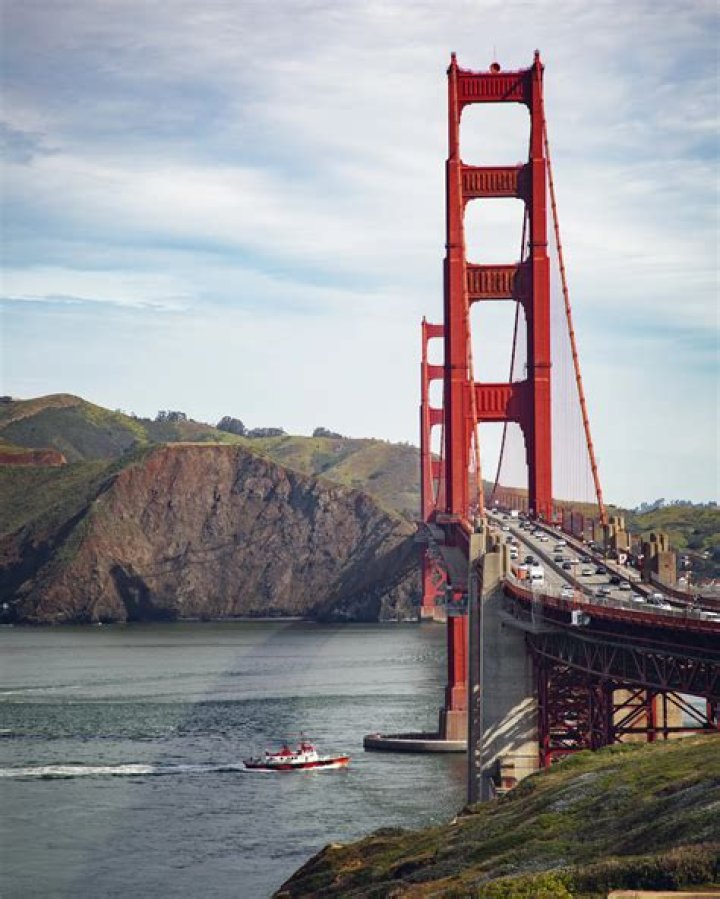
The Golden Gate Bridge in San Francisco is one of the most iconic landmarks in the world, drawing millions of visitors annually. Its majestic design and historical significance make it a symbol of human ingenuity and architectural brilliance. This bridge has stood as a testament to human determination and innovation since its construction in the early 20th century.
San Francisco's Golden Gate Bridge is not just a structure; it's a masterpiece of engineering and design that has become synonymous with the city's identity. Its vibrant orange color, which contrasts beautifully with the surrounding natural scenery, makes it a must-see destination for tourists and locals alike. But beyond its aesthetic appeal, the bridge's history is equally captivating.
From its conception to its completion, the story of the Golden Gate Bridge is filled with challenges, triumphs, and remarkable achievements. In this article, we will explore the rich history of this engineering marvel, including its origins, construction, and enduring legacy. Whether you're a history enthusiast, an architecture lover, or simply curious about this iconic landmark, this article will provide a comprehensive overview of the Golden Gate Bridge's storied past.
Origins of the Golden Gate Bridge
The idea for the Golden Gate Bridge dates back to the early 20th century, when San Francisco was rapidly growing as a major metropolitan city. Before the bridge's construction, the only way to cross the Golden Gate Strait, which separates San Francisco Bay from the Pacific Ocean, was by ferry. This made travel between San Francisco and Marin County both time-consuming and expensive.
In 1916, James Wilkins, a San Francisco-based engineer, proposed the idea of building a bridge across the Golden Gate Strait. However, many believed the project was impossible due to the strait's depth, strong currents, and frequent fog. Despite the skepticism, the dream of connecting the two regions persisted, leading to the eventual realization of the bridge.
Design and Planning
The design of the Golden Gate Bridge was entrusted to Joseph Strauss, a visionary engineer who played a pivotal role in bringing the project to life. Alongside other renowned architects and engineers like Irving Morrow and Charles Ellis, Strauss developed a suspension bridge design that would become an architectural masterpiece.
The Economic Impact
The construction of the Golden Gate Bridge had a profound economic impact on the region. It created thousands of jobs during the Great Depression, providing much-needed relief to workers and their families. Moreover, the bridge facilitated economic growth by improving transportation and connectivity between San Francisco and Marin County.
Construction Challenges
Building the Golden Gate Bridge was no easy feat. The construction process faced numerous challenges, including harsh weather conditions, treacherous waters, and engineering complexities. Workers had to contend with strong winds, dense fog, and the deep waters of the Golden Gate Strait, making the project one of the most daring engineering feats of its time.
- Strong currents posed a significant threat to construction workers.
- Harsh weather conditions, including frequent fog, slowed down the progress.
- Engineers had to innovate to ensure the bridge could withstand earthquakes and other natural disasters.
Completion of the Bridge
Despite the challenges, the Golden Gate Bridge was officially completed and opened to the public on May 27, 1937. The opening ceremony was a grand affair, attracting thousands of people who walked across the bridge to celebrate its completion. The bridge's total cost was approximately $35 million, a staggering sum at the time, but its economic and social benefits have far outweighed the initial investment.
Cultural Symbolism
The Golden Gate Bridge quickly became a cultural symbol of San Francisco and the United States. Its striking orange color, officially known as "International Orange," was chosen to complement the natural surroundings and enhance its visibility in the fog. The bridge's design and color have made it an enduring icon of beauty and strength.
Significance of the Golden Gate Bridge
The Golden Gate Bridge holds immense significance, both historically and culturally. It is not only a vital transportation link but also a testament to human ingenuity and perseverance. The bridge's construction during the Great Depression served as a beacon of hope and progress, inspiring generations to come.
Today, the Golden Gate Bridge is recognized as a National Historic Landmark and continues to attract millions of visitors each year. Its enduring legacy is a testament to the vision and dedication of those who brought it to life.
The Bridge in Modern-Day San Francisco
In the present day, the Golden Gate Bridge remains an integral part of San Francisco's identity. It serves as a crucial transportation artery, connecting the city to the northern counties and facilitating daily commutes for thousands of residents. Additionally, the bridge is a popular tourist attraction, offering breathtaking views of the bay and the surrounding landscape.
Engineering Innovations
The construction of the Golden Gate Bridge introduced several engineering innovations that have influenced bridge design worldwide. These innovations include the use of advanced materials, sophisticated construction techniques, and groundbreaking safety measures that have set new standards in the field of civil engineering.
Maintenance and Preservation
Maintaining the Golden Gate Bridge is a continuous effort that requires significant resources and expertise. The bridge undergoes regular inspections, repairs, and repainting to ensure its longevity and safety. The distinctive orange color of the bridge requires constant upkeep, with painters working year-round to maintain its vibrant appearance.
Safety Measures
Safety has always been a top priority in the management of the Golden Gate Bridge. Over the years, various safety measures have been implemented to protect both workers and visitors. These measures include the installation of nets to prevent accidents and the use of modern technology to monitor the bridge's structural integrity.
Key Statistics and Facts
Here are some key statistics and facts about the Golden Gate Bridge:
- Length: 8,981 feet (2,737 meters)
- Main Span: 4,200 feet (1,280 meters)
- Height above water: 746 feet (227 meters)
- Towers: 746 feet (227 meters) above water
- Steel used: Over 80,000 tons
Environmental Considerations
The preservation of the Golden Gate Bridge also involves environmental considerations. Efforts are made to minimize the bridge's impact on the surrounding ecosystem, including the protection of marine life and the reduction of carbon emissions during maintenance activities.
Interesting Facts
There are many interesting facts about the Golden Gate Bridge that make it even more fascinating:
- The bridge's color was originally intended to be a rust-red primer, but the orange hue was chosen for its aesthetic appeal.
- The Golden Gate Bridge is the second-longest suspension bridge in the United States, after the Verrazzano-Narrows Bridge in New York.
- During its construction, a safety net was installed beneath the bridge, saving the lives of 19 workers who became known as the "Halfway to Hell Club."
Future Plans
Looking ahead, the Golden Gate Bridge continues to evolve with ongoing plans for improvement and modernization. These plans include the installation of new lighting systems, the enhancement of visitor facilities, and the implementation of advanced technologies to ensure the bridge remains safe and functional for future generations.
Conclusion
The history of the Golden Gate Bridge in San Francisco is a remarkable story of human achievement and perseverance. From its origins as a visionary concept to its realization as an iconic landmark, the bridge has played a vital role in shaping the city's identity and fostering economic growth. Its enduring legacy is a testament to the ingenuity and dedication of those who brought it to life.
We invite you to explore more about this magnificent structure by visiting the bridge in person or reading further articles on our website. Don't forget to leave your thoughts and questions in the comments section below, and feel free to share this article with others who may appreciate the rich history of the Golden Gate Bridge. Together, let's celebrate the enduring legacy of one of the world's most iconic landmarks!