Understanding the Salvation Army Purpose: A Comprehensive Guide
The Salvation Army is a global Christian organization with a profound purpose rooted in faith, charity, and community service. Its mission is to meet human needs without discrimination, offering spiritual guidance, social services, and humanitarian aid worldwide. By exploring the Salvation Army's purpose, we uncover the organization's impact on millions of lives globally.
Founded in 19th-century London, the Salvation Army has grown into one of the world's largest charitable organizations. Its purpose extends beyond religious teachings, encompassing social justice, poverty alleviation, and disaster relief. This article dives deep into the Salvation Army's mission, structure, and contributions to society.
Through its extensive network of churches, social service centers, and disaster response units, the Salvation Army fulfills its purpose of transforming lives and communities. Understanding the organization's core values and objectives provides insight into its enduring legacy and global influence.
The History of the Salvation Army
Founding and Early Beginnings
The Salvation Army was founded in 1865 by William and Catherine Booth in London's East End. Initially known as the Christian Mission, the organization aimed to provide spiritual salvation and practical assistance to the city's poorest residents. The Booths believed that addressing both spiritual and material needs was essential for true transformation.
By 1878, the organization adopted its current name, the Salvation Army, reflecting its military-style structure and mission to "fight" against social injustice and spiritual despair. This rebranding marked a significant shift in its approach, emphasizing discipline, unity, and a clear purpose.
The early years were challenging, with the Salvation Army facing opposition from established churches and societal resistance. However, its commitment to helping the marginalized and disenfranchised earned it widespread support, enabling it to expand rapidly across the United Kingdom and internationally.
Mission Statement and Core Values
Defining the Salvation Army Purpose
The Salvation Army's mission statement encapsulates its purpose: "The Salvation Army, an international movement, is an evangelical part of the universal Christian Church. Its message is based on the Bible; its ministry is motivated by love for God and the needs of humanity."
This mission statement highlights the organization's dual focus on spiritual guidance and practical assistance. Core values include compassion, integrity, justice, stewardship, and celebration. These values guide all aspects of the Salvation Army's operations, ensuring alignment with its purpose.
Key principles underpinning the Salvation Army's purpose include:
- Meeting human needs without discrimination
- Advocating for social justice and equality
- Providing holistic care that addresses spiritual, emotional, and physical needs
Global Impact and Operations
International Reach and Structure
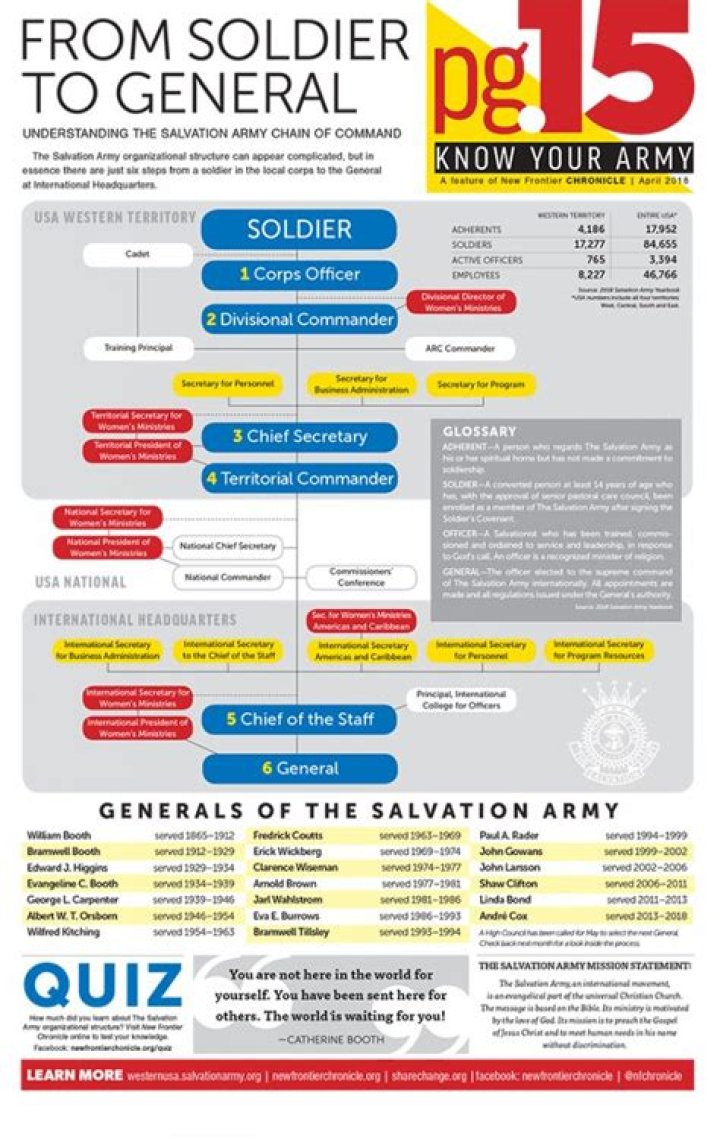
The Salvation Army operates in over 130 countries, making it one of the world's largest charitable organizations. Its global structure consists of territorial commands, each led by a territorial commander responsible for overseeing operations within a specific region.
Headquartered in London, the Salvation Army's international headquarters provides strategic direction and support to its global network. This centralized approach ensures consistency in mission fulfillment while allowing flexibility for local adaptation.
Data from the Salvation Army's 2022 annual report reveals:
- Over 1.7 million people served daily worldwide
- More than 100,000 active officers and employees
- Approximately 3.5 million volunteers contributing annually
Humanitarian Efforts and Disaster Relief
Responding to Crisis Situations
Disaster relief is a critical component of the Salvation Army's purpose. The organization maintains a dedicated disaster services division, equipped to respond rapidly to emergencies worldwide. Its trained personnel and resources enable effective intervention in crisis situations.
Notable examples of the Salvation Army's humanitarian efforts include:
- Providing aid during Hurricane Katrina in 2005
- Supporting communities affected by the 2010 Haiti earthquake
- Offering assistance during the 2020 Beirut explosion
The Salvation Army's disaster response model emphasizes preparedness, coordination with local authorities, and long-term recovery support. This approach ensures comprehensive assistance that addresses immediate needs while promoting sustainable development.
Community Support and Social Services
Addressing Local Needs
Community support forms the backbone of the Salvation Army's purpose. Through its network of social service centers, the organization provides essential services to vulnerable populations, including:
- Food banks and meal programs
- Housing assistance and shelter services
- Addiction rehabilitation programs
- Youth development initiatives
These services are tailored to meet specific community needs, reflecting the Salvation Army's commitment to localized solutions. Partnerships with local governments, businesses, and other organizations enhance the effectiveness of these programs.
Faith-Based Initiatives
Spiritual Guidance and Worship
As a faith-based organization, the Salvation Army integrates spiritual guidance into its mission fulfillment. Its churches, known as corps, serve as centers for worship, fellowship, and community engagement. Regular services, Bible studies, and outreach programs reinforce its purpose of spiritual salvation.
Key faith-based initiatives include:
- Youth ministry programs
- Prison chaplaincy services
- Family counseling and support
These programs emphasize the importance of faith in personal transformation and community development, aligning with the Salvation Army's overarching purpose.
Volunteering Opportunities and Involvement
Engaging with the Salvation Army
Volunteering plays a vital role in the Salvation Army's mission fulfillment. Opportunities for involvement range from direct service roles to administrative support, offering diverse ways to contribute to its purpose. Volunteers receive training and support to ensure effective participation.
Benefits of volunteering with the Salvation Army include:
- Personal growth and development
- Opportunities for skill enhancement
- Meaningful community engagement
Individuals interested in supporting the Salvation Army's purpose can explore various pathways for involvement, whether through formal volunteering or informal contributions.
Financing and Fundraising
Sustaining the Salvation Army's Purpose
Financial sustainability is crucial for the Salvation Army's mission fulfillment. Funding comes from a combination of donations, fundraising events, and revenue-generating activities. Transparency in financial management ensures resources are allocated effectively to support its purpose.
Key fundraising initiatives include:
- Annual Red Kettle Campaign
- Thrift store operations
- Corporate partnerships and grants
Donors and supporters play a vital role in sustaining the Salvation Army's operations, enabling it to continue fulfilling its purpose worldwide.
Challenges and Criticisms
Navigating Contemporary Issues
Like any large organization, the Salvation Army faces challenges and criticisms in fulfilling its purpose. Issues such as organizational structure, funding constraints, and public perception require ongoing attention. The organization addresses these challenges through strategic planning and adaptive management.
Efforts to improve inclusivity and diversity reflect the Salvation Army's commitment to evolving while maintaining its core purpose. Engaging with critics and stakeholders ensures continuous improvement and relevance in today's global context.
Future Directions and Growth
Expanding the Salvation Army's Purpose
Looking ahead, the Salvation Army aims to expand its reach and impact while staying true to its purpose. Strategic initiatives focus on:
- Enhancing digital capabilities for service delivery
- Strengthening partnerships with global organizations
- Innovating programs to address emerging social issues
By embracing change and leveraging technology, the Salvation Army positions itself for continued growth and success in fulfilling its purpose worldwide.
Conclusion
In summary, the Salvation Army's purpose encompasses spiritual guidance, social services, and humanitarian aid, impacting millions globally. Its history, mission, and operations demonstrate a commitment to transforming lives and communities through faith-based initiatives and practical assistance.
As you reflect on the Salvation Army's purpose, consider how you might contribute to its mission. Whether through volunteering, donating, or spreading awareness, your involvement can make a difference. We invite you to share your thoughts in the comments below, explore related articles, and join the conversation about the Salvation Army's enduring legacy and future directions.