What is a Web Browser? A Comprehensive Guide to Understanding and Choosing the Best
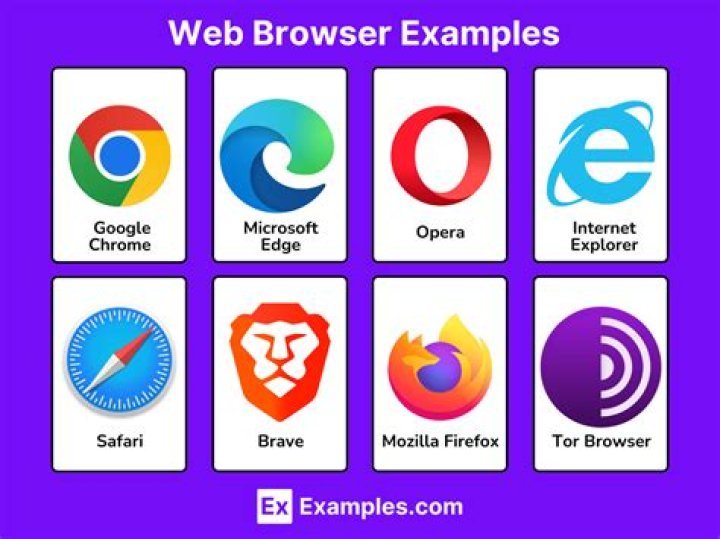
Understanding the concept of a web browser is essential in today's digital world. A web browser acts as the gateway to the internet, allowing users to access websites and navigate the vast online landscape. This article dives deep into the definition, functionality, and significance of web browsers, empowering you to make informed decisions about the tools you use daily.
In an era where the internet plays a pivotal role in our lives, knowing how web browsers work can significantly enhance your online experience. Whether you're browsing for information, shopping, or connecting with others, web browsers are indispensable tools that facilitate seamless internet access.
This article will explore everything you need to know about web browsers, including their history, features, and the factors to consider when selecting one. By the end of this guide, you'll have a comprehensive understanding of web browsers and their role in shaping our online interactions.
The History of Web Browsers
The evolution of web browsers is a fascinating journey that began in the early 1990s. The first web browser, WorldWideWeb, was created by Tim Berners-Lee in 1990, laying the foundation for modern browsing experiences. Over the years, numerous browsers have emerged, each contributing to the advancement of web technology.
Some notable milestones in the history of web browsers include the release of Mosaic in 1993, which popularized graphical web browsing, and Netscape Navigator in 1994, which dominated the market for several years. The introduction of Microsoft's Internet Explorer in 1995 marked the beginning of intense competition in the browser space.
Modern Era of Browsers
In the modern era, browsers like Google Chrome, Mozilla Firefox, Safari, and Microsoft Edge have become household names. These browsers continuously innovate, offering users improved speed, security, and features. Understanding the history of web browsers provides valuable context for appreciating their current capabilities.
What Exactly is a Web Browser?
A web browser is a software application that enables users to access and interact with websites on the internet. It retrieves, presents, and traverses web pages, allowing users to navigate hyperlinks and explore digital content. Web browsers interpret HTML, CSS, and JavaScript to render web pages visually appealing and functional.
Beyond basic navigation, web browsers also provide essential tools for managing bookmarks, extensions, and settings. They act as the primary interface between users and the internet, making them crucial for both personal and professional activities.
Key Functions of a Web Browser
- Retrieving web pages from servers
- Interpreting HTML, CSS, and JavaScript
- Rendering web content visually
- Facilitating navigation through hyperlinks
- Providing security and privacy features
Key Components of a Web Browser
Web browsers consist of several key components that work together to deliver a seamless browsing experience. These components include the user interface, rendering engine, browser engine, networking component, and JavaScript interpreter.
The user interface encompasses elements like the address bar, back/forward buttons, and bookmark manager, enabling users to interact with the browser. The rendering engine is responsible for displaying web pages by processing HTML and CSS. The browser engine bridges the user interface and rendering engine, ensuring smooth operation.
Networking and Security Components
The networking component handles communication with web servers, managing tasks like HTTP requests and responses. Meanwhile, the security component protects users from threats like malware and phishing attacks, ensuring a safe browsing environment.
Types of Web Browsers
There are various types of web browsers available, each catering to different user needs and preferences. The most popular browsers include Google Chrome, Mozilla Firefox, Apple Safari, and Microsoft Edge. Each browser offers unique features and advantages.
For example, Google Chrome is renowned for its speed and extensive extension library, while Mozilla Firefox emphasizes privacy and customization. Apple Safari provides a seamless experience for macOS users, and Microsoft Edge integrates well with Windows operating systems.
Alternative Browsers
Beyond the mainstream options, alternative browsers like Opera, Vivaldi, and Brave offer innovative features and niche functionalities. These browsers often focus on specific aspects like ad-blocking, resource efficiency, or user-friendly interfaces, appealing to specialized user groups.
Features to Look for in a Web Browser
When choosing a web browser, consider essential features that enhance usability and security. Key features include speed, compatibility, security, privacy, and customization options. A fast browser ensures quick page loading, while compatibility with various websites and plugins guarantees a smooth experience.
Security features like HTTPS encryption, phishing protection, and password management are crucial for safeguarding personal data. Privacy-conscious users should look for browsers offering tracking protection, ad-blocking, and private browsing modes. Customization options allow users to personalize their browsing experience with themes, extensions, and settings.
Advanced Features
- Tabbed browsing for multitasking
- Incognito mode for private sessions
- Syncing across devices for convenience
- Voice commands for hands-free navigation
Security Aspects of Web Browsers
Security is a top priority when using web browsers, as they handle sensitive information like login credentials and financial data. Modern browsers incorporate advanced security features to protect users from online threats. These features include sandboxing, which isolates web pages to prevent malicious code from affecting the system, and automatic updates to patch vulnerabilities.
Users should also practice safe browsing habits, such as avoiding suspicious links, keeping software up-to-date, and using strong, unique passwords. Additionally, enabling two-factor authentication and regularly clearing browser cache can enhance security further.
Emerging Security Technologies
New technologies like WebAssembly and secure DNS protocols are enhancing browser security. These innovations improve performance while maintaining robust protection against cyber threats. Staying informed about the latest security trends helps users make the most of their web browsers.
Performance Metrics for Web Browsers
Performance is a critical factor in selecting a web browser. Key metrics include speed, resource usage, and compatibility with modern web standards. A fast browser reduces waiting time for page loads, improving overall efficiency. Efficient resource usage ensures smooth operation on devices with limited processing power or memory.
Compatibility with modern web standards like HTML5, CSS3, and WebAssembly ensures optimal rendering of websites and web applications. Users should also consider browser performance on mobile devices, as mobile browsing continues to grow in popularity.
Optimizing Browser Performance
To optimize browser performance, users can clear cache and cookies regularly, disable unnecessary extensions, and update the browser to the latest version. Adjusting privacy settings and limiting background processes can also enhance performance, providing a smoother browsing experience.
Privacy Concerns and Web Browsers
Privacy is a growing concern in the digital age, with web browsers playing a pivotal role in protecting user data. Many browsers offer privacy-focused features like tracking protection, ad-blocking, and encrypted communication. These features help minimize data collection by third-party trackers and advertisers.
Users can enhance their privacy by enabling private browsing modes, managing cookies, and configuring browser settings to limit data sharing. Additionally, using a virtual private network (VPN) can provide an extra layer of privacy when accessing the internet.
Data Protection Regulations
Regulations like the General Data Protection Regulation (GDPR) and the California Consumer Privacy Act (CCPA) mandate transparency and user control over data collection practices. Web browsers must comply with these regulations, ensuring users have the right to access, modify, and delete their data.
Comparing Popular Web Browsers
Comparing popular web browsers can help users make informed decisions based on their needs and preferences. Below is a comparison of Google Chrome, Mozilla Firefox, Apple Safari, and Microsoft Edge:
| Browser | Speed | Security | Privacy | Customization |
|---|---|---|---|---|
| Google Chrome | High | Excellent | Good | High |
| Mozilla Firefox | Moderate | Excellent | Excellent | High |
| Apple Safari | High | Good | Good | Low |
| Microsoft Edge | High | Excellent | Good | High |
Choosing the Right Browser
Ultimately, the best web browser depends on individual preferences and requirements. Users should evaluate factors like speed, security, privacy, and customization to select a browser that aligns with their needs.
The Future of Web Browsers
The future of web browsers looks promising, with ongoing advancements in technology driving innovation. Emerging trends like artificial intelligence, augmented reality, and quantum computing are likely to influence browser development, offering users new and exciting possibilities.
As the internet continues to evolve, web browsers will play an increasingly vital role in shaping our digital experiences. Staying informed about the latest developments in browser technology ensures users can take full advantage of the ever-expanding online world.
Preparing for the Future
To prepare for the future of web browsers, users should remain adaptable, embracing new technologies and features as they become available. Regularly updating browsers, exploring new functionalities, and maintaining good browsing habits will help users navigate the evolving digital landscape with confidence.
Kesimpulan
In conclusion, understanding web browsers is essential for navigating the internet effectively and securely. This guide has explored the definition, history, components, types, and features of web browsers, providing valuable insights into their significance in our daily lives.
We encourage readers to share their thoughts and experiences in the comments section below. Feel free to explore other articles on our site to deepen your knowledge of digital tools and technologies. Together, let's embrace the future of web browsing and unlock its full potential!