When Does the Daylight Saving Time Begin and End? A Comprehensive Guide
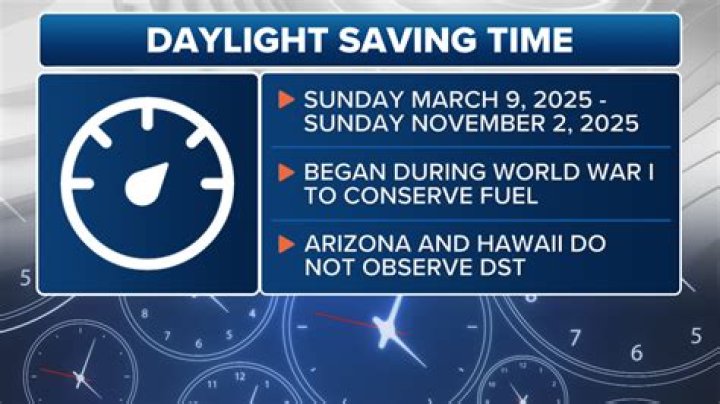
Daylight Saving Time (DST) is a practice that has been implemented in many countries around the world to make better use of daylight during the longer days of summer. By adjusting the clocks forward by one hour in the spring and back by one hour in the fall, we can maximize the amount of daylight available during typical waking hours. This practice has a variety of benefits, including energy savings, improved safety, and more time for outdoor activities.
Understanding when DST begins and ends is crucial for individuals, businesses, and organizations to ensure smooth transitions. Misalignment of clocks can lead to confusion, missed appointments, and even financial losses in some cases. As such, it's important to be aware of the dates and the reasons behind the changes.
In this article, we will delve into the history, purpose, and timing of Daylight Saving Time. We will also explore the effects of DST on health, productivity, and the environment. Whether you're looking for practical tips to prepare for the time changes or simply want to learn more about the concept, this guide will provide all the information you need.
The History of Daylight Saving Time
Daylight Saving Time has a long and fascinating history that dates back to the late 18th century. The concept was first proposed by Benjamin Franklin in 1784, who jokingly suggested that people could save money on candles by waking up earlier and making better use of natural daylight. However, it wasn't until the early 20th century that DST was officially implemented in several countries.
During World War I, Germany and Austria were the first to adopt DST in 1916 as a way to conserve coal. Other countries, including the United States and the United Kingdom, soon followed suit. After the war, the practice was discontinued in many places but was reintroduced during World War II to save energy.
Modern Adoption of DST
In the post-war era, the use of DST became more widespread. In the United States, the Uniform Time Act of 1966 standardized the start and end dates for DST. Since then, the rules have been adjusted several times, most recently in 2007, when the Energy Policy Act extended the duration of DST by several weeks.
The Purpose Behind Daylight Saving Time
The primary purpose of Daylight Saving Time is to make better use of daylight during the longer days of summer. By moving the clocks forward by one hour in the spring, people can enjoy more daylight in the evenings, which can lead to a variety of benefits. These include:
- Energy savings, as people tend to use less electricity for lighting and appliances during daylight hours.
- Improved safety, as having more daylight in the evenings can reduce the number of traffic accidents and crimes.
- More time for outdoor activities, such as sports, gardening, and socializing.
When Does Daylight Saving Time Start?
In most countries that observe DST, the clocks are moved forward by one hour in the spring. In the United States, DST starts on the second Sunday in March at 2:00 a.m. local time. This means that clocks are set forward by one hour, effectively "losing" an hour of sleep.
Why Is DST Implemented in the Spring?
The spring forward transition is designed to take advantage of the longer days that occur during the summer months. By moving the clocks forward, people can enjoy more daylight in the evenings, which can lead to energy savings and other benefits. However, the transition can also disrupt sleep patterns and cause temporary disruptions to daily routines.
When Does Daylight Saving Time End?
Daylight Saving Time ends in the fall when the clocks are moved back by one hour. In the United States, this occurs on the first Sunday in November at 2:00 a.m. local time. By setting the clocks back, people gain an extra hour of sleep, which can help them adjust to the shorter days of winter.
Why Is DST Reversed in the Fall?
The fall back transition is designed to prepare people for the shorter days and longer nights of winter. By moving the clocks back, people can enjoy more daylight in the mornings, which can help regulate their sleep schedules and improve their overall well-being.
Countries That Observe Daylight Saving Time
Daylight Saving Time is observed in many countries around the world, but the rules and timing can vary significantly. In the Northern Hemisphere, most countries start DST in the spring and end it in the fall. In the Southern Hemisphere, the opposite is true, with DST starting in the fall and ending in the spring.
Exceptions to DST
Not all countries observe DST. Some countries, such as Japan, India, and China, have never implemented the practice. Others, such as parts of the United States (e.g., Arizona and Hawaii), have opted out of DST due to local preferences or practical considerations.
The Effects of Daylight Saving Time
While Daylight Saving Time has many benefits, it can also have negative effects on health, productivity, and the environment. The transitions in the spring and fall can disrupt sleep patterns, leading to fatigue, irritability, and decreased performance. Studies have shown that the risk of heart attacks, strokes, and workplace accidents increases in the days following the spring forward transition.
Health Impacts of DST
Daylight Saving Time can have a significant impact on mental and physical health. The disruption to sleep patterns can lead to insomnia, mood swings, and cognitive impairment. Additionally, the reduced exposure to natural light during the winter months can contribute to seasonal affective disorder (SAD), a type of depression that is linked to the changing seasons.
Benefits of Daylight Saving Time
Despite the challenges, Daylight Saving Time offers a variety of benefits that make it worthwhile for many people. These include:
- Energy savings, as people use less electricity for lighting and appliances during daylight hours.
- Improved safety, as having more daylight in the evenings can reduce the number of traffic accidents and crimes.
- More time for outdoor activities, such as sports, gardening, and socializing.
Criticisms and Controversies Surrounding DST
Daylight Saving Time has been the subject of debate for many years. Critics argue that the energy savings are negligible and that the health and economic costs outweigh the benefits. They also point out that modern technology and lifestyles have reduced the need for DST, as people no longer rely on natural light to the same extent as they did in the past.
Proposals to Abolish DST
In recent years, several countries and regions have considered abolishing Daylight Saving Time altogether. For example, the European Union has proposed ending DST in favor of a permanent standard time or summer time. Similarly, several U.S. states have introduced legislation to adopt permanent DST, although federal approval is still required for these changes to take effect.
Tips for Adjusting to Daylight Saving Time
Adjusting to the time changes associated with Daylight Saving Time can be challenging, but there are several strategies that can help. These include:
- Gradually shifting your sleep schedule by going to bed and waking up 15-30 minutes earlier or later in the days leading up to the transition.
- Exposing yourself to natural light during the day and avoiding bright screens in the evening to regulate your circadian rhythm.
- Staying hydrated and eating a balanced diet to support your overall health and well-being.
The Future of Daylight Saving Time
The future of Daylight Saving Time remains uncertain, as countries and regions continue to weigh the pros and cons of the practice. While some argue that DST is outdated and unnecessary, others believe that it still offers important benefits. Ultimately, the decision to continue or abolish DST will depend on the priorities and preferences of each individual community.
Potential Changes to DST
As technology and lifestyles continue to evolve, it's possible that Daylight Saving Time will undergo further changes in the coming years. For example, advances in energy efficiency and renewable energy may reduce the need for DST as a means of conserving resources. Additionally, increasing awareness of the health effects of sleep disruptions may lead to new approaches for managing the transitions.
Conclusion
Daylight Saving Time is a practice that has both benefits and challenges. By understanding its history, purpose, and effects, we can make informed decisions about how to adapt to the time changes and maximize their potential benefits. Whether you're looking forward to longer evenings or dreading the disruption to your sleep schedule, remember that preparation and awareness are key to a smooth transition.
We invite you to share your thoughts and experiences with Daylight Saving Time in the comments below. Do you think DST is still relevant in today's world, or is it time to abolish the practice altogether? Let us know what you think, and don't forget to check out our other articles for more insights and information!