Where Was the Marine Corps Established: A Comprehensive Historical Guide
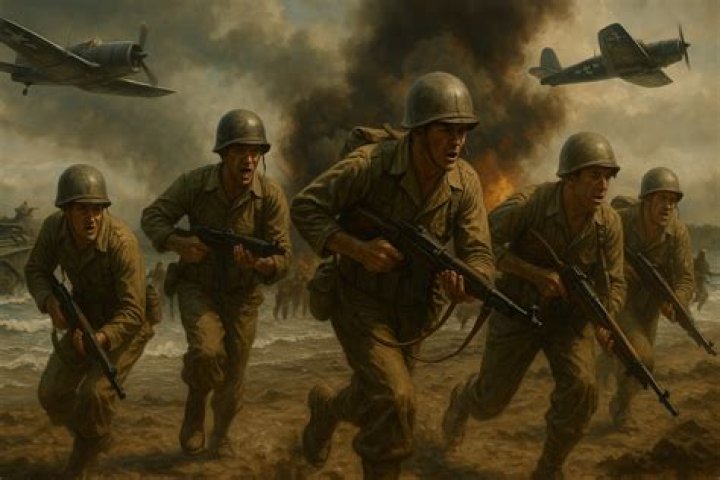
The Marine Corps, one of the most prestigious branches of the United States military, has a storied history that dates back centuries. Understanding where the Marine Corps was established is essential to appreciating its rich legacy and contributions to national security. This article delves into the origins of the Marine Corps, exploring the historical events and milestones that shaped its formation.
As a branch of the U.S. military, the Marine Corps has played a critical role in countless operations, from land battles to amphibious assaults. Its establishment marked the beginning of a proud tradition of service, discipline, and excellence. By tracing its origins, we gain insight into the core values that define the Marine Corps today.
This article will take you on a journey through history, examining the origins, key figures, and pivotal moments that shaped the Marine Corps. Whether you're a history enthusiast or simply curious about this iconic military branch, you'll find detailed insights and answers to the question: where was the Marine Corps established?
Where Was the Marine Corps Established?
The Marine Corps was officially established on November 10, 1775, in Philadelphia, Pennsylvania. This historic event took place at Tun Tavern, a popular meeting place for colonial leaders and military strategists. The tavern served as the recruitment headquarters for the Continental Marines, the precursor to the modern-day U.S. Marine Corps.
Under the leadership of Samuel Nicholas, the first commissioned officer of the Continental Marines, the Corps began its journey as a vital component of the American military. Tun Tavern became the birthplace of the Marine Corps, marking the beginning of a legacy that continues to inspire generations of Marines.
Why Philadelphia? At the time, Philadelphia was the heart of the American Revolution, serving as the meeting place for the Continental Congress. The decision to establish the Marine Corps in this city reflected its strategic importance and the need for a naval infantry force to support the Continental Navy.
Significance of Tun Tavern
Tun Tavern holds a special place in Marine Corps history. It was not only the site of the Corps' establishment but also a symbol of the values that define Marines today: courage, commitment, and teamwork. Below are some key points about Tun Tavern:
- Tun Tavern was chosen for its central location and accessibility.
- It served as a recruitment center and meeting point for early Marines.
- The tavern's legacy lives on through Marine Corps traditions and commemorations.
A Brief History of the Marine Corps
The Marine Corps has a storied history that spans over two centuries. From its humble beginnings in Philadelphia to its role in modern warfare, the Corps has consistently demonstrated its ability to adapt and excel in diverse environments. Understanding the history of the Marine Corps provides context for its enduring relevance in today's military landscape.
Throughout its history, the Marine Corps has participated in numerous conflicts, including the American Revolutionary War, the War of 1812, World War I, World War II, the Korean War, the Vietnam War, and the War on Terror. Each conflict has left an indelible mark on the Corps, shaping its identity and mission.
Key Milestones in Marine Corps History
Below are some of the most significant milestones in the history of the Marine Corps:
- 1775: The Marine Corps is established at Tun Tavern in Philadelphia.
- 1805: Marines play a pivotal role in the Battle of Derna during the First Barbary War.
- 1918: Marines distinguish themselves in the Battle of Belleau Wood during World War I.
- 1942: Marines lead the charge in the Battle of Guadalcanal during World War II.
Key Figures in Marine Corps History
The Marine Corps owes much of its success to the leadership and bravery of its members. Over the years, numerous individuals have left a lasting impact on the Corps. Below are some of the most notable figures in Marine Corps history:
Samuel Nicholas
Samuel Nicholas is widely regarded as the father of the Marine Corps. As the first commissioned officer of the Continental Marines, he played a crucial role in establishing the Corps and recruiting its early members.
Chesty Puller
Lewis B. "Chesty" Puller is one of the most decorated Marines in history. Known for his leadership and courage in combat, Puller earned five Navy Crosses and numerous other awards during his career.
Evolution of Marine Corps Tactics
The Marine Corps has always been at the forefront of military innovation. From its early days as a naval infantry force to its modern role as a rapid response unit, the Corps has continuously evolved its tactics to meet the demands of changing warfare.
One of the defining characteristics of the Marine Corps is its emphasis on amphibious operations. This focus dates back to the Corps' origins and remains a cornerstone of its mission today. By combining naval and land-based capabilities, Marines are able to deploy quickly and effectively in a variety of environments.
Modern Tactical Innovations
In recent years, the Marine Corps has embraced new technologies and strategies to enhance its capabilities. Some of these innovations include:
- Unmanned aerial vehicles (UAVs) for reconnaissance and surveillance.
- Advanced communication systems for improved coordination in the field.
- New weaponry and equipment designed for modern warfare.
Marine Corps Training and Development
Training is at the heart of the Marine Corps' success. From boot camp to specialized courses, Marines undergo rigorous training to prepare them for the challenges of military service. This training emphasizes physical fitness, mental toughness, and teamwork, instilling the values that define the Corps.
Boot camp, officially known as recruit training, is the first step in a Marine's journey. Lasting approximately 13 weeks, this intense program tests recruits' physical and mental limits while teaching them the fundamentals of military life.
Specialized Training Programs
After completing boot camp, Marines may pursue specialized training in areas such as:
- Combat marksmanship.
- Amphibious assault techniques.
- Leadership development.
Marine Corps Contributions to National Security
The Marine Corps plays a vital role in ensuring national security. As a rapid response force, it is often the first to deploy in times of crisis, providing critical support to military operations around the world. From humanitarian missions to combat deployments, Marines are prepared to meet any challenge head-on.
In addition to its military contributions, the Marine Corps also supports disaster relief efforts and humanitarian aid missions. These efforts demonstrate the Corps' commitment to serving both the nation and the global community.
Examples of Marine Corps Contributions
Some notable examples of Marine Corps contributions to national security include:
- The liberation of Kuwait during the Gulf War.
- Humanitarian aid efforts following the 2004 Indian Ocean earthquake and tsunami.
- Counterterrorism operations in Afghanistan and Iraq.
Traditions and Core Values of the Marine Corps
Tradition and core values are central to the identity of the Marine Corps. These principles guide Marines in their personal and professional lives, shaping their behavior and decision-making. The three core values of the Marine Corps are honor, courage, and commitment.
Honor represents the integrity and moral character of Marines. Courage embodies their willingness to face danger and adversity. Commitment reflects their dedication to the mission and their fellow Marines.
Marine Corps Traditions
Some of the most cherished traditions of the Marine Corps include:
- The Marine Corps Birthday Ball, celebrated annually on November 10th.
- The ringing of the Freedom Bell at Marine Corps installations.
- The use of the "Semper Fidelis" motto, which means "always faithful."
The Modern Role of the Marine Corps
In today's rapidly changing world, the Marine Corps continues to adapt to new challenges and threats. As a force-in-readiness, it remains prepared to deploy at a moment's notice, providing critical support to military operations and humanitarian missions alike.
The modern Marine Corps is characterized by its emphasis on innovation, technology, and collaboration. By leveraging cutting-edge tools and fostering partnerships with other branches of the military, the Corps ensures its continued relevance and effectiveness in the 21st century.
Key Areas of Focus
Some of the key areas of focus for the modern Marine Corps include:
- Cybersecurity and information warfare.
- Amphibious operations in contested environments.
- Partnerships with allies and coalition forces.
Important Statistics About the Marine Corps
Below are some important statistics that highlight the size, scope, and impact of the Marine Corps:
- Approximately 186,000 active-duty Marines serve in the Corps.
- The Marine Corps operates over 300 aircraft and numerous naval vessels.
- Marines have participated in over 300 conflicts since its establishment in 1775.
The Future of the Marine Corps
Looking ahead, the Marine Corps is poised to continue its legacy of excellence and innovation. As new challenges and opportunities emerge, the Corps will remain committed to its core values and mission of protecting the nation and its interests.
Through ongoing investments in technology, training, and partnerships, the Marine Corps will ensure its readiness to face the challenges of tomorrow. The future of the Marine Corps is bright, with countless opportunities for growth and development.
Preparing for the Future
To prepare for the future, the Marine Corps is focusing on:
- Enhancing cyber capabilities and digital transformation.
- Expanding partnerships with allies and coalition forces.
- Investing in new technologies and equipment.
Kesimpulan
In conclusion, the Marine Corps' establishment in Philadelphia at Tun Tavern marked the beginning of a proud tradition of service and excellence. From its origins as a naval infantry force to its modern role as a rapid response unit, the Corps has consistently demonstrated its ability to adapt and thrive in diverse environments.
As we've explored in this article, the Marine Corps' history, key figures, tactics, training, and contributions to national security all contribute to its enduring legacy. By understanding the Corps' rich history and core values, we gain a deeper appreciation for its importance in safeguarding our nation.
We invite you to share your thoughts and insights in the comments below. Have you ever visited Tun Tavern or participated in a Marine Corps event? Let us know! And don't forget to explore other articles on our site for more fascinating content.